Marine Hull Insurance vs P&I: What Is the Difference?
If you own or run a vessel in Nigeria, hull cover and P&I cover solve different problems. Here is a plain explanation of what each one actually protects.
Nigeria has a growing fleet of tugs, barges, fishing trawlers, houseboats, speedboats and support vessels working the coast, the creeks and the inland waterways. Whether you own one boat or run a small fleet for logistics, oil and gas support, or passenger transport, two types of marine cover matter a great deal, and people often confuse them. Marine hull insurance and Protection and Indemnity, known as P&I, sound similar but they cover completely different risks. Understanding the difference can save your business from a gap that only shows up after something has already gone wrong.
What marine hull insurance actually covers
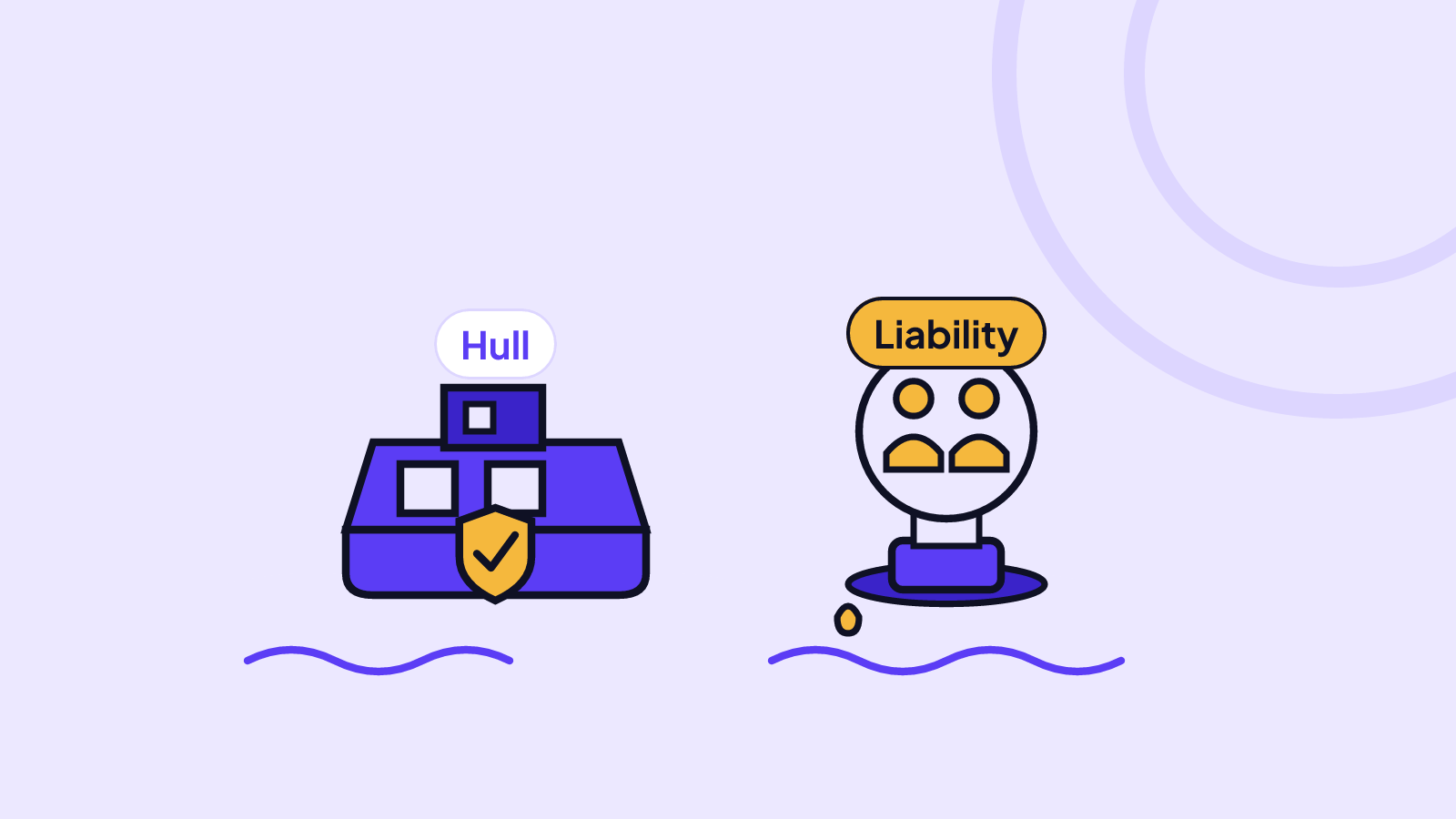
Think of hull insurance as cover for the vessel itself, the physical asset. If your boat runs aground, collides with another vessel, catches fire, takes on water in a storm, or is damaged by machinery breakdown, hull insurance is what pays to repair or replace it.
Hull cover typically responds to:
- Physical damage to the hull, engine, and fitted machinery
- Total loss, for example if the vessel sinks or is damaged beyond economic repair
- Damage from storms, grounding, fire, or collision
- Salvage costs in some policies, to recover a stricken vessel
This is asset protection. It exists because a vessel is a large, expensive, and often irreplaceable investment, and like a building or a generator, it needs its own value kept current. A vessel bought or built years ago may cost significantly more to replace today, especially with import costs and naira movements pushing up prices on parts, engines and marine-grade materials. If the sum insured on your hull policy has not been reviewed in a while, you may be underinsured without realising it, and the average clause can reduce your payout proportionally if a claim shows the vessel was insured for less than its real replacement value. This is the same principle covered in general terms on /resources/the-average-clause-explained.
What P&I actually covers
P&I is a different animal entirely. It does not cover the boat, it covers your liability to others because of the boat.
If your vessel is involved in an incident that causes:
- Injury or death of crew, passengers, or third parties
- Damage to cargo you were carrying
- Pollution, for example a fuel or oil spill
- Damage to docks, other vessels, or fixed structures
- Wreck removal costs after an accident
P&I is what responds. It is essentially liability cover for anything the vessel's operation does to people or property outside the vessel itself. For any commercial operation, whether you are ferrying passengers, moving cargo, or supporting offshore work, this is often the more financially dangerous exposure, because liability claims from injury or pollution can be far larger and less predictable than hull repair costs.
Why you generally need both, not one or the other
Hull and P&I are not substitutes for each other, they are complementary. A vessel with only hull cover is protected if it sinks, but the owner is personally exposed if that same incident injures a passenger or spills fuel into the water. A vessel with only P&I is protected against third-party claims, but the owner has to fund hull repairs or a full replacement out of pocket if there is an accident.
Most serious marine operators in Nigeria, and most charter or hire agreements, will expect to see evidence of both. If you are running any kind of commercial vessel, whether small scale or as part of a logistics business, treating hull and P&I as a single decision rather than two separate ones is the safer approach.
How this connects to keeping records straight
Just as with any other high value asset, documentation matters enormously when something goes wrong. Keep records of the vessel's build or purchase details, engine specifications, survey reports, maintenance history and photographs. If a claim arises, whether hull damage or a liability incident, underwriters will want proof of the vessel's condition and value, similar to how a home claim needs receipts and serial numbers, as explained on /resources/why-receipts-matter-and-how-to-prove-ownership-after-a-loss.
Getting the sums insured right
Because vessels, engines and marine parts are frequently priced against import costs, replacement value can shift more than people expect. A hull sum insured set two or three years ago may already sit below what a genuine replacement or repair would cost today. Reviewing this regularly, alongside professional survey valuations where appropriate, keeps your cover meaningful rather than symbolic.
Where VaultCova fits in
VaultCova is not an insurer, and marine hull and P&I cover is arranged through licensed underwriters who carry the actual risk. What VaultCova does is help you log the vessel and its supporting documents in one place, keep the recorded value current, and make it simple to move from tracking what you own to insuring it properly when you are ready. There is no pressure to buy anything the moment you start.
If you own or operate a vessel, start a vault, add the details while they are fresh in your mind, and talk to Cova when you want to understand your options for hull and P&I cover together.