HMO vs Personal Accident Insurance: What Is the Difference?
An HMO plan pays for your healthcare at network hospitals, while personal accident insurance pays set benefits after an accident. Learn what each covers, where they overlap and when you may need both.
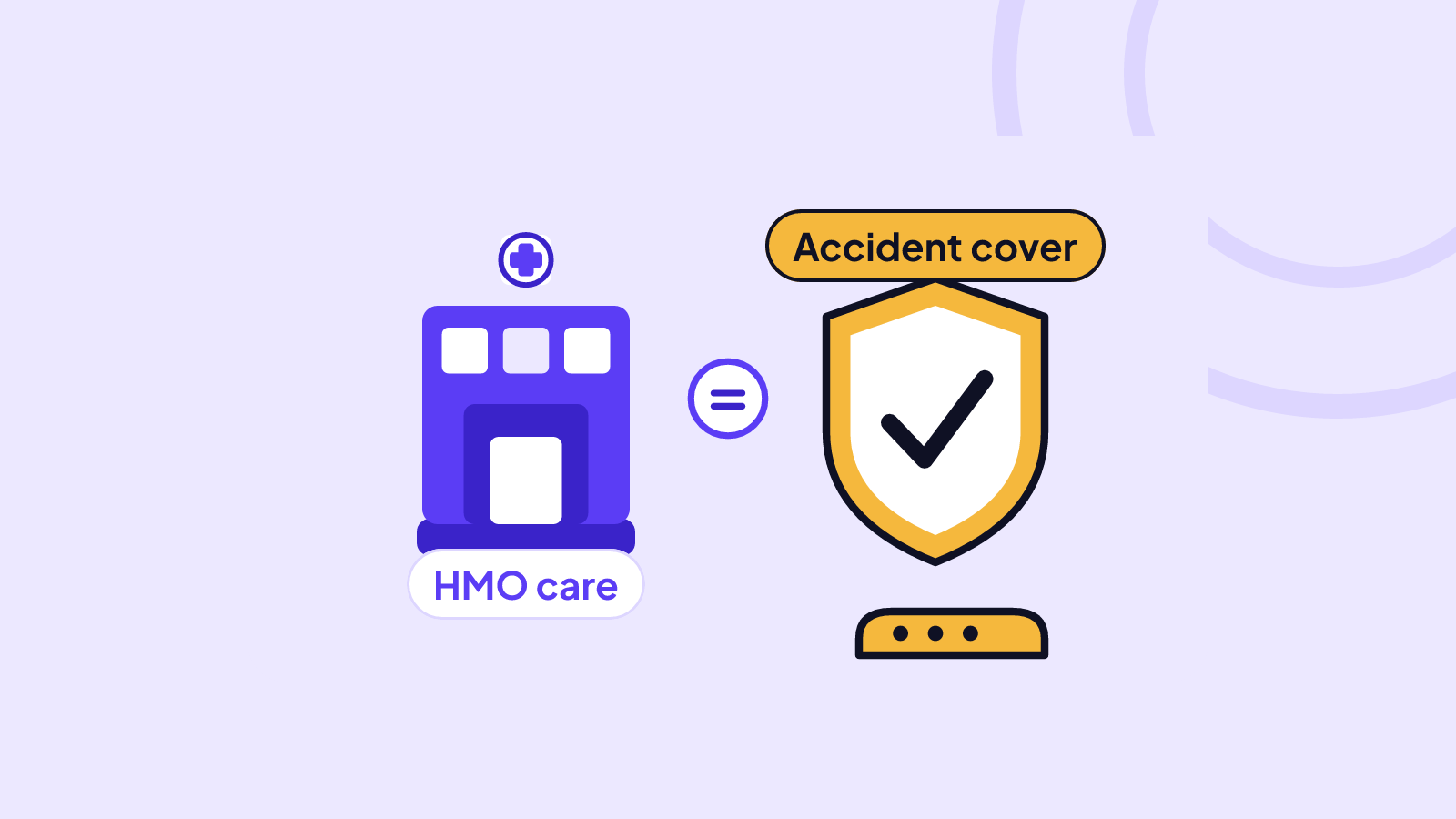
An HMO (health maintenance organisation) is a prepaid health plan that arranges your treatment for illness and injury at hospitals in its network. Personal accident insurance is different: it pays set benefits if an accident causes death, disability or medical bills. HMO is for everyday health; personal accident is for accidents only.
Key takeaways
- An HMO plan mainly gives you access to treatment. Personal accident insurance mainly pays a benefit, usually a set amount from a schedule, when an accident causes serious harm.
- HMO usually covers illness such as malaria, infections and routine care. Personal accident usually excludes illness and disease unless the accident directly caused it.
- Personal accident can pay for permanent disablement or death, which a health plan is not designed to do.
- Many households and businesses sensibly hold both, because they answer different problems.
- Personal accident can be arranged through VaultCova. HMO is not yet available through VaultCova.
What is an HMO plan?
An HMO plan works like a prepaid membership for healthcare. You, or your employer, pay a regular contribution. In return you can use the hospitals and clinics on the plan's list without paying each bill yourself.
Typically an HMO covers things like consultations, tests, drugs and some admissions or surgery. Maternity, dental, eye care and specialist treatment depend on the plan level you pick. Plans usually come with limits, waiting periods, a list of exclusions and a need to get approval before some treatments. The exact terms are in your plan document, so always read it.
The key idea: an HMO is about getting care when you are unwell or hurt, within the rules of the plan.
What is personal accident insurance?
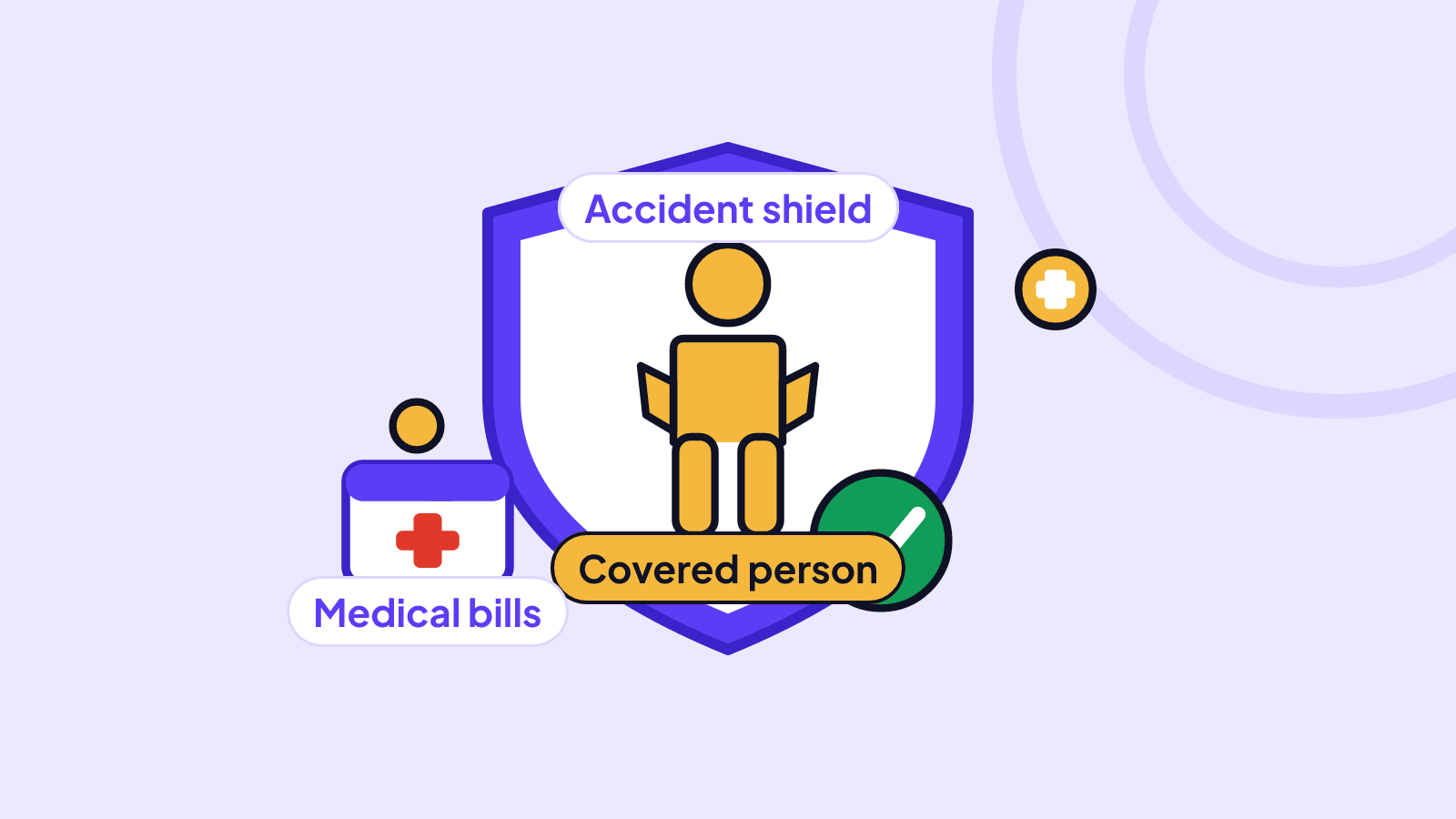
Personal accident insurance is cover for the person, not for something they own. It pays the benefits on its schedule when an accident, meaning bodily injury caused by violent, external and visible means, leads to:
- death,
- permanent disablement, or
- temporary total disablement (a period when you cannot work at all).
It also usually pays the medical bills that follow the accident. The important point is the benefit. If an accident leaves you unable to work for months, the policy pays according to its schedule, which a health plan does not do.
Usually it excludes illness and disease (unless caused directly by the accident), deliberate self-injury, injury under the influence of alcohol or non-prescribed drugs, injury while committing a crime, and pregnancy or childbirth. Your own policy wording governs.
For more depth, see Personal Accident Insurance: Benefits and Where to Get It.
How are they different side by side?
Think of three questions.
- What triggers it? An HMO responds to illness or injury of almost any kind that the plan covers. Personal accident responds only to an accident.
- What does it give you? An HMO gives you treatment through its network. Personal accident gives you money from a schedule, plus often medical bills after the accident.
- What does it ignore? An HMO does not replace lost income or pay for a lasting disability. Personal accident does not cover malaria, typhoid, hypertension or most everyday health needs.
One simple example: you get typhoid. The HMO is the one that helps. You slip, break your leg and cannot work for weeks. Both could be relevant: the HMO for treatment where its terms allow, and personal accident for the benefit and the medical bills it covers. The two can overlap on medical bills, so check how each wording treats it.
Household example: a family in the rainy season
Amaka is a teacher in Lagos and the main earner for her family. She has an HMO plan that covers her children's clinic visits and malaria treatment. During heavy rain she slips on wet steps and fractures her wrist and spine, and she is off work for months.
The HMO helps with the hospital treatment its rules allow. But her household bills carry on while she is not earning. A personal accident policy would pay the benefits on its schedule for the disablement, which can help with rent, school fees and recovery costs. If she had only an HMO, the treatment might be handled, but the income gap would be hers to carry.
Business example: a small delivery company
Tunde runs a dispatch business in Lagos with ten riders and four office staff. He gives the office team an HMO plan to keep them healthy and at work. His riders face road accidents every week, from potholes, flooding and traffic.
For the riders, personal accident is the cover that fits the real risk: a crash that causes injury, disablement or death. An HMO would help with treatment, but it would not pay a disablement benefit. For the death of staff from any cause, Tunde should also look at group life cover, which pays a multiple of annual pay to beneficiaries. Our guide to group life insurance for employers explains how that works. Personal accident and group life are separate covers, and each answers a different question.
Do you need both, and how do you get each?
If you can only afford one, ask what hurts you most. For many people with young families or income that depends on their own body, such as riders, artisans, drivers and freelancers, an accident that stops work is the sharper threat. For others, regular medical bills are the bigger worry. Holding both gives the widest protection, but they do not duplicate each other much.
How to act:
- Personal accident: In the VaultCova app you choose it from More cover. VaultCova selects the covers that fit you from licensed underwriters and gives you options, currently Personal Accident Basic and Personal Accident Silver. Cover is provided by licensed underwriters, who carry the risk. Nothing is logged in VaultLog for this, because the cover is for you, not for something you own.
- HMO: This is not yet available through VaultCova.
If you do claim on personal accident, you usually send the medical report and receipts for medical bills, and after a death, the death certificate. The underwriter may ask for more. Read how to file an insurance claim so you know the steps before you ever need them.
Frequently asked questions
Does an HMO cover accidents?
Usually yes for treatment, because many plans cover injuries as well as illness, within their limits and network rules. But an HMO typically does not pay a lump sum for disablement or death. Check your plan document for what it says on accidents.
Does personal accident insurance cover illness like malaria?
No, it usually excludes illness and disease, unless an accident directly caused it. It is built for injury from accidents, not routine health problems. That is the gap an HMO is meant to fill.
Can I claim from both an HMO and personal accident for the same accident?
Potentially, because they do different jobs, but medical bills can overlap. Principle of indemnity means you should not profit from a loss. Check both wordings and tell each provider what the other has paid.
Can a business use personal accident for its staff?
Yes, many businesses cover staff who face higher accident risk, such as riders and site workers. It is separate from group life, which covers death from any cause for employees on a scheme. A business can review both with Cova.
Ready to protect yourself against the accidents your health plan does not pay for? Start a vault and talk to Cova about the personal accident options.