Does insurance cover theft?
Often yes, but it depends on the class of cover and the conditions in the wording. Here is what actually pays out.
The VaultCova Team·17 August 2026·1 min read
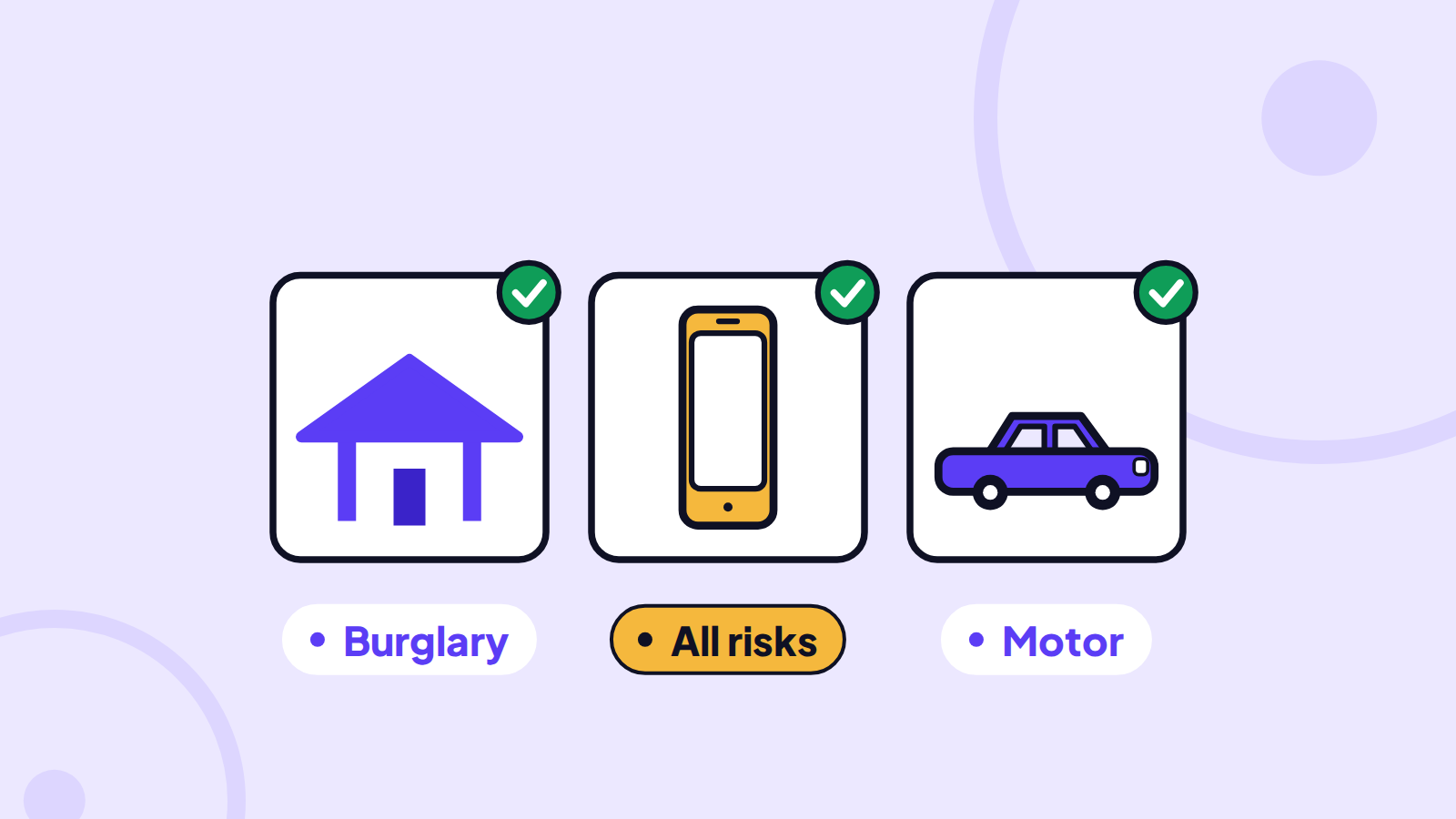
Theft is one of the most common reasons people insure their belongings, and the answer to "am I covered?" comes down to the class of policy and its conditions.
Which cover pays for theft
- Burglary and housebreaking covers theft from a premises, usually where there is forcible, visible entry.
- All-risks covers theft of a portable item wherever it happens, including in the open, which is why phones, laptops and jewellery belong here.
- Motor comprehensive covers theft of the vehicle itself.
A plain fire policy does not cover theft, and a burglary policy may not pay if an item was simply left somewhere and taken without a break-in. Match the cover to how the loss is likely to happen.
Conditions that decide a claim
Most theft claims require:
- A police report, filed promptly
- Proof you owned the item and what it was worth (a receipt, a photo, a serial number)
- That any security warranty was met, for example that burglar bars or an alarm named in the policy were actually in place
Prove ownership before you need to
The single biggest reason a genuine theft claim stalls is no proof the item existed. Log each valuable in your vault with a photo and receipt the day you get it, so the evidence is ready if it is ever stolen.