Group Life Insurance for Employers: How It Works and What to Do
Group life insurance pays a lump sum to the family of an employee who dies while on your scheme. Learn how the sum is set, what medical evidence does, and how joiners and claims work.

Group life insurance is one policy that pays a lump sum to the beneficiaries of an employee who dies while employed and on the scheme. The sum is a multiple of the employee's annual pay, and the law requires at least three times. As the employer, your main job is to keep the staff schedule accurate.
Key takeaways
- Group life pays a multiple of each member's annual emolument (basic, housing and transport pay), and the legal minimum is three times.
- A member whose cover is above the underwriter's free cover limit is covered only up to that limit until medical evidence is accepted.
- Keep the staff schedule current. New joiners are added for the days left in the term, and a covered member cannot be removed until the scheme lapses.
- A death claim needs a death certificate, and a police report if the death was an accident or violence; a medical report, the beneficiary's ID and a payslip help.
- VaultCova arranges group life through licensed underwriters, who carry the risk. VaultCova is not the insurer.
What is group life insurance and who is it for?
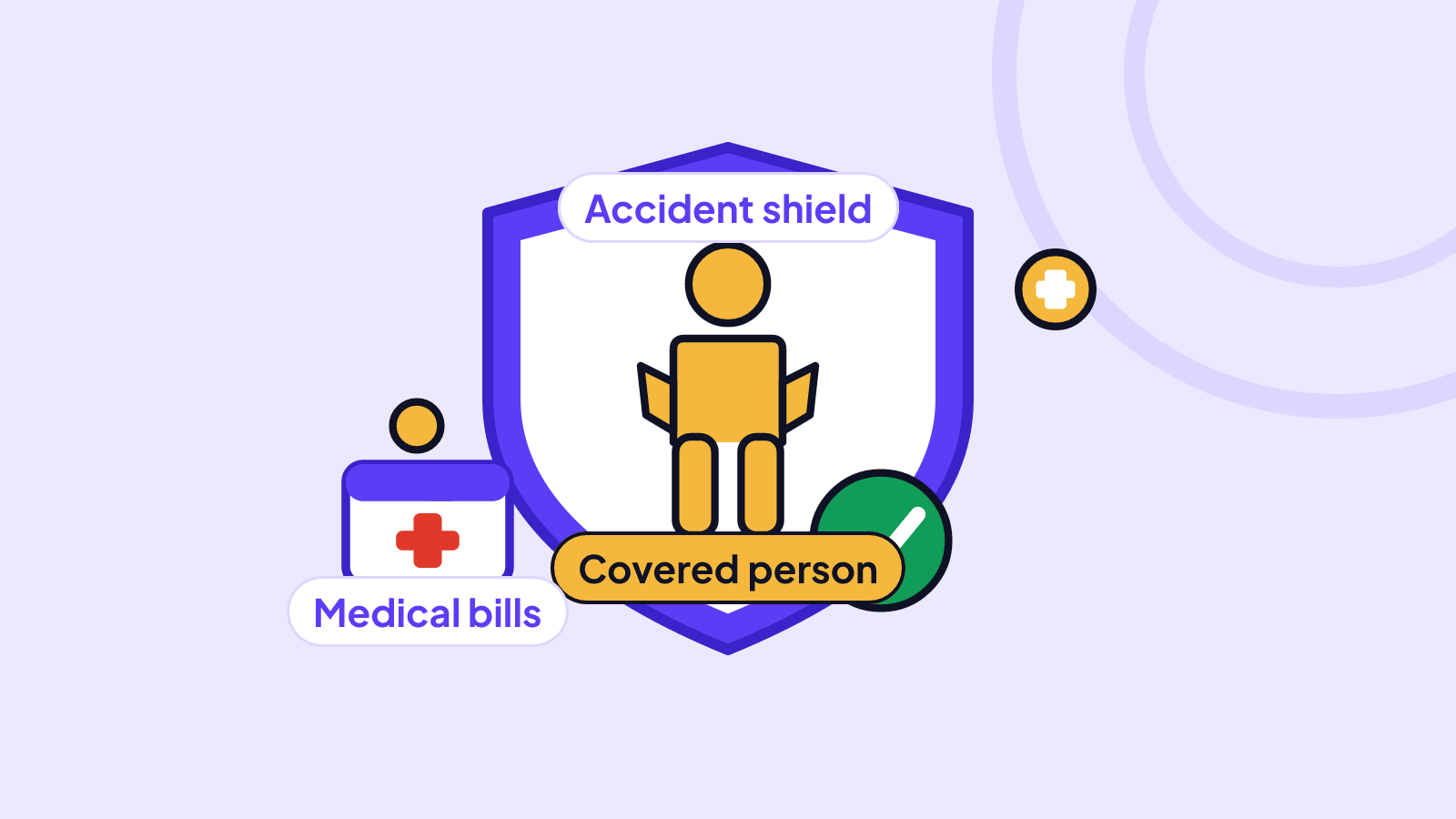
Group life insurance covers the death of any member of a named group of employees from any cause, while they are employed and on the scheme. The employer buys one policy for the whole group instead of one policy per person. The money goes to the member's beneficiary, the person or people the employee names to receive the payout, usually family.
The key terms you will meet:
- Emolument: an employee's annual pay for this purpose, usually basic, housing and transport added together.
- Sum assured (amount covered): the lump sum payable on death, usually a multiple of emolument.
- Schedule: the list of members, with their pay and the amount covered for each.
- Free cover limit: the highest amount the underwriter will cover for one member without medical evidence.
It is for any employer with staff on payroll, from a 10-person firm to a large company. It is also a compulsory cover. The law requires at least three times annual emolument, so it is a compliance matter as well as a staff welfare benefit. For the wider picture of what is mandatory, see compulsory insurance in Nigeria under the NIIRA Act 2025.
One point of difference from other covers: group life is compulsory, so it does not earn VaultRewards cashback.
How is the sum assured worked out?
The sum assured for each member follows from their pay and the multiple on the schedule. Here is a worked example using round figures.
An operations officer earns, per month:
- Basic: ₦150,000
- Housing: ₦60,000
- Transport: ₦40,000
- Monthly emolument: ₦150,000 + ₦60,000 + ₦40,000 = ₦250,000.
- Annual emolument: ₦250,000 x 12 = ₦3,000,000.
- Amount covered at three times: ₦3,000,000 x 3 = ₦9,000,000.
If 20 staff earned about the same, the scheme would carry roughly ₦9,000,000 x 20 = ₦180,000,000 of life cover. The premium is priced on that exposure and on the underwriter's rates. Cova shows one price for group life, from the underwriter our routing picks, and the underwriter is named at the pay step.
You can enter pay monthly, and the yearly figures are worked out from it. Raises matter: if you pay staff more than the schedule says, the family receives less than they would expect. Review pay on the schedule at least at each renewal.
What is the free cover limit and why does medical evidence matter?
Underwriters accept ordinary risks quickly, but for large sums on a single life they want health information. That is the purpose of the free cover limit.
A member assured above the limit is covered, and charged, only up to the limit until medical evidence is accepted. Here is the arithmetic, using an illustrative limit of ₦8,000,000 (your underwriter's actual limit is shown to you):
- The officer above is assured for ₦9,000,000.
- The illustrative free cover limit is ₦8,000,000.
- Until medical evidence is accepted, cover and charge stop at ₦8,000,000.
- The gap is ₦9,000,000 - ₦8,000,000 = ₦1,000,000. If that member died before acceptance, the claim would pay ₦8,000,000, not ₦9,000,000.
The process to close the gap:
- The employer uploads a medical report under the member in Group life.
- The underwriter accepts it (sometimes with a loading, an extra charge for a higher-than-normal risk) or declines it.
- If accepted, you pay for the extra cover for the days left in the term, using "Pay for extra cover" on the Group life screen.
- Accepted evidence carries over to renewals. A declined member stays covered up to the limit.
The practical lesson for finance: if you have senior staff above the limit, collect medical reports early, because every week without them is a week of reduced cover for your highest-paid people.
How do joiners, leavers and renewals work?
A live scheme needs maintenance, and the rules are simple but strict.
New staff. They join a scheme already in force from the Joiners card in Group life, using "Add to cover". The charge is priced at the rate the scheme was bought on, for the days left. For example, if a hire joins with 73 days left in a 365-day term, the charge is 73 / 365 = 20% of the annual charge at that rate. Do this on the hire's start date, not at renewal. A death before the joiner is added is not covered by the scheme.
Leavers. A member a live scheme covers cannot be removed until the scheme lapses. The member shows "Covered until" and the date. After the lapse you can remove them. Plan renewals around this so resigned staff do not remain on the schedule.
Bulk lists. For a larger workforce, import the member list from Excel or CSV using the template in Group life. Headers such as name, NIN, job, date of birth and pay are matched. Rows that fail come back by row number, and an ID already on the list is skipped, so you can re-run a corrected file safely.
Member documents. Each member needs an ID and a letter of appointment, and the Documents checklist marks them Needed. A passport photo and the next of kin's ID are optional. A medical report is needed above the free cover limit. Documents are stored privately.
Renewal. Renewal opens in the last 30 days of a term, never earlier. You can still add new staff to a live scheme before then. If the scheme is not renewed, it ends on its date, and a death after that cannot be claimed.
Cancelling. Once the underwriter has approved a group life scheme it runs to its end date, with no refund. Confirm headcount and pay before you pay.
How do you claim when a staff member dies?
A group life death claim is filed from Claims: choose File a claim, then "A staff member has died". Cova can open that screen for you. The underwriter's policy wording always governs, and the usual position follows.
What you enter:
- The member (from the schedule).
- The date and cause of death.
- The beneficiary. The next of kin on file is filled in for you.
What you upload:
- The death certificate (required).
- A police report, when the death was an accident or violence.
- Helpful extras: a medical report, the beneficiary's ID and a payslip.
Cova reads the documents. Then our claims team and the underwriter decide. The payout is the member's amount covered on the schedule, so a member still awaiting medical evidence is paid up to the free cover limit only. The money goes into the employer's wallet, and the employer passes it to the beneficiary. Once paid, the member leaves the staff list.
Timing matters as with every cover: the death must happen within the current policy period, and the claim must be made while that period is still running. Notify promptly and do not wait for the paperwork to be perfect. For the general claim discipline, see how to file an insurance claim in Nigeria.
A checklist to hand your HR manager
- List every employee on payroll with NIN, job title, date of birth and monthly basic, housing and transport pay.
- Calculate annual emolument and the amount covered at no less than three times.
- Identify anyone above the underwriter's free cover limit and start their medical reports.
- Collect each member's ID and letter of appointment, and ask for next of kin details.
- Import the list into Group life, fix any failed rows, and confirm the price and the named underwriter.
- Add every new hire from the Joiners card on their start date.
- Check the schedule against payroll before each renewal, and update pay.
- Tell the finance lead the renewal date, and remember that nothing can be claimed once cover has ended.
If your business also insures property, stock and liability, group life is one part of the full programme described in business insurance for SMEs in Nigeria.
Frequently asked questions
Is group life insurance compulsory for employers?
The law requires employers to hold group life cover for staff, at a minimum of three times each member's annual emolument. Check your own situation and the wording of the policy you buy.
What if an employee earns more than the free cover limit?
They are covered, and charged, only up to the limit until the underwriter accepts a medical report. The employer uploads it under the member in Group life. If it is accepted, you pay for the extra cover for the days left, and if it is declined the member stays covered up to the limit.
Can I remove an employee who has resigned?
Not while the scheme is live. The member shows "Covered until" the scheme end date, and you can remove them after the scheme lapses. Plan for this when you set your renewal dates.
Who receives the money after a group life claim?
The payout goes into the employer's wallet, and the employer passes it to the member's beneficiary. The claim names the beneficiary, and the next of kin on file is filled in for you.
Group life is easier to run when your staff records are tidy, so start a vault, add your team, and ask Cova to walk you through it.