Compulsory Insurance in Nigeria Under the NIIRA Act 2025: What Is Mandatory and What Is Not
The Nigerian Insurance Industry Reform Act (NIIRA) 2025 reshaped the sector. Here is a plain guide to which covers are compulsory in Nigeria, who must buy them, and which important risks are still your own choice.
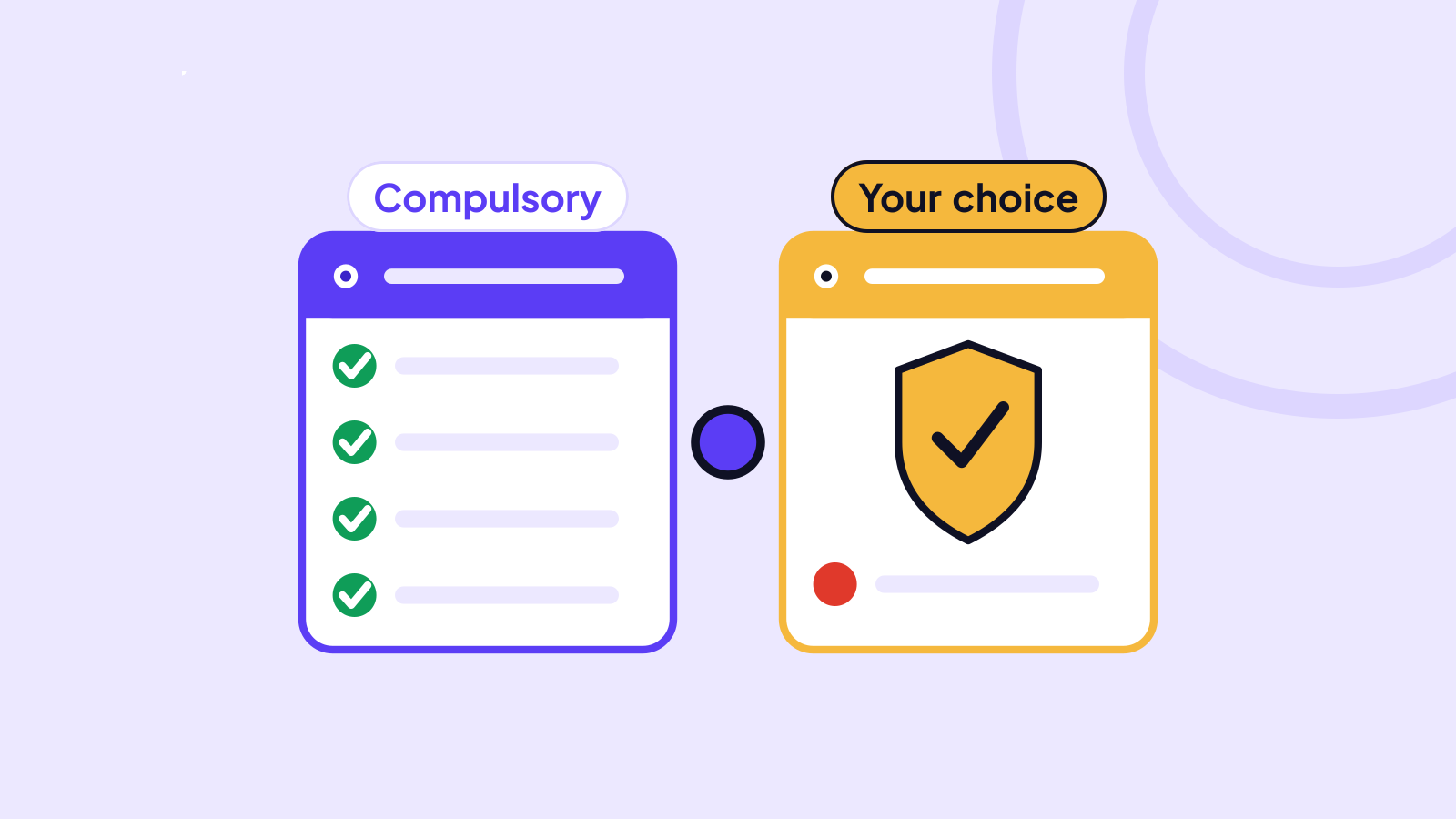
Many Nigerians hear "the new insurance law" and wonder what they are now forced to buy. The Nigerian Insurance Industry Reform Act (NIIRA) 2025 brought the country's insurance laws under one modern framework and strengthened how the industry is regulated. This guide explains, in plain language, which covers are compulsory in Nigeria and which are still your choice.
A note before we start: this is general information, not legal advice. Compulsory classes and penalties are set out in the Act itself and in related laws, so confirm the details that apply to you with the National Insurance Commission (NAICOM) or a licensed underwriter.
What NIIRA 2025 changed, in simple terms
NIIRA consolidates earlier insurance legislation into a single, updated law and aims to make the market stronger and more trusted. For everyday people, the main themes are:
- A better-capitalised industry, so insurers can pay claims.
- Stronger regulation and enforcement by NAICOM.
- A clearer focus on paying valid claims fairly and promptly.
- Continued emphasis on compulsory classes of insurance.
The long-standing idea of compulsory insurance did not disappear. The covers that were already required are the ones you should know about.
The compulsory covers most people should know
These classes have long been required in Nigeria through insurance law and related legislation. Whether each applies to you depends on who you are and what you do.
- Motor third party insurance: Every vehicle on the road needs at least third party cover. It pays for injury or damage you cause to other people and their property, not your own car.
- Builders' liability: Required for buildings under construction. It covers liability for injury or damage to third parties and workers during the build.
- Occupiers' liability for public buildings: Owners or managers of buildings the public uses, such as event halls, schools, markets and plazas, are expected to carry cover for harm to visitors.
- Fire and special perils cover for certain buildings: Public and commercial buildings are expected to be insured against fire and related risks.
- Employer-related cover: Employers have obligations for staff, including group life cover for employees under pension rules and employee compensation arrangements. Your HR or accountant should confirm the exact thresholds.
- Professional indemnity for certain professions: Some regulated professions, such as healthcare practitioners, are expected to hold indemnity cover.
- Cover on imports through local insurers: Goods imported into Nigeria are generally expected to be insured with a Nigerian insurer. See our page on marine cargo insurance.
Who needs what? A quick checklist
- Car owner or ride-hailing driver: Third party motor is the legal minimum. See car insurance in Nigeria.
- Landlord or developer building a property: Ask about builders' liability before work begins.
- Shop, hall or plaza operator: Check occupiers' liability and fire insurance.
- SME with staff: Review group life, employee compensation and related duties. Our business insurance page is a good start.
- Importer: Arrange cargo cover through a licensed Nigerian underwriter.
Compulsory does not mean complete
This is where people get caught out. Compulsory covers protect other people, or meet a legal duty. They usually do not protect what you own.
- Third party motor does not pay to fix or replace your own car if it is stolen or crashed. For that you need comprehensive insurance.
- A building's fire cover may not include the stock, equipment or furniture inside. Read buildings vs contents insurance.
- Nothing on the compulsory list covers your phone, laptop, generator, TV or jewellery.
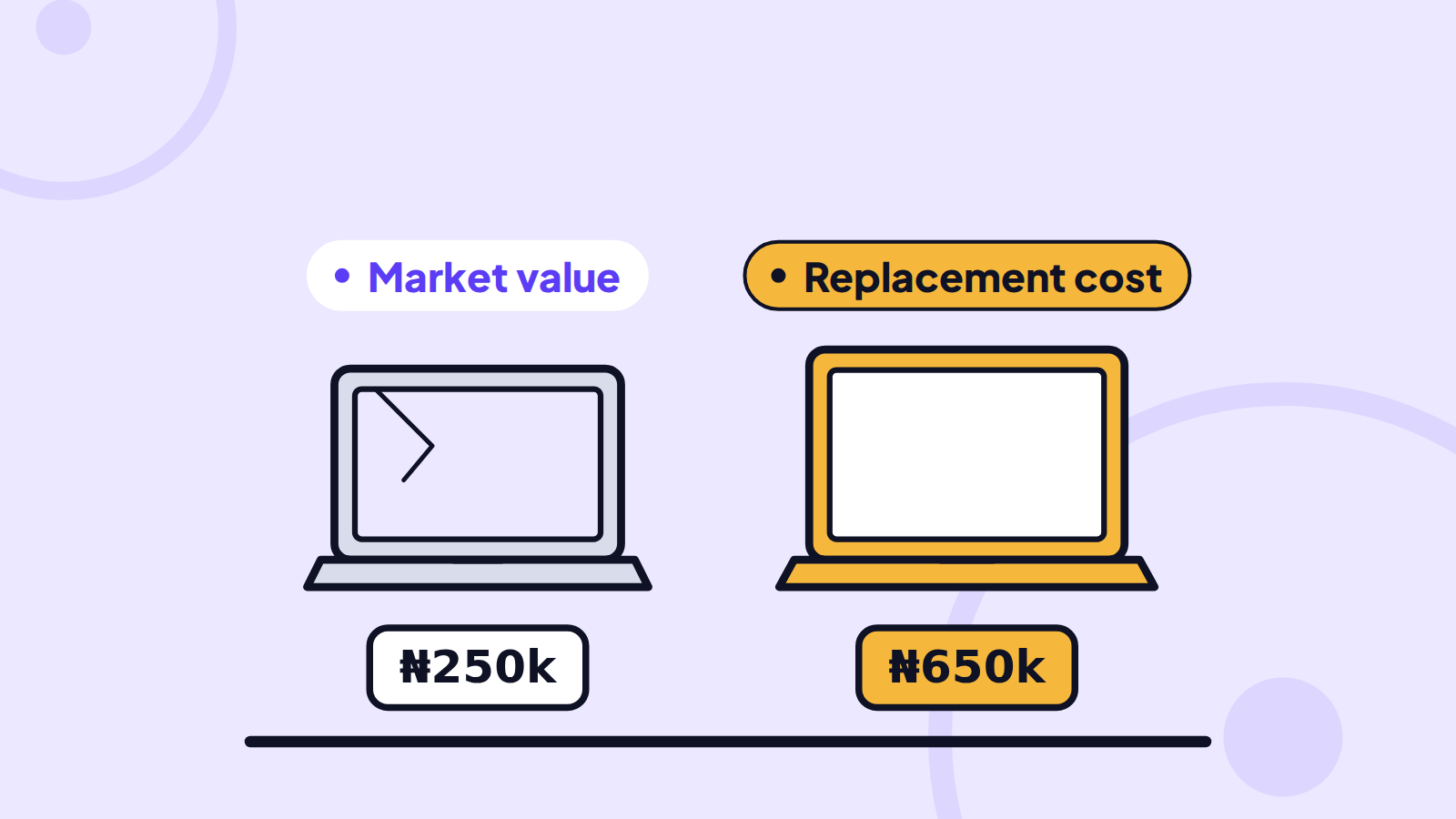
With a weaker naira pushing up replacement costs, a policy bought years ago may fall short today. If your sum insured is too low, the average clause can reduce your payout. See the average clause explained.
Avoid fake or lapsed cover
Because compulsory cover is checked at roadside stops and for licensing, fake certificates are a real risk. Protect yourself:
- Buy only through licensed underwriters and channels.
- Keep your certificate and policy number safe, in digital and printed form.
- Check the dates, and renew before the policy lapses.
- Remember that cover generally depends on the premium being paid. An unpaid premium can mean no valid claim.
Where VaultCova fits in
VaultCova is not an insurer. Cover is provided by licensed underwriters who carry the risk. What we help with is the part the law does not cover: knowing what you own and protecting it properly.
- Log first, for free: Record your devices, appliances, stock and equipment with photos, receipts and serial numbers.
- Insure when ready: Choose cover for the items that matter, with Cova quoting your exact figure.
- 14-day cooling-off: If you change your mind in that window, you get a pro-rata refund.
- Claims need proof: Ownership and value evidence, plus a police report for theft. Good records make this far easier. See how to value your assets.
The bottom line
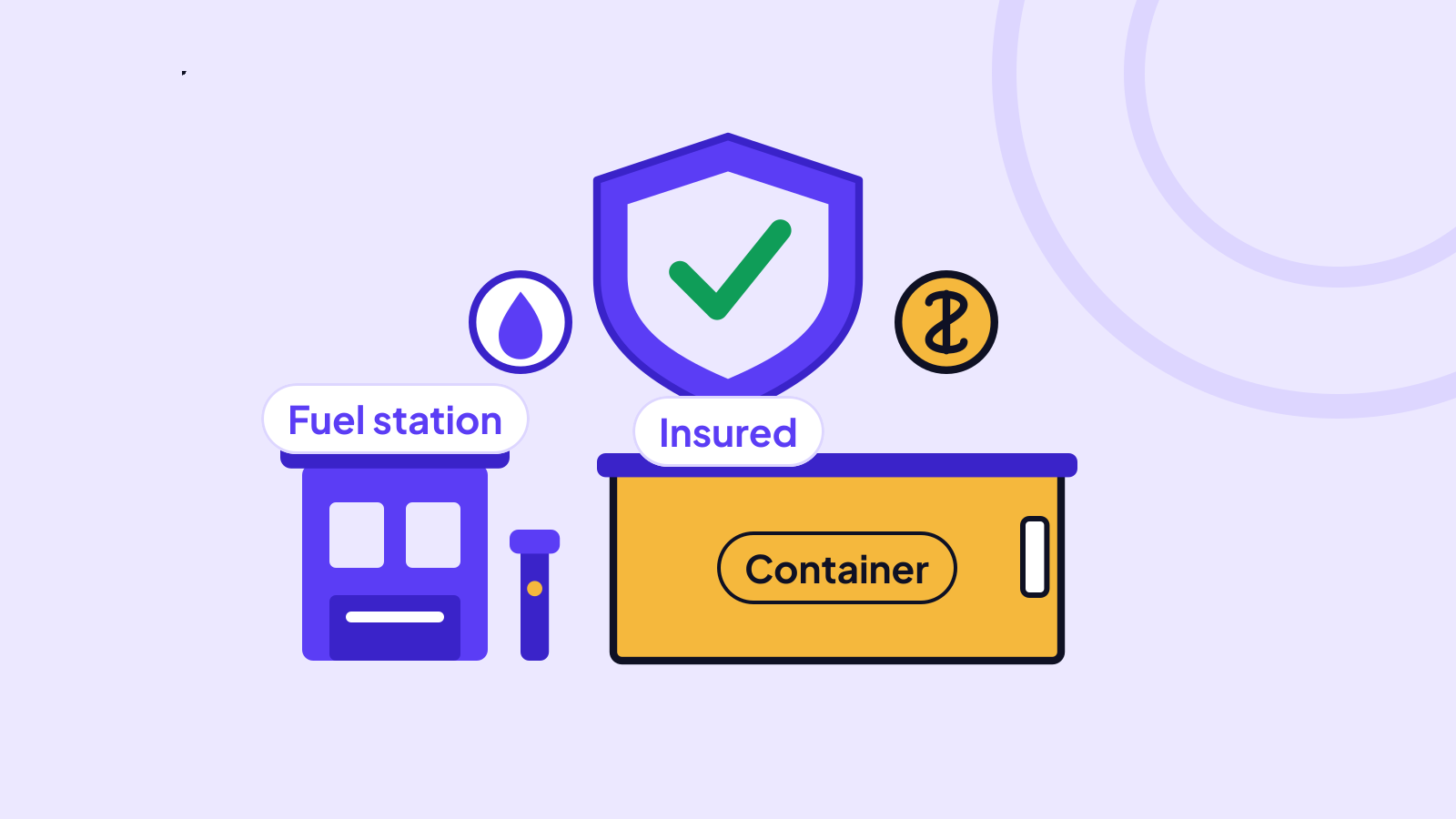
NIIRA 2025 keeps compulsory insurance firmly on the table, and the main covers are motor third party, builders' liability, public building liability, certain employer and professional covers, and import cover. Meeting those rules keeps you legal. Protecting your own belongings and income is a separate, voluntary step that often matters more when something goes wrong. If you operate specialist operations such as petrol stations, schools or hospitals, see Specialist Compulsory Insurance in Nigeria
Ready to see where you stand? Start a free vault, list what you own, and talk to Cova about what is worth insuring.