How to Insure Musical Instruments and Studio Equipment
Instruments and studio gear are costly to replace and easy to lose at gigs, in traffic or to a power surge. Here is how all-risks cover works for them and what proof to keep.
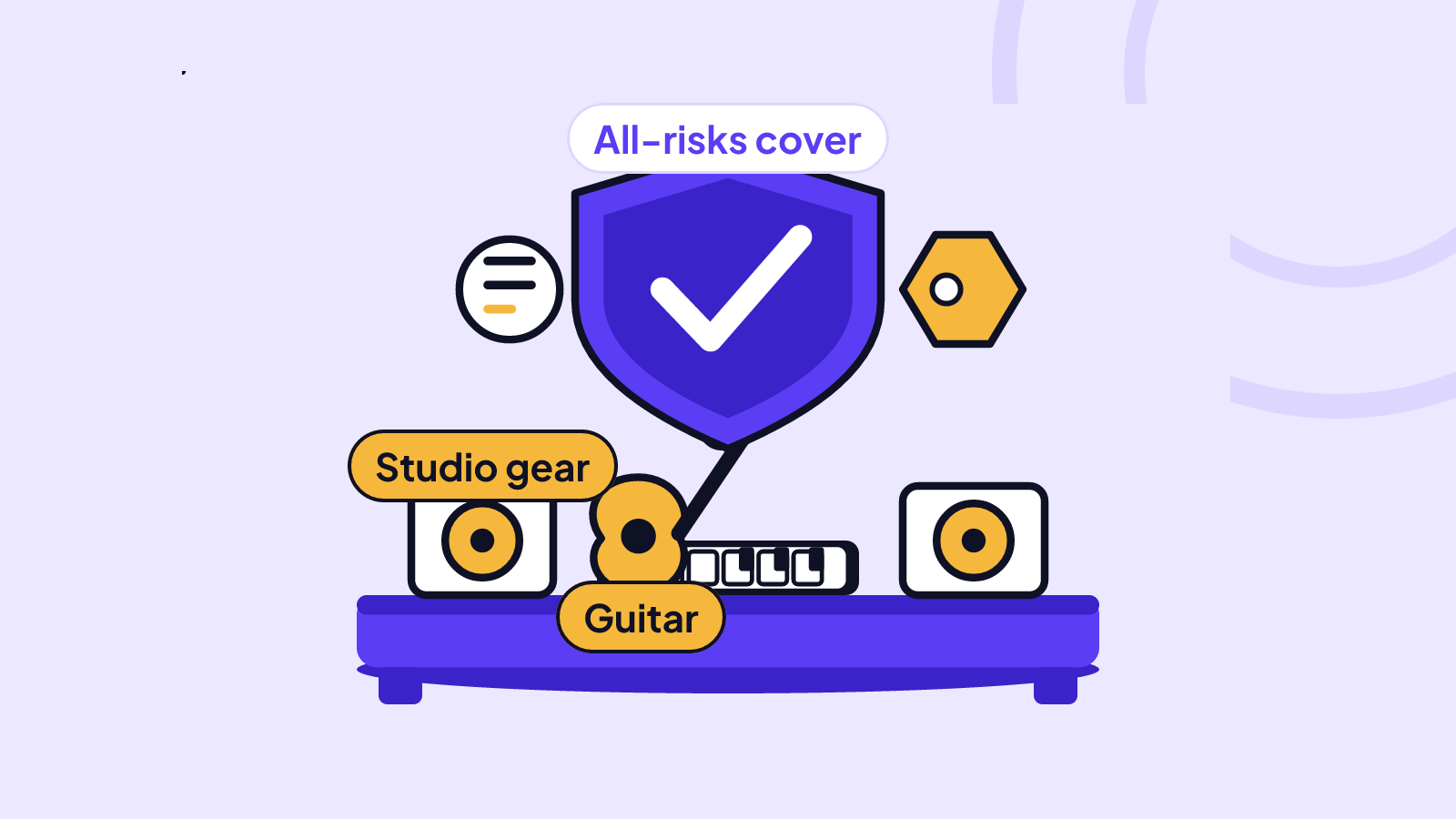
You insure musical instruments and studio equipment by listing each item with its serial number, photo and replacement value, then covering it under an all-risks policy that pays for accidental loss or damage at home and while carried about. Insure for what it costs to buy again today, not what you paid.
Key takeaways
- All-risks cover is the usual fit for instruments and studio gear, because it follows the item to rehearsals, gigs and events, not just your room.
- Insure for replacement value. A weaker naira means gear often costs more to replace than it did to buy.
- Serial numbers, photos and receipts are what turn a loss into a paid claim.
- Expect exclusions: wear and tear, breakdown, and gear left unattended in a vehicle.
- Log the gear before you buy cover, and review values at least once a year.
Why musical gear needs its own look
A keyboard, a guitar, a drum kit, an audio interface and a pair of monitors can easily add up to a few million naira. They also travel more than most things you own. A speaker goes in the boot of a hired car, a laptop with your sessions rides in a bag on a bike, and a mixer sits in a hall with generator power that jumps.
That mix of theft, knocks and electrical trouble is why ordinary home cover for a room's contents often falls short. Your gear is exposed in the places the policy never looks.
Which cover fits instruments and studio equipment?
The common choice is all-risks cover. All-risks means the policy pays for accidental loss of or damage to the item from any cause not specifically excluded, at home or carried about within the policy's territorial limits. Read more in What Is All-Risks Cover, and What Does It Not Cover?.
Through VaultCova, the All Risk Insurance Policy is available for electronics and equipment. Cover is provided by licensed underwriters, who carry the risk. You log the gear in VaultLog first, and Cova selects the covers that fit and gives you options to choose from.
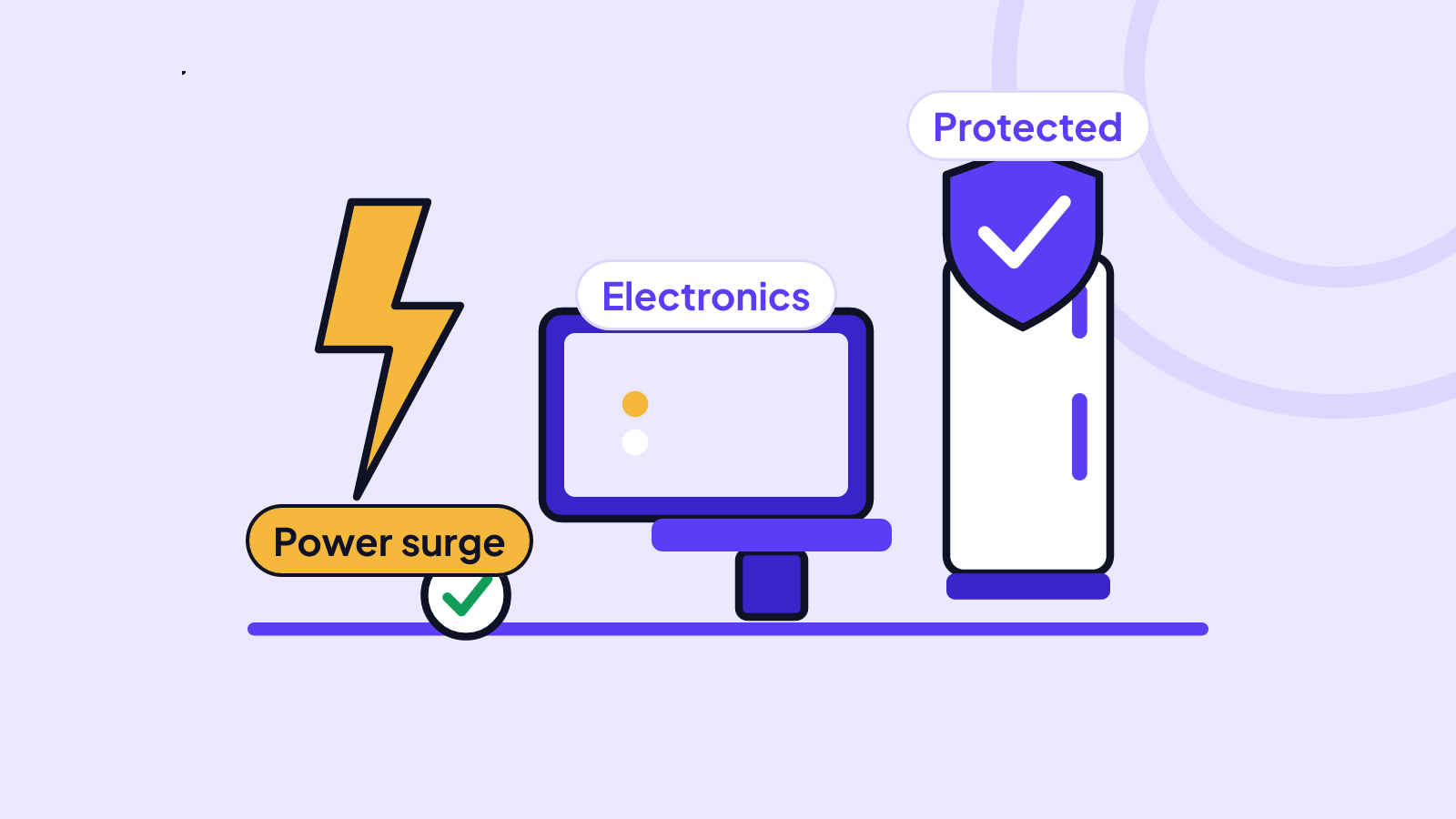
For mostly electronic gear, such as interfaces, synths, mixers and laptops, the usual electronic equipment wording also covers sudden damage from a power surge or short circuit. See Power Surges in Nigeria: How to Protect Your Electronics and What Insurance May Cover.
What does it usually exclude?
Your policy wording always governs, but all-risks cover typically excludes:
- Wear and tear, such as worn frets, tired drum heads or fading speaker cones.
- Mechanical or electrical breakdown with no outside cause.
- Gradual deterioration, including humidity damage that builds up over time.
- Damage while the item is being repaired or cleaned.
- Items left unattended in a vehicle.
- Unexplained disappearance, where you cannot say how it went missing.
The vehicle point matters for working musicians. A guitar left in a parked car during a break is the classic refused claim. Carry gear in with you, or keep it in sight.
How much should you insure it for?
Insure for replacement value, meaning the cost of buying the same or equivalent item new today. Market value is what someone would pay for your used item, which is usually lower. The difference is explained in Replacement Value vs Market Value: What Your Insurance Pays.
Underinsuring is costly because of the average clause. Average means that if you insure for less than the full value, the underwriter pays only the same share of any loss.
Here is a simple example:
- Your studio gear costs ₦900,000 to replace today, but you insure it for ₦600,000, two thirds of its value.
- A monitor and interface are stolen, a loss of ₦300,000.
- The underwriter pays two thirds, which is ₦200,000, before any excess.
The excess is the first part of each claim that you carry yourself. In the example above, it would come off the payment too. Keep values current, especially when prices of imported gear rise.
What proof should you keep?
A claim usually needs proof of ownership and value. For each item keep:
- The receipt or invoice, or a bank transfer record if the seller gave no receipt.
- The serial number, often under the body of an instrument or on the back panel of electronics.
- Clear photos of the whole item, the serial number and any marks or repairs.
- A short note of the model and year, which helps price the replacement.
For theft, you also need a police report. If you bought a second-hand instrument, a photo of the seller's message and your payment record is better than nothing. More detail is in How to Prove Ownership and Value for an Insurance Claim.
How do you set it up in practice?
Start by listing everything in VaultLog. You can log up to 30 assets on the free Vault plan, and attaching a photo or receipt is free. Cover can be bought without photos, but an item with no photo or receipt on file is priced 10% higher, so adding pictures first saves money.
Then ask Cova for cover. Cova can scan your photos, price the cover and, for most items, bind it instantly. Policies renew yearly, and you get reminders before they end. A loss must be claimed while the cover is still running, so do not let it lapse.
If you play for events or teach students at home, liability is a separate question. Gear covers your own things, not injury to someone else. Public Liability cover is available separately in the app.
Frequently asked questions
Can I insure just one instrument, like my guitar or keyboard?
Yes. You can log and cover a single item, though several items in one policy can earn a bundle saving of up to 6%, depending on the asset types and how risky they are.
Does cover apply when I take gear to gigs?
All-risks cover typically applies away from home within the territorial limits, but check your wording for any conditions. Gear left unattended in a vehicle is commonly excluded, so keep it with you.
Is gear I borrow or hire covered under my policy?
Usually not. Cover is for items you own, and liability policies commonly exclude property in your custody or control. Check who must insure hired or borrowed gear before you collect it.
What if my gear is damaged by a power surge in the studio?
Electronic equipment cover commonly pays for sudden surge damage, but may require surge protection and a stable supply. It does not usually pay for gear that simply wears out.
Start a vault, log your gear this week, and ask Cova which cover fits it.