Power Surges in Nigeria: How to Protect Your Electronics and What Insurance May Cover
Unstable power and generator switchovers can quietly destroy TVs, fridges and laptops. Learn how to reduce the risk, what insurance may cover, and how to prepare so a claim goes smoothly.
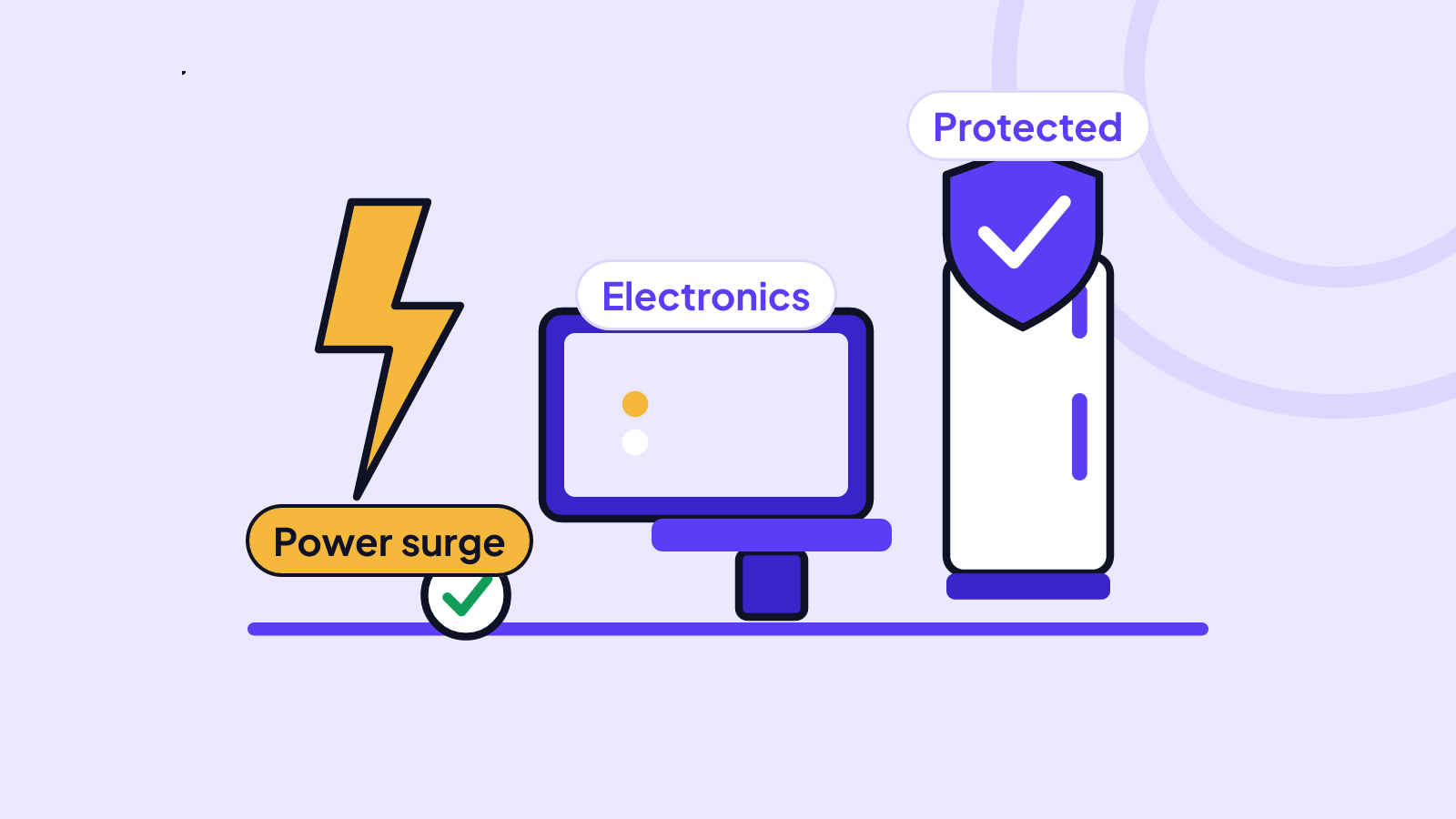
If you live in Nigeria, you know the moment: the lights return with a bang, a TV screen flickers, or a fridge compressor clicks and never starts again. Power surges and sudden switchovers between the grid and a generator are among the most common ways household electronics get damaged. They are also easy to overlook until the repair bill arrives.
This guide explains what causes the damage, how to reduce the risk, and what insurance may or may not do for you.
Why surges damage electronics so often
Electronics are built to run within a fairly narrow voltage range. When supply swings outside it, internal parts such as power supplies and circuit boards take the hit. Common triggers include:
- Grid power returning suddenly after an outage
- Switching between mains and a generator without a proper changeover
- Poorly maintained or overloaded generators that produce unstable output
- Lightning strikes during storms in the rainy season
- Faulty wiring or shared sockets overloaded with extension boards
Damage is not always dramatic. Sometimes a device dies on the spot. Other times it fails weeks later because of repeated small stresses.
Practical ways to protect what you own
Prevention costs far less than replacement, especially when imported electronics cost more to replace than they did when you bought them.
- Use quality surge protection. A proper surge-protected extension, not just a basic multi-socket, is a sensible minimum for TVs, decoders, routers and desktop computers.
- Consider a voltage stabiliser or AVR for fridges, freezers and air conditioners, which are expensive and sensitive to bad supply.
- Install a changeover switch so the grid and your generator never feed the house at the same time. Our guide on how to insure your generator in Nigeria covers the generator side.
- Unplug during storms or when you leave home for days, particularly laptops, chargers and gaming consoles.
- Service your generator regularly so its output stays steady.
- Get an electrician to check your wiring if devices keep failing in the same room.
What insurance may cover
Whether a surge is covered depends on the policy wording, so never assume. Some cover, such as all-risks style cover on specified items, may respond to accidental damage including certain electrical damage. Basic cover may not. Read more in what all-risks cover is, and what it does not cover.
Things to check before you buy:
- Is electrical or power surge damage mentioned, or excluded?
- Are the items covered named individually, or only by category?
- Does cover apply anywhere in the home, or only to listed items?
- Is damage caused by your own generator treated differently?
Typical exclusions to expect:
- Wear and tear and gradual deterioration
- Manufacturer faults that a warranty should handle
- Cosmetic damage that does not affect function
- Damage from poor maintenance or unsafe wiring
If you are unsure how your wording treats surges, ask Cova before you commit. The cover itself is provided by licensed underwriters, who decide what is included, and VaultCova helps you understand it in plain language.
Excess and underinsurance: the two money traps
Two features often surprise people at claim time.
The excess is the amount you pay towards each claim. For lower-value electronics, a repair bill might sit close to the excess, so a claim may not be worthwhile. See what an insurance excess is and how it works.
The average clause applies if you insured an item for less than it would cost to replace. A payout can then be reduced in proportion. With a weaker naira pushing up the price of imported appliances, values set a few years ago can be well out of date. Insure at replacement value and review it regularly. Our piece on the average clause explains the maths, and how often to update the value of what you own shows when to revisit your figures.
How to prepare so a claim goes smoothly
A claim needs proof of ownership and value. Before anything goes wrong:
- Photograph each item, including the label showing model and serial number
- Keep receipts, or screenshots of online orders and bank transfers
- Store everything in one place you can reach from your phone
If a surge does damage something:
- Switch off and unplug the device and the rest of the circuit.
- Take photos of the item and any visible damage.
- Do not throw anything away until your underwriter says you can.
- Get a written assessment or repair estimate from a qualified technician.
- Report the claim promptly with your proof of ownership and value.
A police report is needed for theft, not for surge damage. For the full process, see how to file an insurance claim in Nigeria.
Start with a simple log
You do not need to insure everything at once. Logging your vault with VaultCova is free, and you can insure the items that matter most when you are ready. If you take cover, there is a 14-day cooling-off period with a pro-rata refund if you change your mind. For electronics, begin with our guide to insuring your TV and home electronics.
Start a vault today and chat with Cova about which of your appliances are worth covering and how surge damage is treated. Cova quotes your exact figure, with no guesswork.