How to Insure Solar Panels, Inverters and Batteries in Nigeria
Solar setups are a big spend and exposed to theft, surges, fire and flood. Learn which cover fits panels, inverter and batteries, what is usually excluded, and what proof to keep.
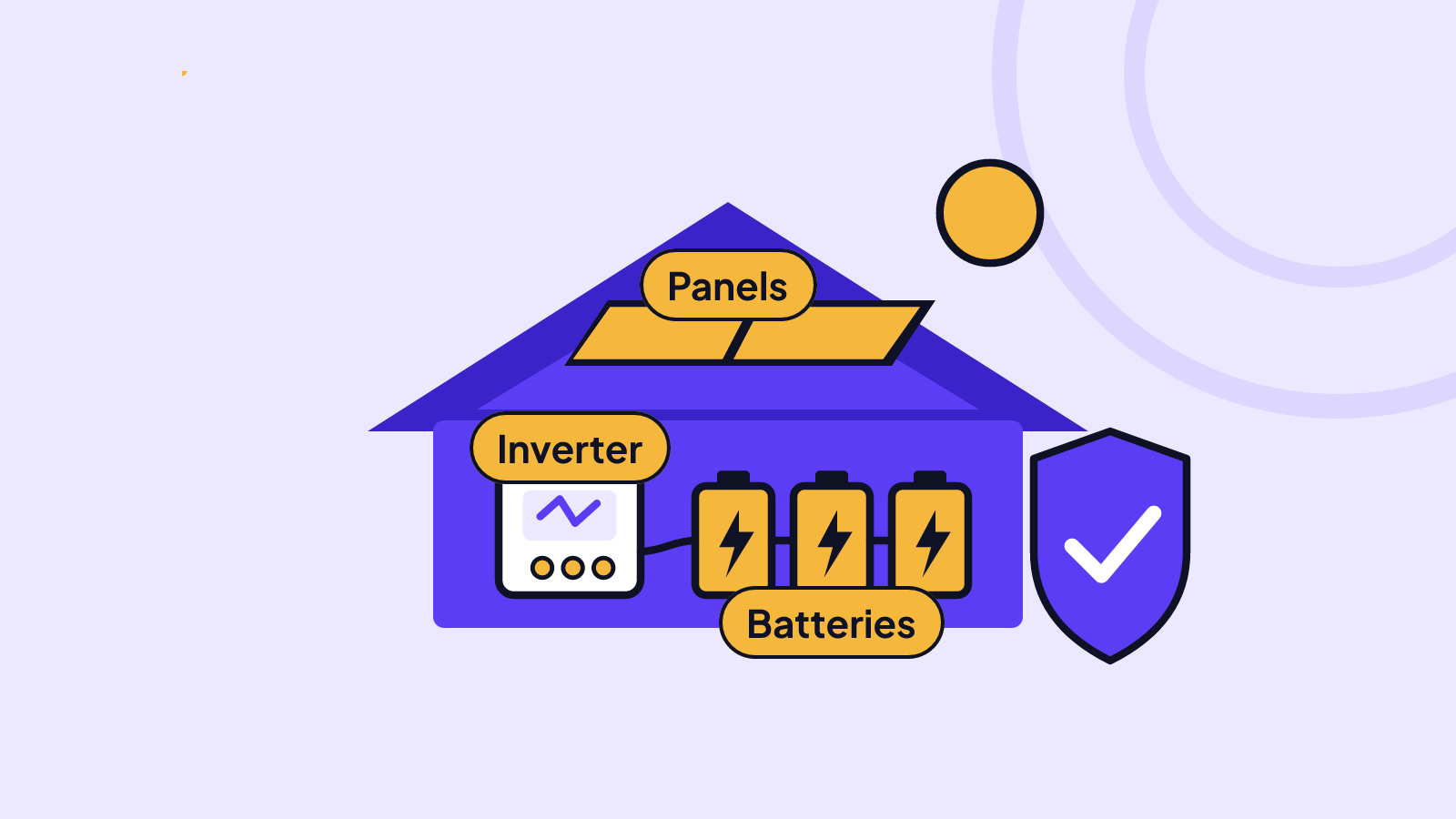
You can insure a home solar setup in Nigeria by splitting it into two parts. Panels fixed to the roof usually sit under your building or home policy (fire and special perils). The inverter, batteries and controller usually fit an all risks policy for electronics or equipment. Insure each at replacement value and keep proof of purchase.
Key takeaways
- Solar is often the most expensive thing in a Nigerian home after the building itself, so it deserves its own line in your cover.
- Roof panels usually follow the building; inverter and batteries usually need all risks cover for electronics or equipment.
- Insure for replacement value, because a weaker naira makes old receipts understate what a new system costs.
- Wear and tear and gradual battery fade are not covered, but sudden damage from a surge, fire or flood may be.
- Serial numbers, photos and the installer's invoice are what make a claim smooth.
Why does a solar setup need its own cover?
A typical home system has panels, an inverter, a bank of batteries, cabling and mounting. It is easy to spend several million naira, yet many owners assume it is "part of the house" and covered automatically. Often it is not, or it is covered only partly.
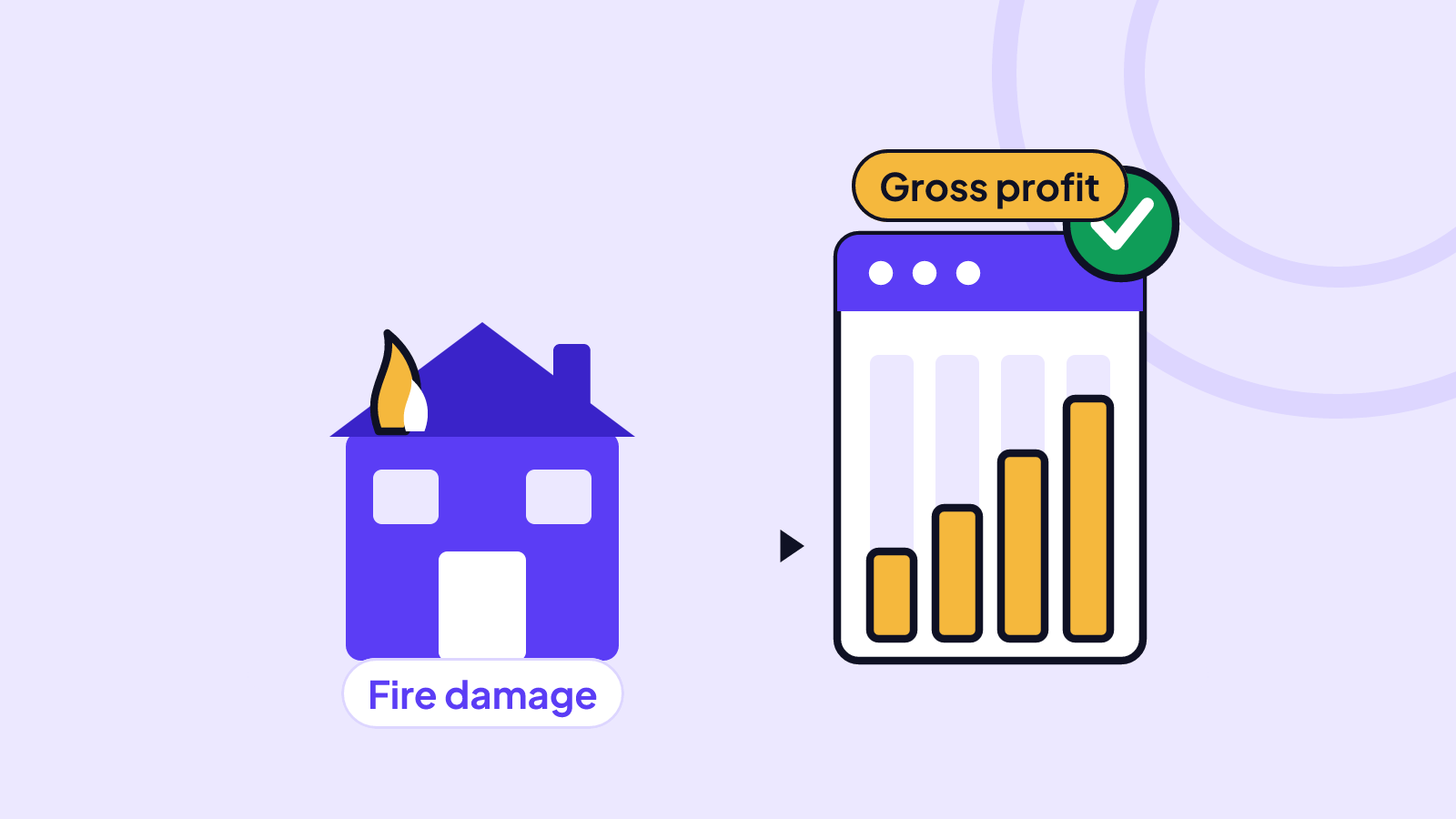
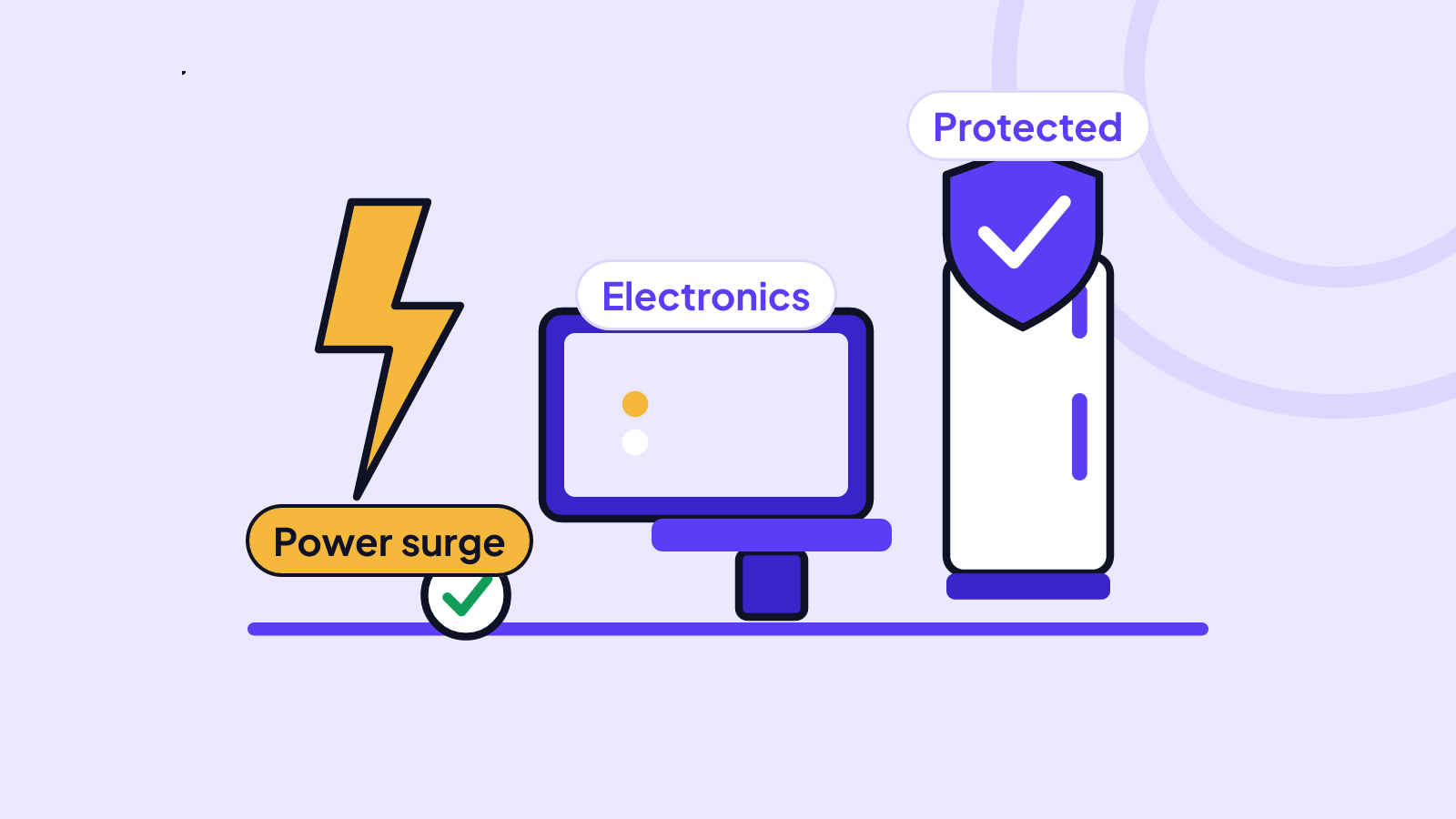
Think of the risks you actually face: a lightning strike or surge frying the inverter, a battery overheating and starting a fire, a flooded ground-floor utility room, a storm tearing panels off the roof, or thieves cutting cables in the compound.
Which cover fits which part?
VaultCova can arrange several covers that apply here, provided by licensed underwriters:
- Panels and mounting on the roof: these are usually treated as part of the building. Householder's (fire, burglary and special perils) or Fire and Special Perils covers fire, lightning, explosion, storm and flood. If you own the building, check that the sum insured includes the panels. If you rent, ask your landlord who owns them. See Buildings vs Contents Insurance.
- Inverter, charge controller and batteries: an All Risk Insurance Policy for electronics or equipment is the usual fit. All risks means accidental loss or damage from any cause not specifically excluded.
- Theft: Burglary Insurance (Private) usually requires forcible and violent entry. Items left outside the building, such as panels or cables in an open compound, are often excluded or limited, so confirm how your wording treats them.
Exact terms differ by underwriter, and your policy wording always governs. If you are unsure which combination suits your setup, ask Cova in the app.
What is usually not covered?
Know the limits before you need them:
- Wear and tear and battery fade. Batteries lose capacity over time. That is expected, not insurable.
- Faults under warranty. If the manufacturer or installer should fix it, the claim usually goes there first.
- Poor installation or maintenance. Underwriters may reduce a claim if the wording asks for surge protection or proper installation and you did not have it.
- Theft without forced entry, or items left in the open, as above.
For more on surge damage, read Power Surges in Nigeria. If a generator backs up your solar, see How to Insure Your Generator in Nigeria.
How much should you insure it for?
Insure for replacement value: what it would cost to buy the same system new today. Prices of imported panels, inverters and batteries tend to rise when the naira weakens, so a receipt from two years ago can badly understate the figure.
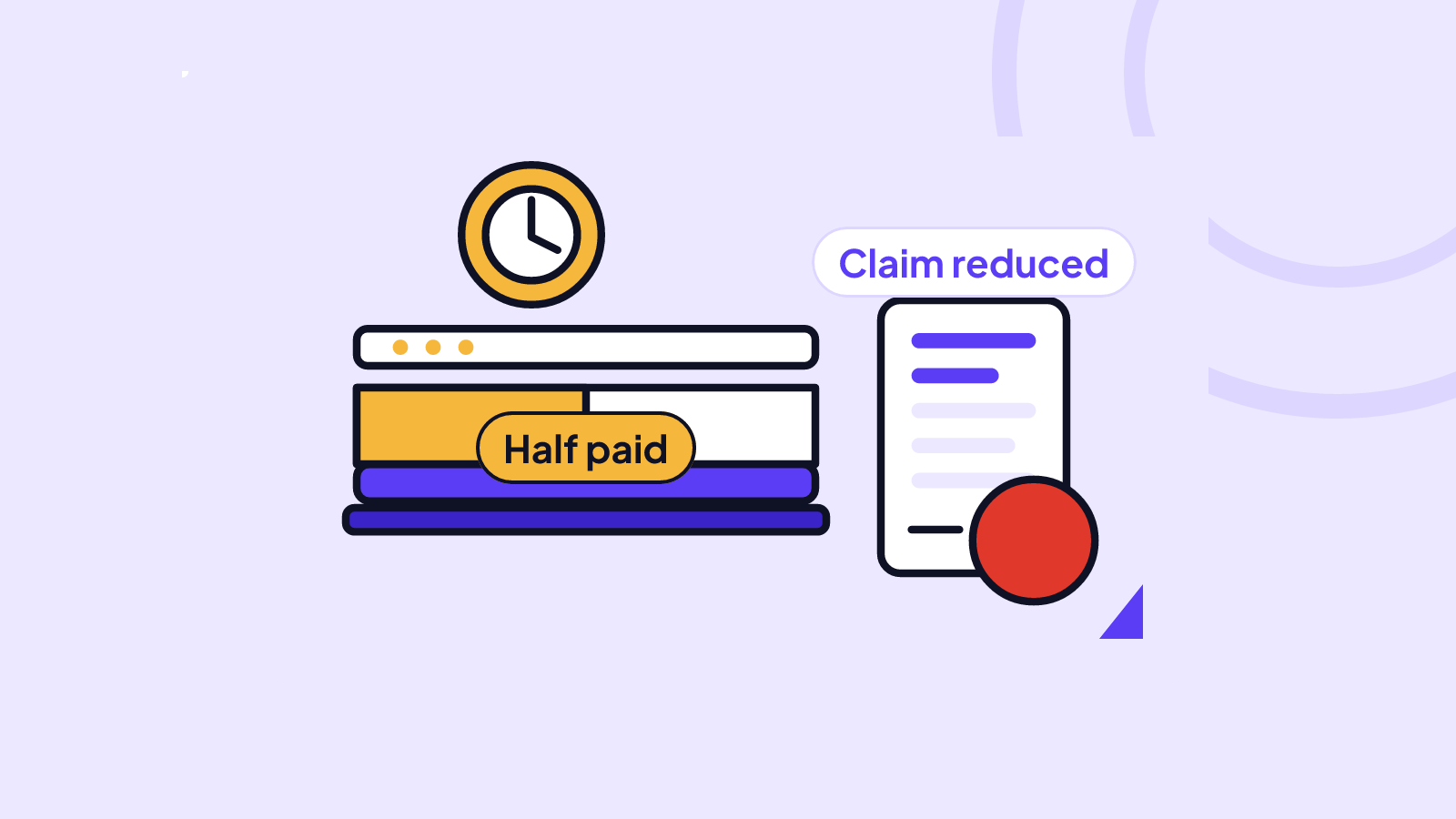
Here is why it matters, using round illustrative numbers. You paid ₦4,500,000 for your system, but replacing it today would cost ₦6,000,000. If you insure it at ₦4,500,000, you hold 75% of the true value. Under the average (underinsurance) clause, the underwriter pays only the same share of any loss. A ₦1,200,000 inverter loss would pay about ₦900,000, before any excess, which is the first slice of each claim you carry yourself. Read more in The Average Clause Explained.
Get a current quote from your installer or supplier, and review the figure at least once a year or after you add panels or batteries.
What proof should you keep?
Claims usually need proof of ownership and value. Gather this now, not after a loss:
- The installer's invoice and any receipts for panels, inverter and batteries.
- Photos of the full system, the roof array, and the label on each unit showing the serial number.
- Warranty cards and the installer's contact details.
- A note of the installation date and any later additions.
In VaultLog you can record each component with its value, attach receipts and photos, and Cova reads the documents to support cover and claims. Items with no photo or receipt on file are priced 10% higher, so adding pictures before you pay avoids that loading. If you insure several things together, such as your home contents and the solar system, bundle savings of up to 10% may apply on Individual Vault and above.
If something happens, stop using damaged equipment, take photos, report theft to the police, and tell the underwriter promptly. Claim before your cover ends, because nothing can be claimed once a policy period is over.
Frequently asked questions
Are solar panels covered by normal home insurance in Nigeria?
Often yes, if they are fixed to the building and the sum insured includes them, under fire and special perils or a householder policy. Theft of panels and damage to batteries or the inverter may need separate or extended cover, so confirm with your underwriter.
Does insurance cover a battery that stops holding charge?
Usually not. Gradual loss of capacity is wear and tear. Sudden physical damage, such as from a surge, fire or flood, may be covered under all risks.
Can I insure a solar system I rent or that my landlord owns?
You can insure what you own, such as your own inverter and batteries. If the landlord owns the panels, they usually insure them as part of the building. Agree who is responsible in writing.
Do I need to tell the underwriter I installed solar?
Yes. Telling the underwriter every material fact is called utmost good faith, and leaving out a major addition can reduce or void a claim. Update your sum insured whenever you add to the system.
Start a free vault, log your solar system with its serial numbers and receipts, and ask Cova which cover fits.