Insuring Your Belongings as a Tenant or Renter in Nigeria
Your landlord's building cover does not protect your TV, laptop or clothes. Here is how renters in Nigeria can cover their own belongings, simply and affordably.
Why renting does not mean you are covered
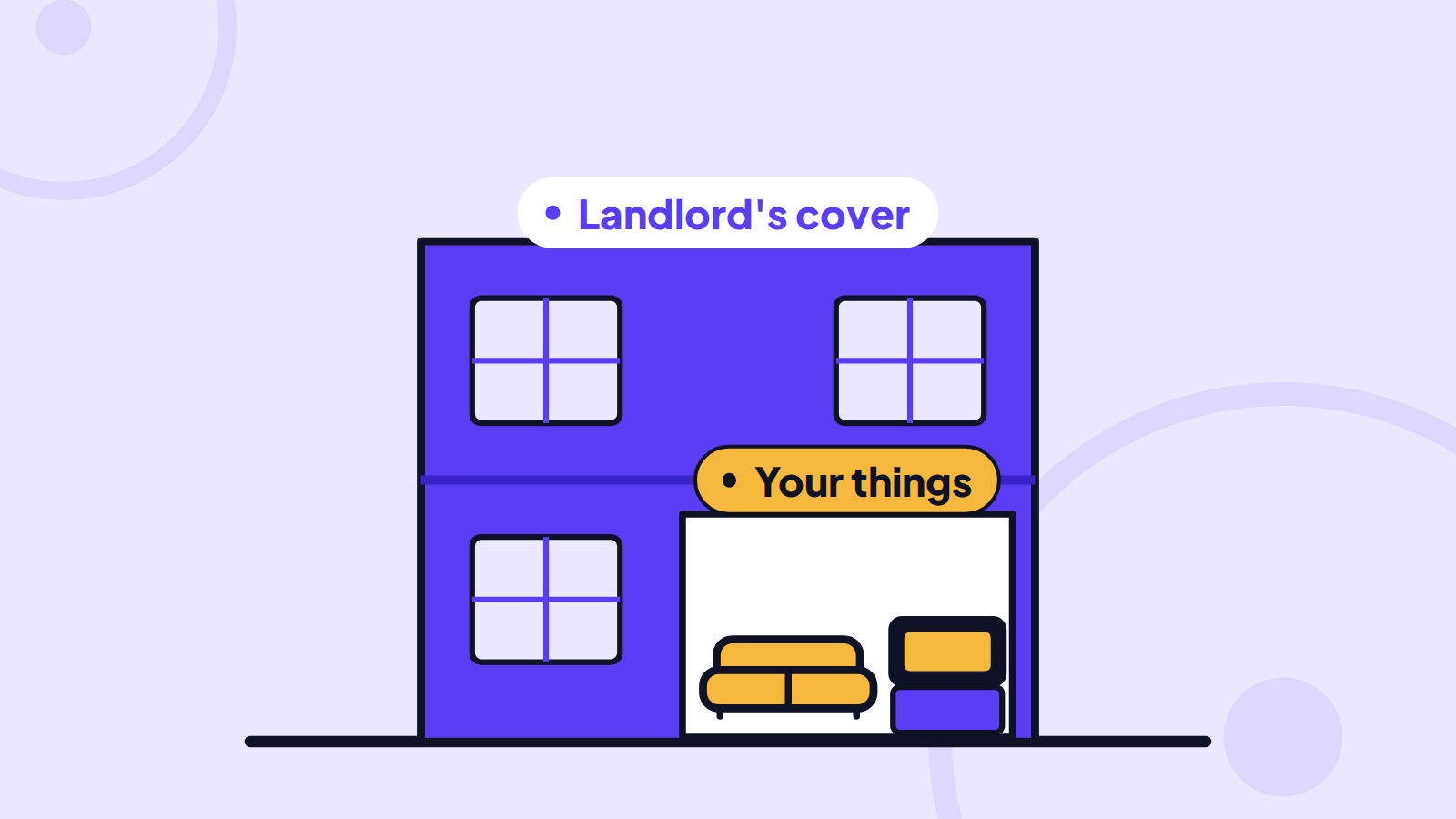
Many tenants in Nigeria assume that if their landlord has building insurance, their personal property is automatically protected too. This is one of the most common and costly misunderstandings in home insurance.
A landlord's policy, where one exists, typically covers the structure itself: walls, roof, fittings, sometimes the plumbing and electrical wiring. It does not cover your television, your laptop, your clothes, your kitchen appliances or the cash you keep at home. If a fire guts your rented flat, or thieves break in while you are away, the landlord's insurer will pay to fix the building. Your belongings are your own risk, unless you have arranged separate cover for them.
This gap matters more now than it used to. Rents are climbing, replacement costs for electronics and furniture have risen sharply, and many young professionals and gig workers are moving between rented apartments more often than previous generations. A short lease is not a reason to skip cover.
What tenant contents cover actually protects
Contents insurance for renters covers the things you own and would need to replace if something went wrong, wherever they sit inside your rented home. Common categories include:
- Electronics: TV, laptop, phone, gaming console, sound system
- Furniture and appliances: fridge, cooker, wardrobe, mattress, generator
- Clothing, shoes and personal items
- Kitchen equipment and small business tools if you work from home
Cover usually responds to fire, theft, burglary, flooding and similar named perils, depending on the policy. It does not usually cover simple wear and tear or items you damage through obvious negligence, so check the wording before you assume something is included. If you are unsure what "all-risks" really means versus a standard named-perils policy, it is worth reading up before you buy.
Why replacement value matters even more for tenants
Because tenants rarely own the building, the temptation is to underestimate the contents inside it. But a two-bedroom flat filled with a decent TV, laptop, generator, furniture and clothing can easily represent several hundred thousand to a few million naira in replacement value, more than people expect until they try to price it all again from scratch.
Insure for what it would cost to replace each item today, not what you paid for it years ago or what it might fetch secondhand. Underinsuring your contents triggers the average clause: if your declared value is lower than your true replacement value, most insurers will reduce your payout proportionally, even for a partial loss. See our guide on /resources/how-to-value-your-assets for a simple way to work this out room by room.
Getting cover as a renter, step by step
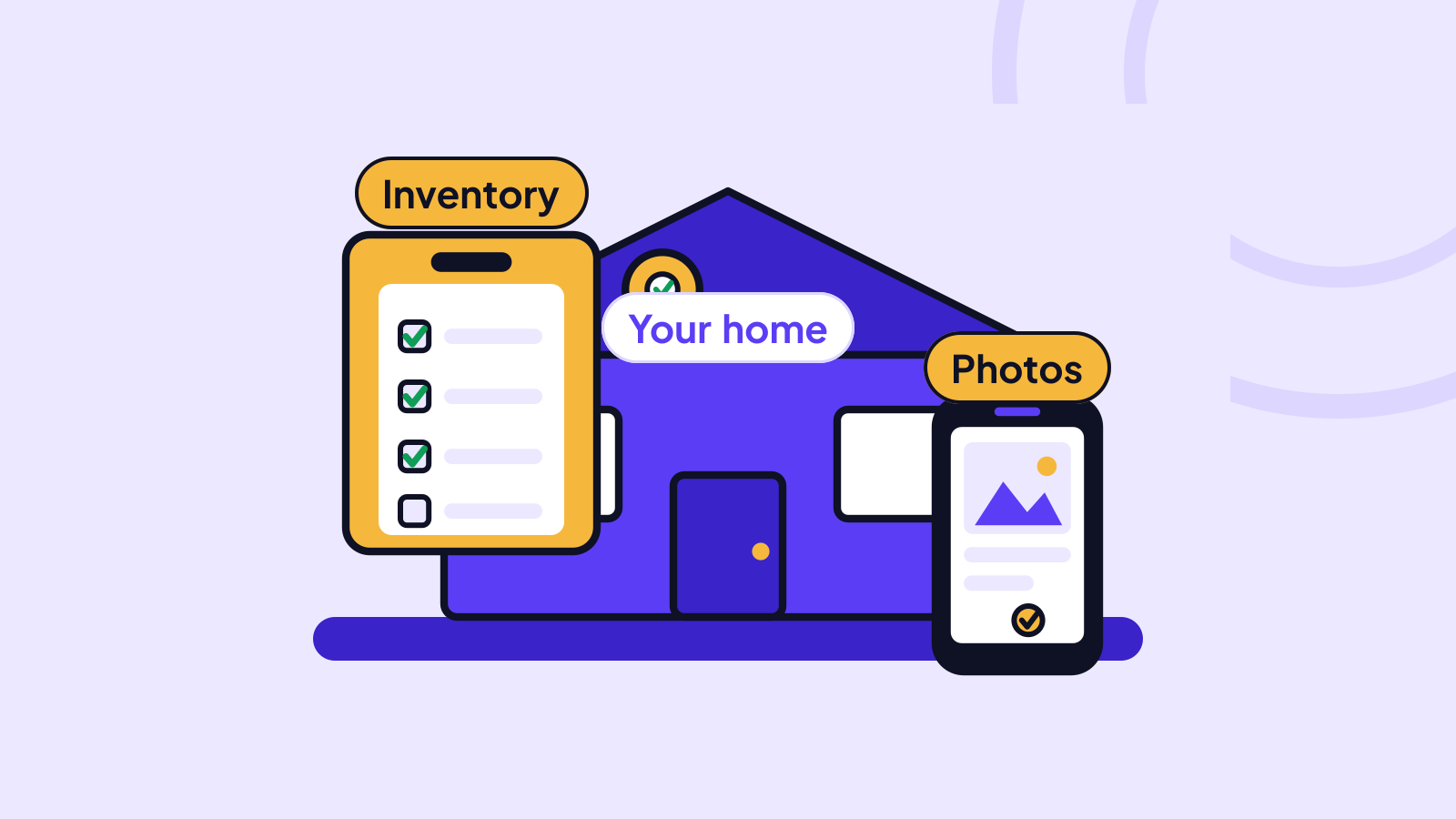
- List what you own. Walk through each room and note down items, brands, model numbers, and roughly when you bought them. Photos help a lot later.
- Estimate replacement cost. Use current prices, not old receipts, since prices for electronics and appliances have moved up over time.
- Log it for free. Build your list in a vault before you commit to any premium. This gives you a clear record even if you decide to insure only part of it now.
- Choose what to insure. You do not have to cover everything at once. Many tenants start with the big-ticket items: TV, laptop, phone, generator, then add the rest later.
- Understand your excess. This is the amount you pay out of pocket on a claim. A higher excess usually means a lower premium, so pick a level that suits your budget.
What happens when you move house
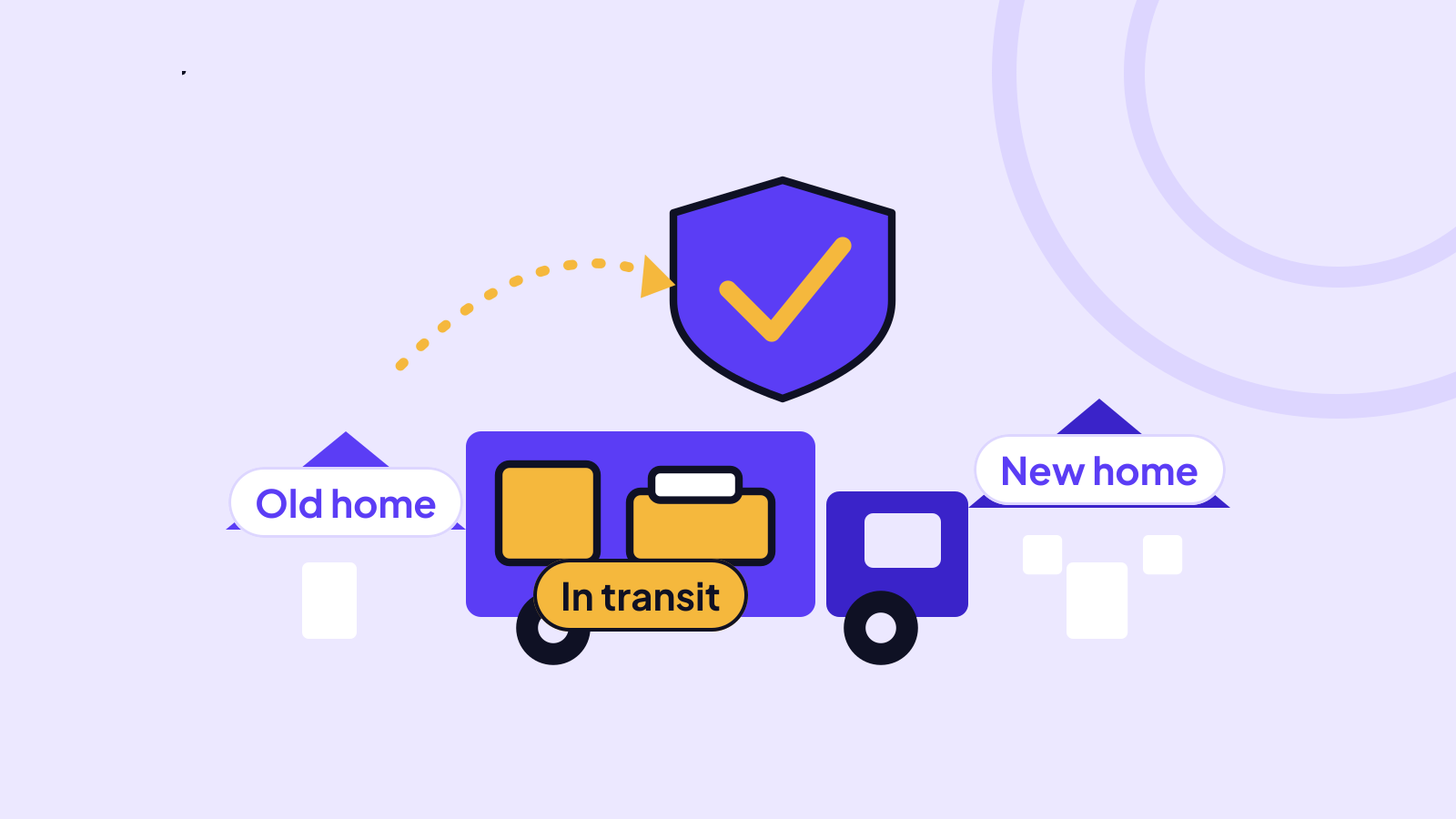
One underrated benefit of contents cover, as opposed to a landlord's building policy, is that it usually moves with you. If your lease ends and you relocate, your policy on your belongings can typically continue at the new address, sometimes with a simple update to your details. Always confirm this with your policy documents rather than assuming.
Claims: what you will need
If you ever need to claim, insurers will ask for proof of ownership and value: receipts, photos, serial numbers, and for theft, a police report. This is why logging your items properly from day one, rather than scrambling after a loss, makes such a difference. Our guide on documenting your valuables walks through exactly what to capture and how.
Start with a free vault
You do not need to insure everything today to start protecting what matters. Log your belongings in a VaultCova vault for free, see their current value, and insure the pieces you care about most when you are ready. If you want to talk through what makes sense for your rented home, Cova is on hand to help you figure it out.