Why a Home Inventory Is the Best Thing You Can Do This Weekend
A home inventory takes one weekend and protects you for years. Here is why it matters in Nigeria, how to do it in two short sessions, and how it makes any future claim far smoother.
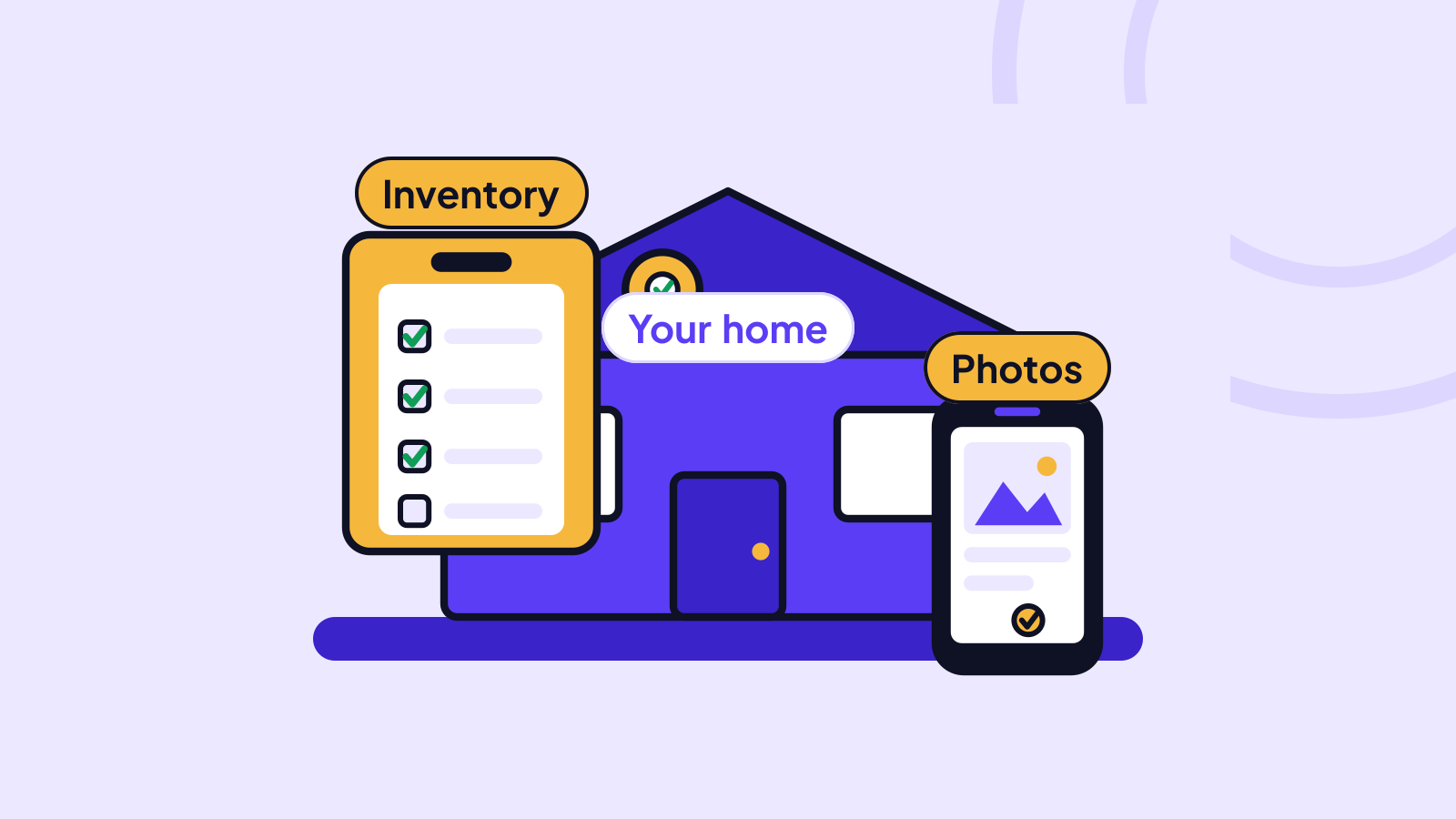
Most of us could not list what is in our living room, let alone the whole house. That is fine until a fire, a flood, a burglary or a power surge takes something. Then you are asked to prove what you owned and what it was worth, often while stressed and without a single receipt in sight.
A home inventory fixes that. It is a simple record of your belongings, and one weekend is enough to build a solid first version.
Why a home inventory matters more now
Three things make this worth doing soon rather than someday:
- Replacement costs keep moving. With a weaker naira, imported items such as phones, laptops, TVs, fridges and generators often cost much more to replace than when you bought them. If you do not know what you own, you cannot tell whether your values are still realistic.
- Everyday risks are real. Power surges, generator faults, flooding in the rains, theft and market or street fires are part of normal life, and they tend to hit several items at once.
- Our lives are more equipment-heavy. Remote work, side businesses and content creation mean more valuable gear at home than before.
Without a record, people tend to under-remember. They forget the second TV, the standing fan, the kitchen appliances, the tools. That means they under-insure, and underinsurance can cut a payout. You can read how in The Average Clause Explained.
What an inventory actually gives you
An inventory is useful even if you never buy insurance:
- A clear picture of your total value. Many people are surprised by how much their belongings add up to.
- Proof of ownership. Photos, serial numbers and receipts show that you owned the item.
- A faster claim. Claims need proof of ownership and value, and a police report if the loss is theft. If your proof is already organised, you are most of the way there.
- Better cover decisions. You can insure what matters most and set sensible values instead of guessing.
Session one: Saturday, walk and photograph (about 90 minutes)
Take your phone and go room by room. Do not try to be perfect.
- Start with a wide photo of each room, then open cupboards and drawers and photograph what is inside.
- Take close-ups of valuable items, including the brand label and the serial number or model plate. Fridges, TVs, generators, laptops, phones and cookers usually have these on the back or underside.
- Note the basics for each item: what it is, brand, model, roughly when you bought it and what you paid, if you remember.
- Do not forget the easy-to-miss areas: the store room, the kitchen, the wardrobe, the compound, the car boot and anything kept at a relative's place.
For tips on getting photos that will hold up, see How to Photograph and Document Your Valuables for a Claim.
Session two: Sunday, add proof and values (about 90 minutes)
Now turn your photos into a usable record.
- Gather receipts and proof of purchase. Check email, WhatsApp chats, bank and fintech app histories, and delivery confirmations. Screenshot them. A transfer record with the seller's name can help when a paper receipt is gone. More on this in Why receipts matter.
- Estimate replacement value. Ask what it would cost to buy the same or an equivalent item new today, not what you could sell it for. The difference is explained in Replacement value vs market value, and there is a practical method in How to value your assets for insurance.
- Mark your top items. Flag the ten that would hurt most to lose. These deserve the best proof and the most careful values.
- Save everything in one place, backed up outside your phone, so a stolen or flooded phone does not take your records with it.
If you want a ready structure, the household inventory checklist walks through it.
Keep it alive, not perfect
An inventory goes stale if you never touch it. A few habits keep it useful:
- Add new purchases when you buy them, with the receipt photo.
- Remove items you sell or give away.
- Review values now and then, especially for imported goods and electronics. How Often Should You Update the Value of What You Own? covers a sensible rhythm.
Where VaultCova fits in
You can log your items in a VaultCova vault for free, with photos, serial numbers and values in one place, and you only insure when you are ready. There is no pressure to buy cover just because you started a record.
If you later decide to insure, cover is provided by licensed underwriters, and VaultCova is not the insurer. Cova can quote your exact figure based on what you have logged. You also get a 14-day cooling-off period with a pro-rata refund if you change your mind. Your vault then becomes the evidence you need if you ever make a claim.
Your next step
Pick a two-hour slot on Saturday and another on Sunday. Start a vault, log your top ten items first, and ask Cova if you have questions about values or cover. Your future self will thank you.