Insuring a Small Shop in Nigeria: Fire, Theft and Stock in One Policy
A small shop faces fire, break-ins, power surges and flooding every season. Here is how to combine stock, fittings, equipment and cash into one sensible policy, and how to avoid being underinsured.
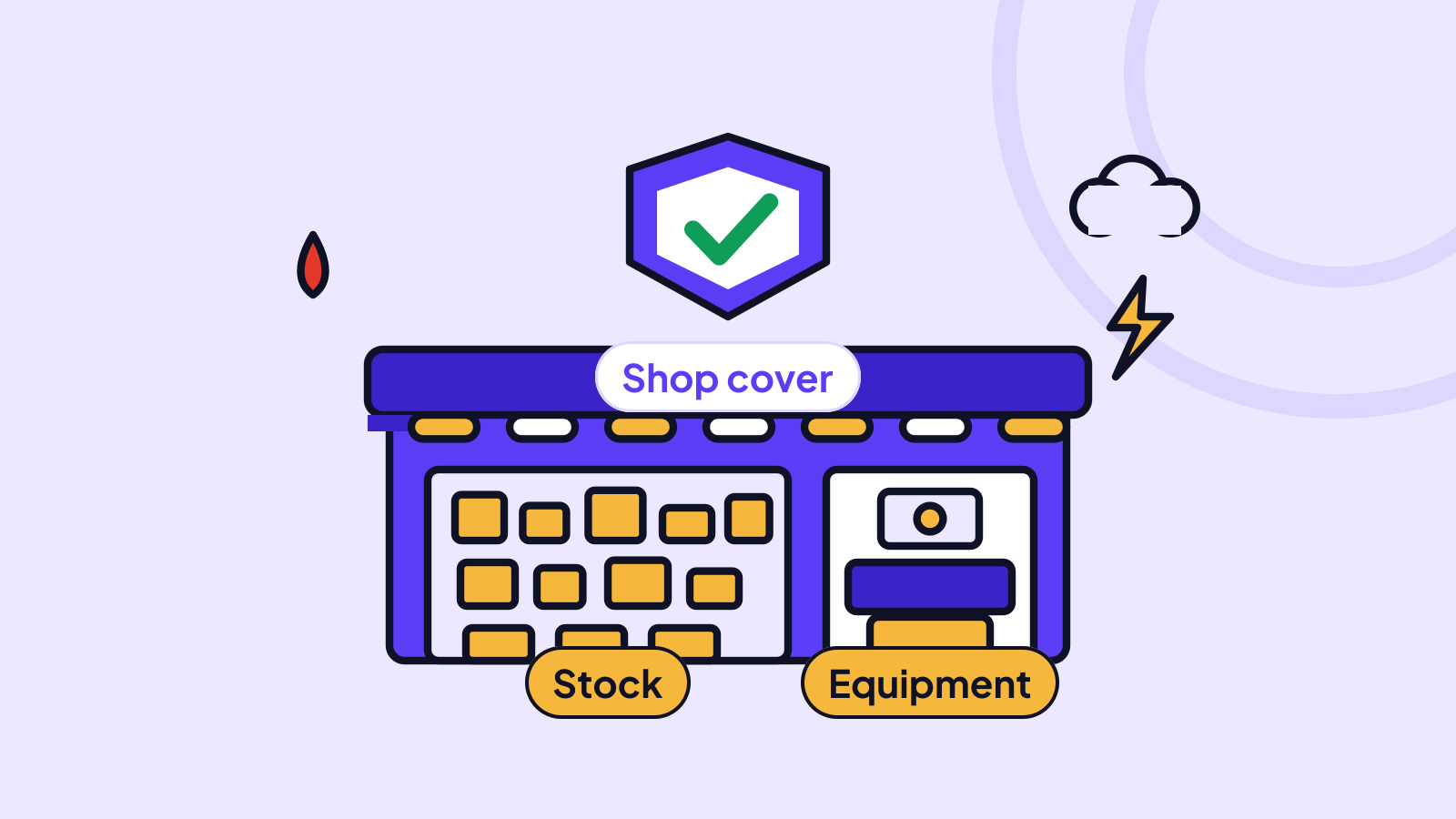
A small shop is often a family's whole income. One market fire, one night break-in or one flooded weekend can wipe out stock that took years to build. The good news is that you do not need five separate policies to protect it. Many shop covers bring the main risks together in one policy, arranged through licensed underwriters who carry the risk.
What a shop policy usually brings together
Exact wording varies by underwriter, so always read the schedule. In general, a shop package can include several sections:
- Fire and special perils: fire, lightning, explosion and often named perils such as flood or storm damage.
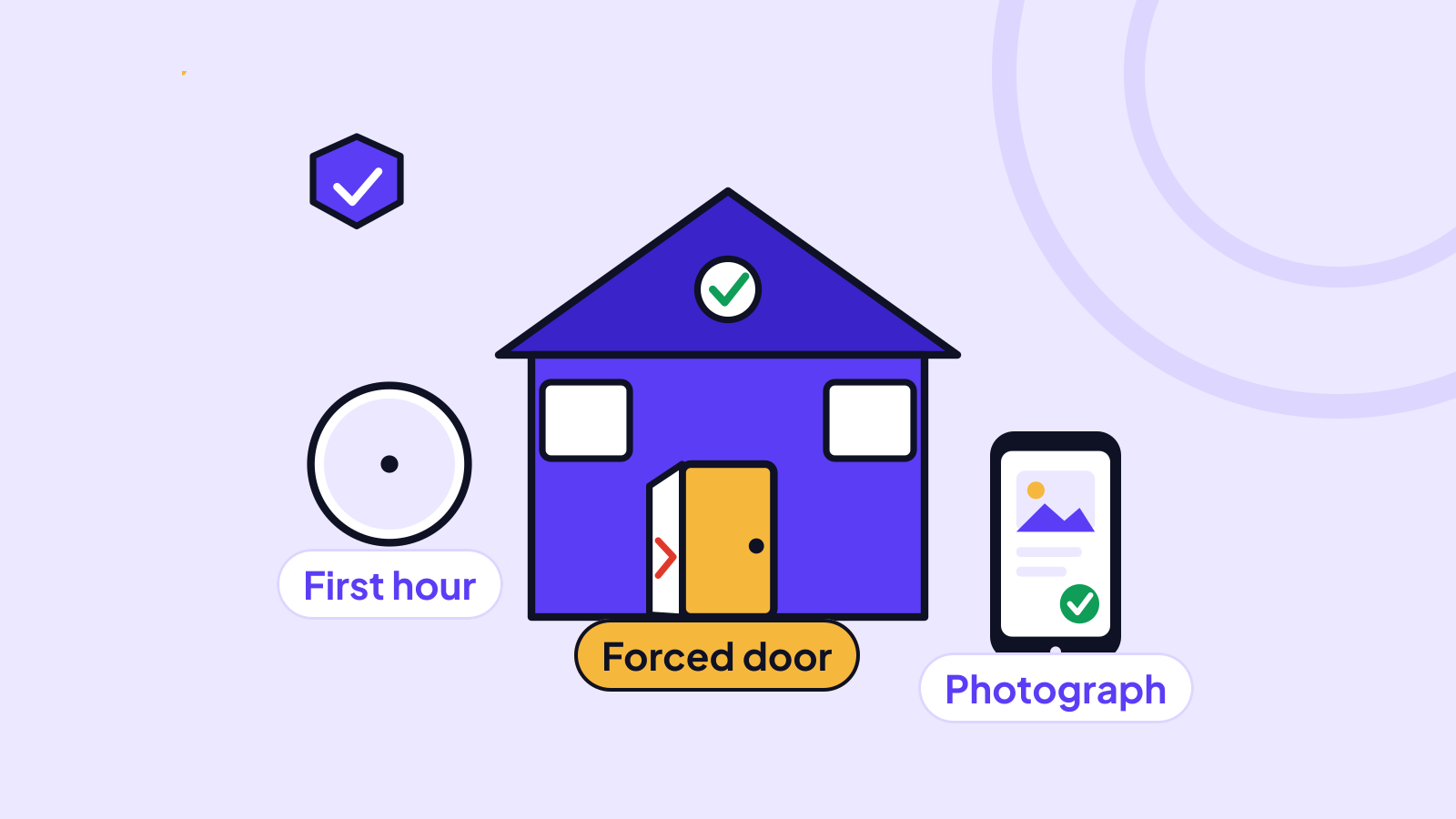
- Burglary and theft: loss or damage from forced entry.
- Stock: the goods you hold for sale.
- Contents and fittings: shelves, counters, freezers, signage, furniture.
- Electronic equipment: POS machines, laptops, phones, CCTV and similar items.
- Money: cash in a safe or in transit to the bank, usually with limits.
- Public liability: if a customer is injured on your premises and claims against you.
You do not have to take every section. Start with the risks that would hurt most, then add more as the business grows. For a wider view of business cover, see /insurance/business-insurance-nigeria and /insurance/fire-insurance-nigeria.
Know what you are insuring: stock, fittings and equipment
Most shop owners think only of stock. In reality, three separate groups of items need a value:
- Stock: what it would cost to restock today, not what you paid last year.
- Fittings and furniture: shelves, display units, generator, fridges, air conditioners.
- Equipment: POS terminals, computers, phones, CCTV.
If you want a deeper dive on stock alone, read /resources/how-to-insure-business-stock-and-inventory-nigeria. If your shop depends on a generator, /resources/how-to-insure-your-generator-in-nigeria is worth a look too.
Insure at replacement value, and keep it current
This is where many shops go wrong. With a weaker naira and rising import and supplier prices, the same shelf of goods often costs more to replace than it did when you set up your cover. If you insure stock at last year's cost, you may be underinsured without realising it.
Underinsurance matters because of the average clause. If your stock is worth N10 million to replace but you insured it for N6 million, an underwriter may treat you as having carried part of the risk yourself. Your payout on even a small claim can be cut in proportion. You can read the full explanation in /resources/average-clause-underinsurance-payout-nigeria.
A few habits help:
- Value items at replacement value, not resale value. See /resources/replacement-value-vs-market-value.
- Review your stock figure when your shelves fill up, for example before festive seasons.
- Update values after major price changes. /resources/how-often-update-value-of-what-you-own explains a sensible rhythm.
If your stock level swings a lot through the year, tell Cova. Some policies can be arranged to reflect seasonal peaks, but this depends on the underwriter.
Think about the risks your shop actually faces
Generic advice is not enough. Look at your own street and building:
- Fire: shared walls, crowded markets, overloaded sockets and stored fuel raise the risk.
- Power surges: unstable supply and generator switching can damage fridges, POS machines and computers.
- Flooding: ground-floor shops in low areas are exposed during the rains. See /resources/flooding-nigeria-nimet-warnings-prepare-insure-assets.
- Theft: after-hours break-ins, and sometimes staff or customer theft, which may be treated differently by policies.
Ask what is excluded. Common examples include theft with no sign of forced entry, wear and tear, gradual damage and stock left unprotected in unsafe conditions. Knowing this upfront avoids unpleasant surprises.
Understand the excess
Most policies carry an excess, the amount you pay yourself on each claim before the underwriter pays the rest. A higher excess can lower the premium, but make sure it is an amount you could comfortably find on a bad day. More detail is in /resources/what-is-insurance-excess-how-it-works.
Build your proof before you need it
When you claim, you must show that you owned the items and what they were worth. For a shop, that means:
- Supplier invoices and receipts for stock and equipment
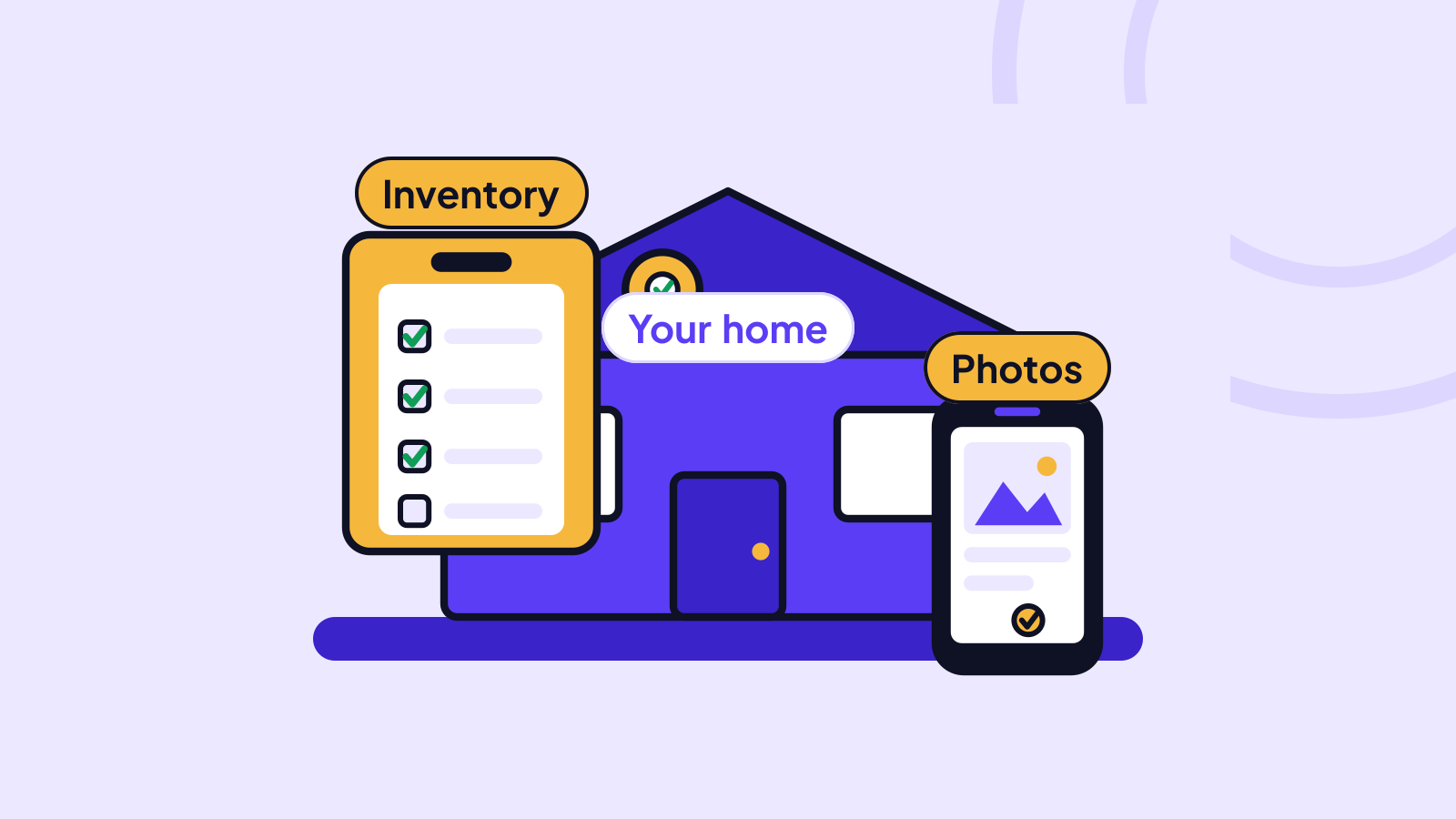
- Photos of your shelves, storeroom and shopfront, ideally dated
- Serial numbers for electronics and appliances
- A simple stock list updated regularly
For theft, you will also need a police report. For fire, keep any report from the fire service or local authority. The guide to /resources/how-to-photograph-and-document-your-valuables-for-a-claim will help you capture the right detail, and /resources/how-to-file-insurance-claim-nigeria-step-by-step walks through the process.
Remember that digital records help most when the shop itself is damaged, so keep copies off the premises.
How it works with VaultCova
You can log your stock, fittings and equipment in a vault for free, with no commitment. When you are ready to insure, Cova quotes your exact figure based on what you have logged, and cover is provided by licensed underwriters. If you take out more than one cover at the same time, a bundle saving may apply, but it applies to your first cover only.
After you buy, there is a 14-day cooling-off period. If you change your mind in that window, you get a pro-rata refund.
Start with a simple list
You do not need perfect records today. Walk through your shop, photograph each section, note the replacement cost of what you see, and save your invoices. Then start a vault and talk to Cova about the cover that fits your shop.