Jewellery Insurance in Nigeria: What You Need to Know
Gold and diamond prices keep climbing and so do replacement costs. Here is how to properly value, document and insure your jewellery in Nigeria before something goes wrong.
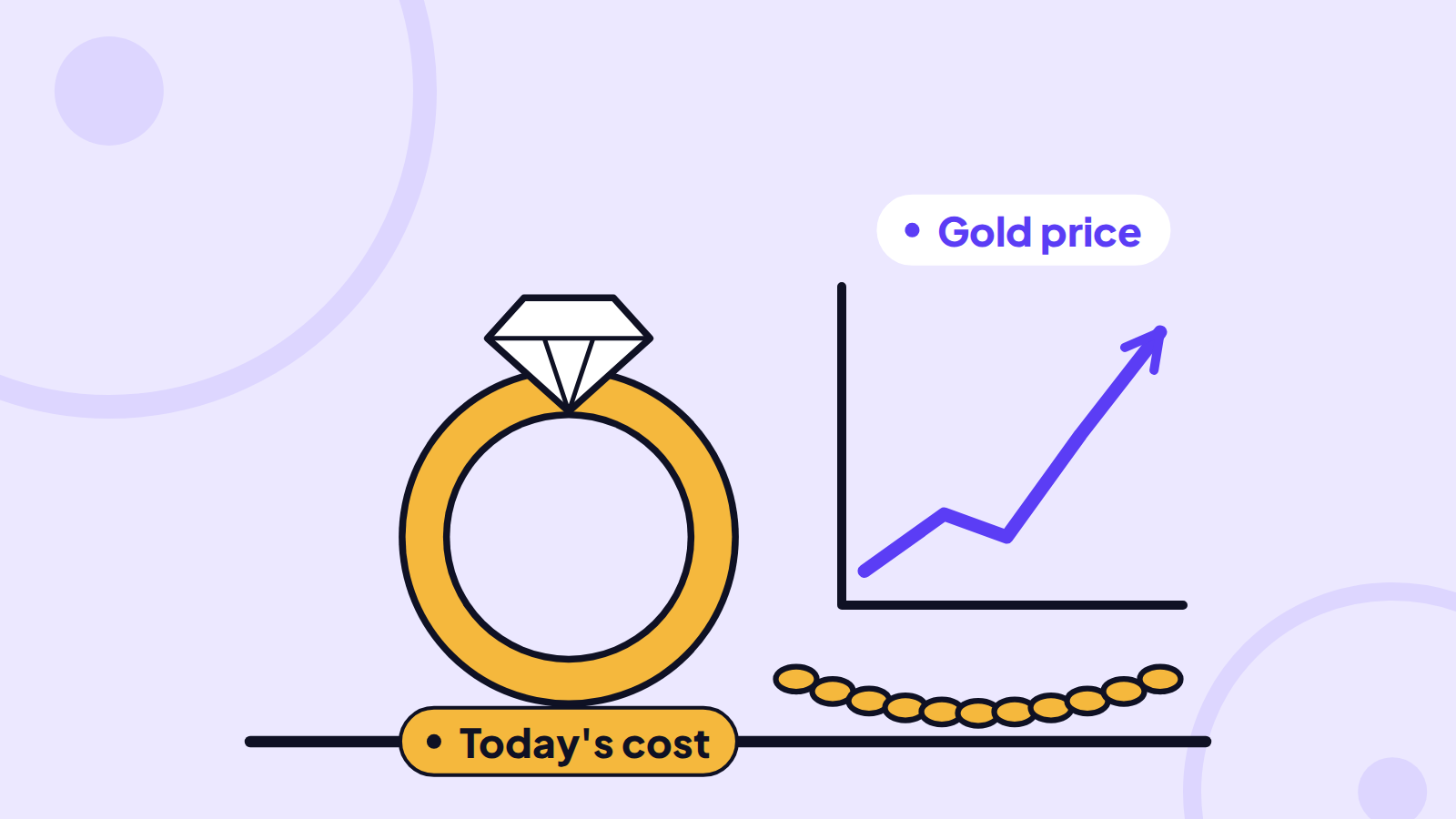
Jewellery is one of those things people own for years without ever thinking about insuring, until it goes missing at a wedding, gets swiped during a burglary, or is lost in traffic. With gold and diamond prices rising steadily and the naira cost of replacing anything imported climbing with it, that gold chain or engagement ring is worth a lot more today than when you bought it. If your cover does not reflect that, you are underinsured without knowing it.
Why jewellery needs special attention
Most standard home contents policies either exclude high value items like jewellery or cap what they will pay for any single piece, sometimes at a fairly low amount. That means your everyday household cover might pay out a fraction of what your wedding set or gold jewellery collection is actually worth.
Jewellery also has a few features that make it different from a TV or a laptop:
- It is small, portable and easy to lose or have stolen.
- Its value depends heavily on materials, purity and craftsmanship, not just brand or age.
- Prices for gold and precious stones move independently of the naira, so values can rise even if you never touch the piece.
- It is often worn outside the home, in transit, at events, at work, which adds risks that pure home cover does not always follow.
Because of this, jewellery either needs to be specifically listed and valued in your policy, or covered separately, so it is not lumped in under a general contents limit that was never designed for it.
Getting the value right
The starting point is an honest, current valuation. A few ways to do this:
- Get a written valuation from a reputable jeweller or gemologist, ideally one that states carat weight, purity and current replacement cost.
- Keep the original purchase receipt if you have it, even if it is old, since it helps establish provenance.
- If a piece was inherited or gifted and there is no receipt, a professional valuation becomes even more important.
- Revisit valuations every couple of years, since gold and gemstone prices do not stay still. Our guide on /resources/how-to-value-your-assets walks through this in more detail.
Always insure for replacement value, meaning what it would cost to buy an equivalent piece today, not what you paid for it years ago or what it might fetch second-hand. This matters a lot for jewellery specifically, because the gap between old purchase price and current replacement cost tends to be wide.
Understanding the average clause here
If you insure jewellery for less than its true current value, most policies will not simply pay out the shortfall difference when you claim. Instead, the average clause reduces your payout proportionally. Insure a ring for half its real worth and you may only recover half your claim, even after paying an excess. This is one of the more painful surprises in jewellery claims, precisely because values move quickly and people forget to update them. Keeping your logged value current is the simplest way to avoid this trap.
Documentation that protects you later
When it comes time to claim, the underwriter will want proof of both ownership and value. Good documentation includes:
- Clear photos of each piece, ideally with any hallmark or engraving visible.
- The written valuation or purchase receipt.
- Any certificates for stones, such as diamond grading reports.
- A note of where and how the piece is usually stored or worn.
For theft claims, a police report is essential, so file one as soon as you notice something is missing. See our guide on filing a claim step by step for the full process.
Practical steps to reduce risk
Insurance is not a reason to be careless. A few habits lower your risk and can help your claim go smoothly if the worst happens:
- Store jewellery in a proper safe when not worn, not in an obvious drawer.
- Avoid posting photos that clearly show your jewellery collection alongside details of where you live.
- Keep valuations updated, especially after any big move in gold or diamond prices.
- Consider separating everyday pieces from special occasion items in how you store and log them.
Insuring your jewellery with VaultCova
On VaultCova, you can log your jewellery for free first, with photos, valuation and any certificates attached to each item. When you are ready, you can arrange cover through our licensed underwriter partners for the exact value you have logged, not a generic estimate. There is a 14-day cooling-off period with a pro-rata refund if you change your mind, and bundling first-time cover with other items can earn you a saving.
Start a vault, add your jewellery with proper photos and valuations, and talk to Cova whenever you are ready to protect it properly.