What to Do in the First Hour After a Burglary in Nigeria
A burglary is stressful, and what you do in the first hour affects your safety, the police investigation and any insurance claim. Here is a calm, practical checklist for Nigerian homes and shops.
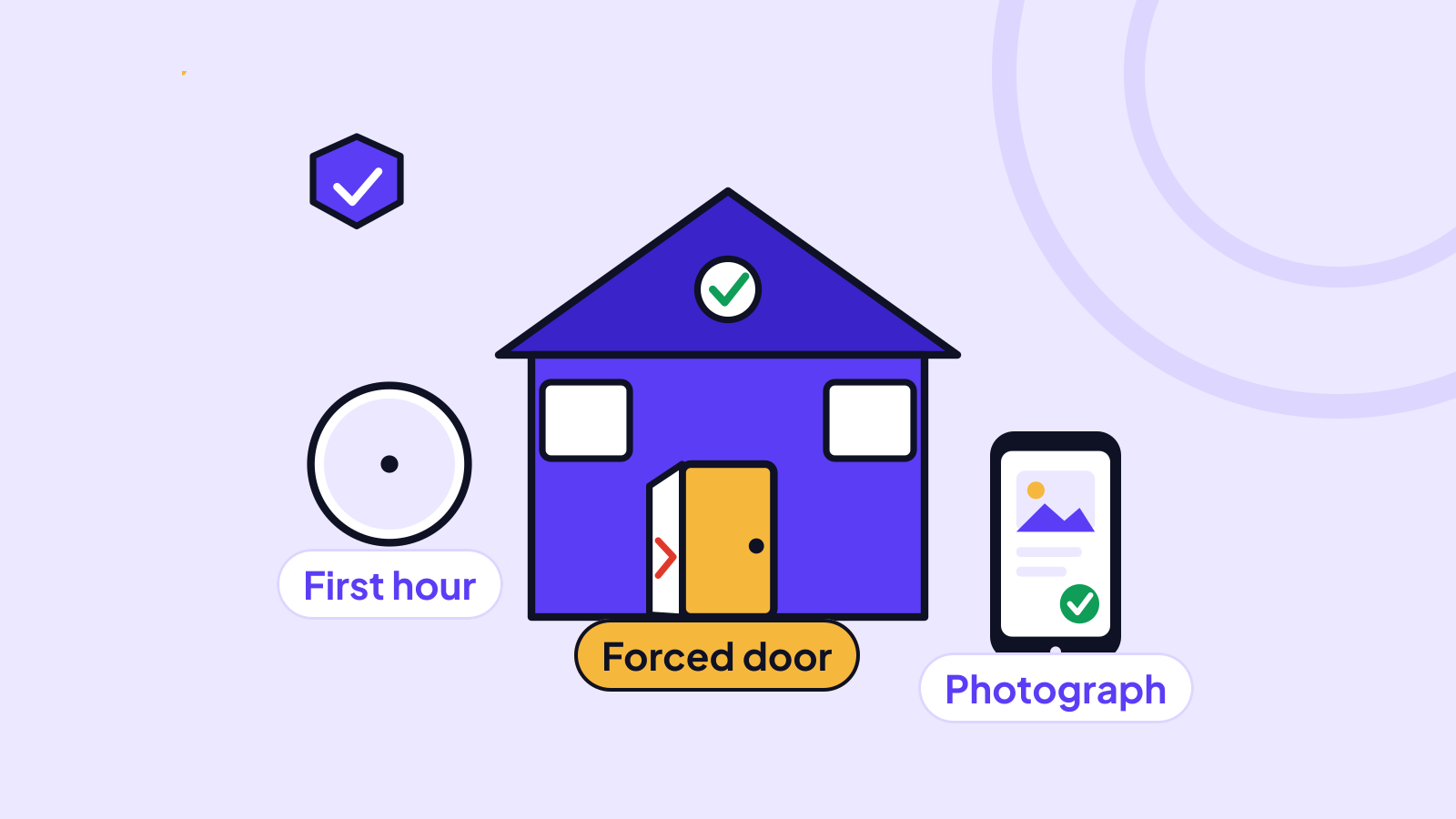
Coming home to a forced door or a ransacked shop is frightening. Most people either rush in to tidy up or freeze. Neither helps. The first hour is about staying safe, protecting evidence and starting the paperwork while details are fresh. Here is a simple order to follow.
Minutes 0 to 10: Safety first
Your safety matters more than any item. If you arrive and the door is open or you hear movement, do not go in.
- Step back to a safe place, such as a neighbour's compound or the street.
- Call the police or your local emergency line, and alert estate security or your landlord if you have them.
- Stay out until you are sure nobody is still inside.
- If you were inside when it happened, get yourself and your family to safety before anything else.
Stuff can be replaced. You cannot.
Minutes 10 to 25: Do not tidy up
Once it is safe to enter, resist the urge to clean up. Drawers pulled out, broken locks and muddy footprints are evidence.
- Avoid touching doors, windows, cabinets and anything the thief may have handled.
- Do not throw away broken items or packaging.
- Keep children and visitors out of the affected rooms.
If the police are on their way, wait for them before moving things around.
Minutes 25 to 40: Photograph and list
Before anything moves, take your phone and record the scene. Wide shots first, then close-ups of the point of entry, broken locks, forced windows and disturbed rooms. A short video walk-through works well too.
Then write a first list of what is missing. It does not need to be perfect. Note:
- The item, brand and model
- Roughly when you bought it and what it cost
- Serial numbers or IMEI numbers, if you have them
If you already keep a vault or inventory, this is where it pays off. Open it and mark what is missing. If not, our household inventory checklist will help you rebuild one later, and our guide to photographing and documenting your valuables shows what good proof looks like.
Minutes 40 to 50: Lock down your digital life
Phones, laptops and wallets often hold more value than the hardware itself. Act quickly on anything stolen.
- Call your network to block the SIM, and ask your bank or fintech apps to restrict access.
- Freeze or block stolen bank cards, and change your banking and wallet passwords from another device.
- Sign out of email, social media and cloud accounts remotely.
- Use "find my device" features if they were switched on.
- Dial *#06# on a similar phone, or check the box or receipt, to find the IMEI of a stolen phone. You will need it for the police and any claim.
Do this early. A stolen phone with an open banking app is a bigger problem than the phone.
Minutes 50 to 60: Report it and tell your insurer
Make sure the burglary is reported to the police, and ask how to get a written police report or extract. For theft claims, a police report is normally required. Our guide on whether you need a police report to claim for theft explains why and what to expect.
Then contact your cover provider promptly. If you are insured through VaultCova, talk to Cova as soon as you can. Cover is provided by licensed underwriters, and early notice helps the claim move without avoidable delays. Do not wait until you have the full list.
Protect the property, and keep every receipt
After the police have finished, secure the place so the loss does not grow.
- Board up or temporarily fix broken doors and windows.
- Change or re-key locks if keys were taken.
- Keep receipts for emergency repairs and a locksmith.
- Do not dispose of damaged items until you have been told you can.
When you claim, expect to show proof of ownership and value: receipts, photos, serial numbers and a police report. Our piece on why receipts matter covers how to prove ownership when paper receipts are gone. Also remember that any policy may carry an excess, the part of a loss you pay yourself, and that underinsured items can reduce a payout. With replacement costs rising, keep values current. See how often to update the value of what you own.
For the full process after you have notified your provider, follow our step-by-step claims guide.
Be ready before it happens
Nobody plans for a break-in, but a little preparation makes the first hour far less chaotic. Log your belongings with photos, receipts and serial numbers while things are calm. Logging in a VaultCova vault is free, and you can insure when you are ready. If you would like to talk it through, start a vault and chat with Cova.