The Average Clause Explained: Why Underinsurance Cuts Your Payout
If you insure your property for less than its real replacement value, the average clause can reduce your claim payout by the same percentage you are underinsured. Here is how it works and how to avoid it.
The Average Clause Explained: Why Underinsurance Cuts Your Payout
Many Nigerians who hold insurance still get a shock at claim time. They assume that if their shop or home is insured, a loss will be paid in full. Then a fire happens, they file a claim, and the payout is far less than expected. The reason is usually a condition called the average clause, and it catches out more people than you would think.
What the average clause actually means
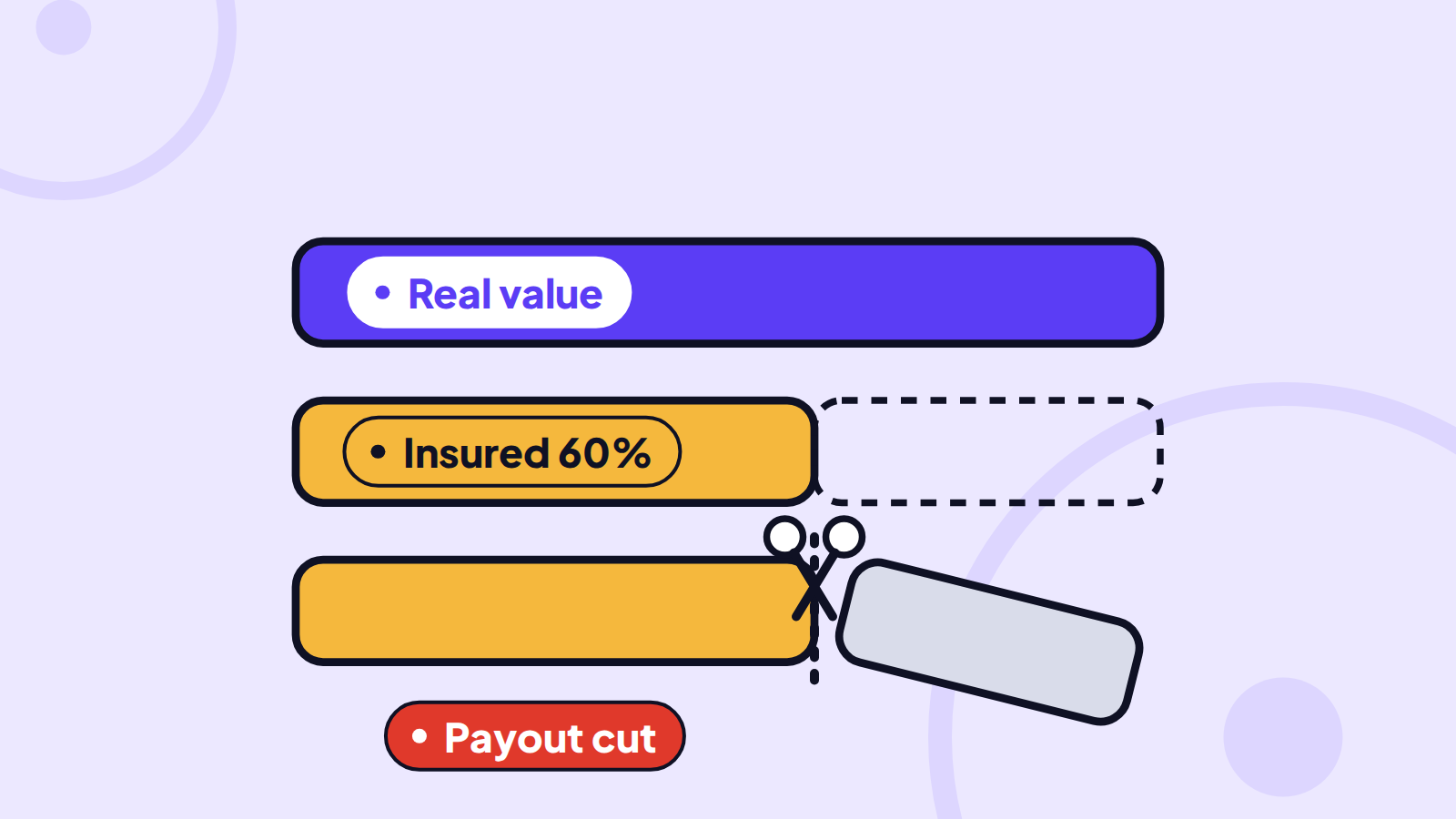
The average clause is a standard condition in most property, fire, and business insurance policies. It says that if you insure an item or a building for less than its true replacement value, your payout will be reduced in the same proportion as the shortfall.
Here is the simple formula:
Payout = (Sum insured / Actual replacement value) x Loss amount
So if your shop stock is actually worth 10 million naira to replace, but you only insured it for 6 million naira, you are insured for 60 percent of its true value. If a fire destroys goods worth 4 million naira, the underwriter will not pay 4 million. They will pay 60 percent of that, which is 2.4 million naira. You carry the rest of the loss yourself.
Why this matters more now than before
Replacement costs in Nigeria have been rising steadily, driven by currency depreciation, import costs, and general inflation. Many people set a sum insured years ago and never revisited it. A generator bought for 300,000 naira might now cost significantly more to replace. A shop stocked with imported electronics or building materials can see its true value rise fast, even if the quantity of stock stays the same.
This means a policy that was accurate when you bought it can quietly become underinsured over time, without you doing anything wrong. The average clause does not care why the sum insured is too low. It only compares what you insured against what things actually cost to replace today.
How to avoid being caught out
The fix is straightforward, even if it takes a bit of discipline:
- Insure for full replacement value, not the price you paid or the current market resale value.
- Review your sum insured at least once a year, and sooner if prices have moved a lot.
- For business stock, base the sum insured on your highest stock holding during the year, not your average or lowest.
- Keep receipts, invoices, and photos so you can support the value you have declared if a claim arises.
If you are unsure what replacement value looks like for your situation, our guide on how to value your assets walks through practical ways to estimate it, and the difference between replacement value and market value is worth understanding fully before you set any figure.
How this connects to the excess
The average clause and the excess are two separate things, but they both affect what lands in your account after a claim. The excess is the fixed amount or percentage you agree to bear on every claim, regardless of underinsurance. The average clause is a proportional reduction that only applies if your sum insured is too low. A badly underinsured policy can suffer both, first the average reduction, then the excess deducted from what is left. Getting your sum insured right protects you from the bigger of the two problems.
Getting it right with VaultCova
When you log an asset with VaultCova, you can update its value as often as you like, at no cost, before you decide to insure it. When you are ready to insure, Cova quotes based on the current figure you provide, which keeps you aligned with replacement value rather than an old, stale number. There is also a 14 day cooling off period on new cover, with a pro rata refund if you change your mind.
A quick habit that pays off
Underinsurance rarely happens on purpose. It creeps in quietly as prices rise and policies sit untouched. The best defence is a simple habit: check the numbers once or twice a year, keep your records current, and treat your sum insured as a living figure rather than something you set once and forget.
Start a free vault, log what you own with honest current values, and talk to Cova when you are ready to insure. It is a small habit that can save you a large shortfall the day you actually need to claim.