Flooding in Nigeria: How to Watch the Warnings, Prepare Your Home and Protect What You Own
Flooding is one of the most predictable disasters in Nigeria, yet it still catches households and small businesses off guard. Here is how to track the warnings, prepare your property and make sure your belongings are actually covered.
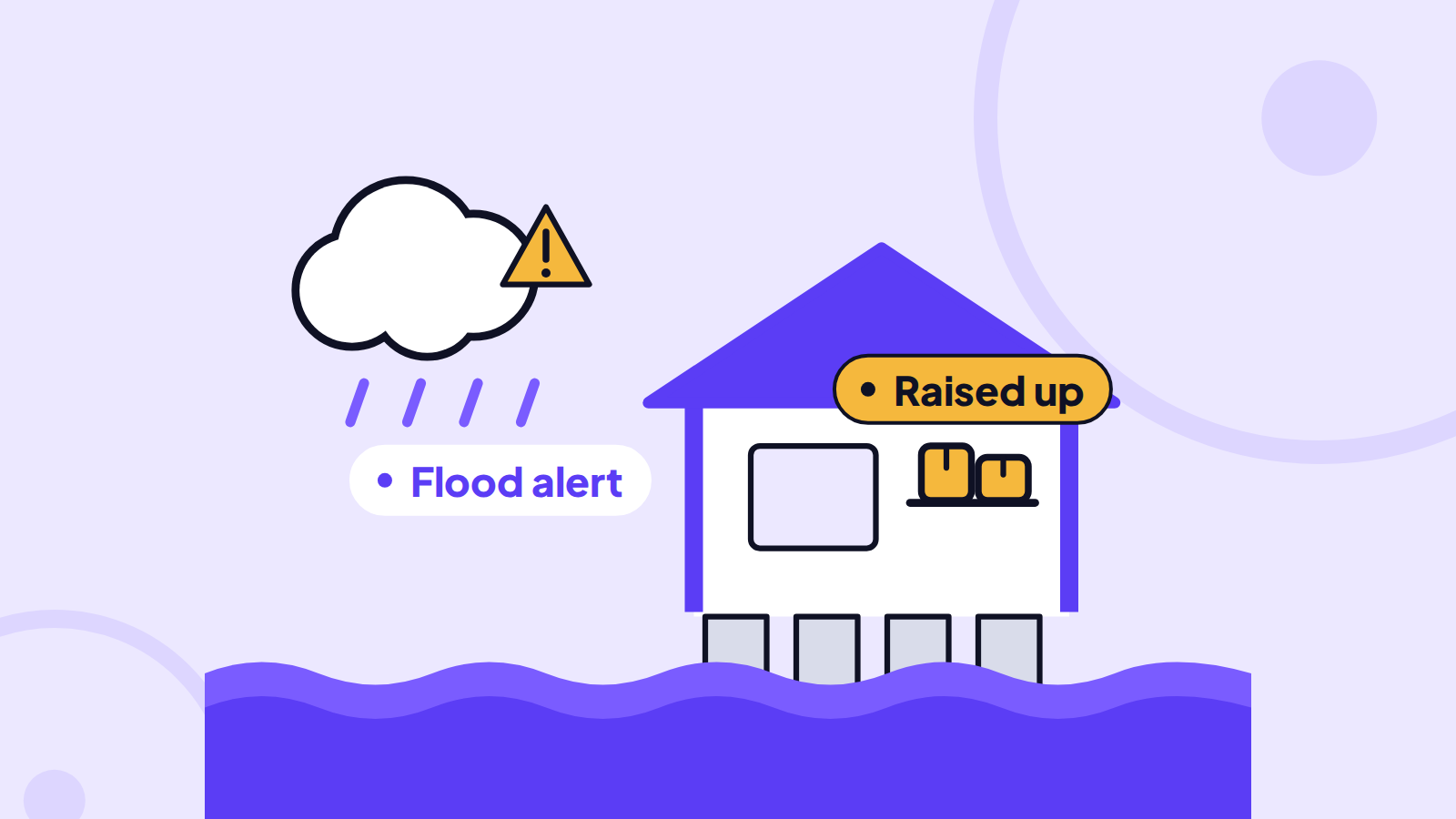
Every rainy season, the same story plays out somewhere in Nigeria. A river overflows, a drainage channel backs up, or a coastal town takes on water faster than it can drain. Cars are submerged, shops lose their stock, and families lose furniture, electronics and documents that took years to gather. Most of this damage is not a surprise. It is forecast months in advance, and the households that come through it best are usually the ones who paid attention early and prepared, both physically and financially.
Where to get real flood warnings
Nigeria has two agencies that publish flood information every year, and both are free to check.
- NIMET (Nigerian Meteorological Agency) releases the Seasonal Rainfall Prediction (SRP) before the rains start, showing which states can expect early, normal or late rainfall, and which areas are likely to see heavier than usual downpours.
- NIHSA (Nigeria Hydrological Services Agency) publishes the Annual Flood Outlook (AFO), which is more specific about flood risk. It names states and local government areas at high, moderate and low risk of flooding, based on river levels, dam releases and rainfall patterns.
Both are published on their official websites and widely reported by Nigerian news outlets when they come out. If you live near a river, in a low-lying part of a city, or in an area that has flooded before, it is worth checking these reports each year and taking your local government's risk level seriously, not just the national headlines.
Practical steps before the rains peak
You do not need to wait for a flood warning specific to your street. General preparation helps everywhere.
- Clear drainage around your home or shop. Blocked gutters and gutters full of refuse are one of the biggest causes of flooding in Nigerian towns, even during ordinary rain.
- Raise valuables off the floor. Generators, deep freezers, stock in a store room, and electronics should sit on blocks, pallets or shelving, not directly on the ground.
- Keep important documents in a waterproof bag or a raised cabinet. This includes land documents, vehicle papers and any insurance paperwork.
- Know your evacuation route if you are in a high-risk area, and agree on it with your household before the water rises, not during.
- Back up photos of your belongings and receipts to the cloud or your email, so a soaked phone or laptop does not also mean losing your proof of ownership.
Why flooding is a financial event, not just a physical one
The mess and disruption are only part of the cost. The bigger issue for most households is that flood losses tend to be large and sudden: a generator, a fridge, a wardrobe of clothes, a shop full of stock, all gone in the same afternoon. Without a record of what those things were worth, replacing them becomes a slow, expensive, out-of-pocket exercise.
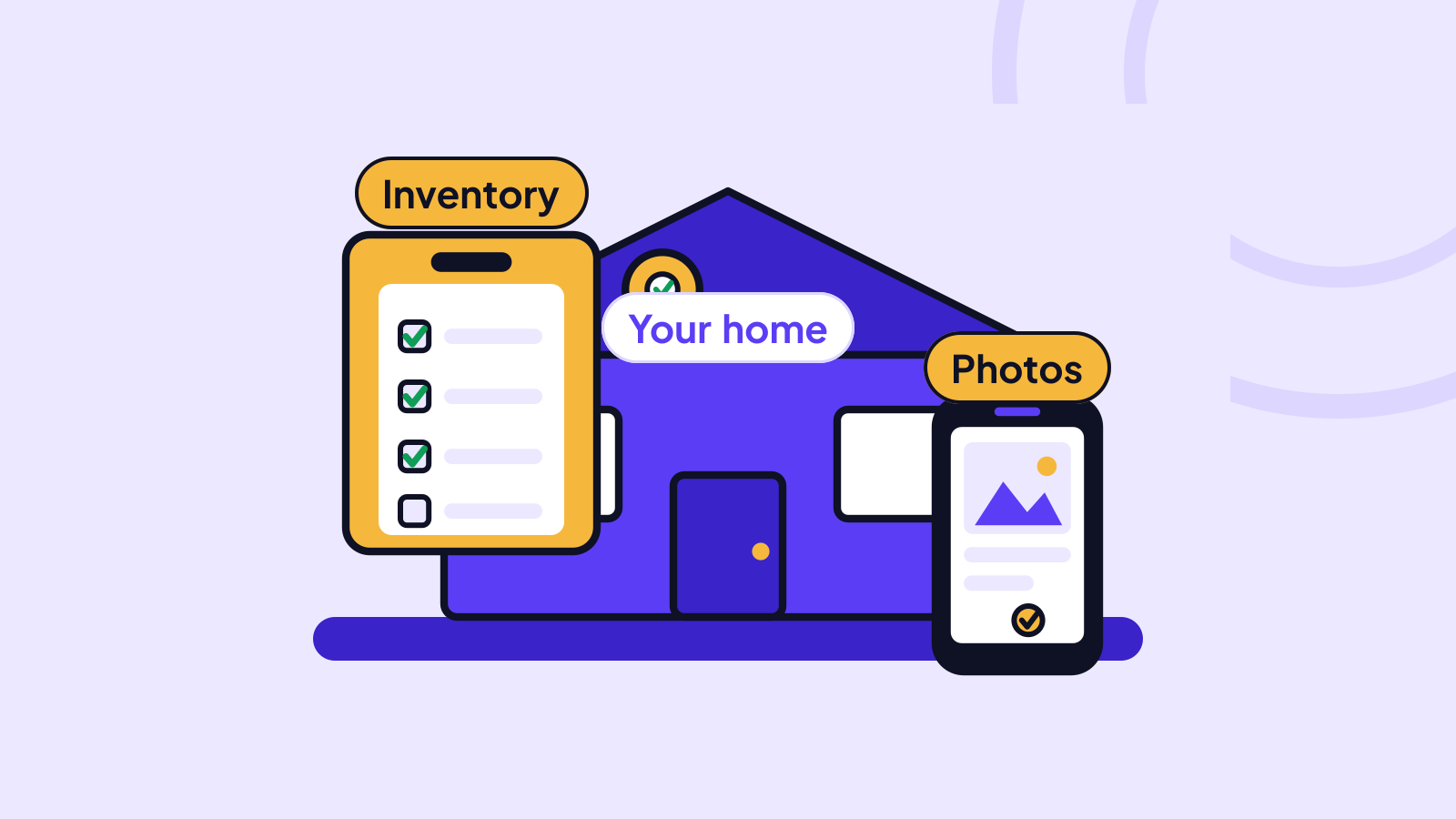
This is where a lot of people discover, too late, that they never actually knew the full value of what they owned. If you have not done this yet, a simple home inventory is the single most useful thing you can do before the next rainy season, flood risk or not.
Getting your assets ready to insure
Once your belongings are listed with honest, current replacement values, insuring them against flood and other risks becomes far more straightforward. On VaultCova, the process looks like this:
- Log your assets for free, room by room or item by item, with photos and receipts where you have them.
- Check the values regularly. With naira depreciation pushing up the cost of imported electronics and appliances, a generator or TV you valued two years ago is likely worth more to replace today. Insuring against replacement value, not the old market price, is what keeps the average clause from cutting your payout after a claim.
- Insure when you are ready. Cover is arranged through licensed underwriters, not VaultCova itself, so the risk sits with a regulated insurer.
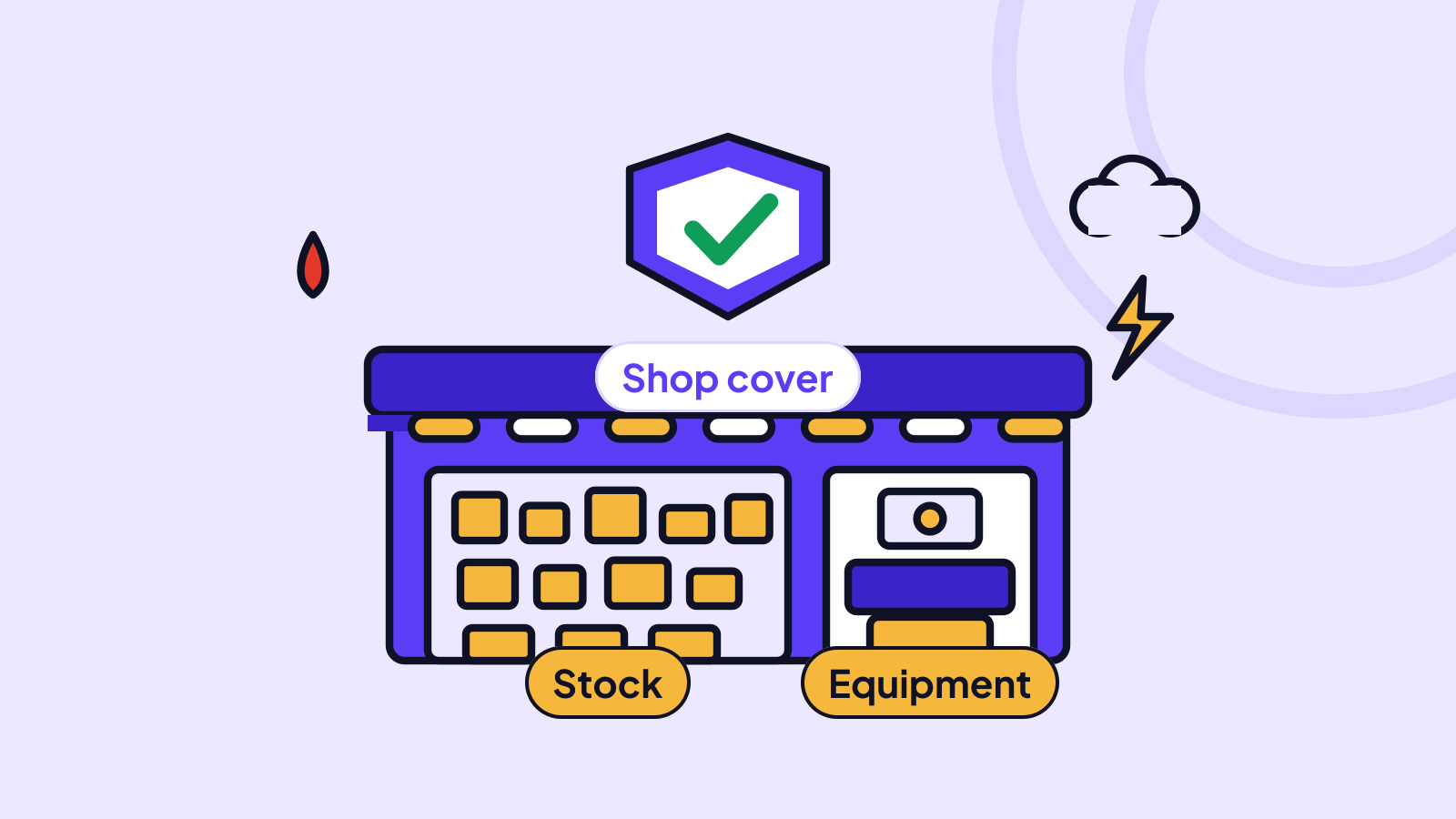
- Bundle your home contents, generator, electronics and shop stock together where it makes sense. Bundling on your first cover also earns a saving.
If a flood does hit, having dated photos, receipts and serial numbers already logged makes the claims process much faster. You will still need proof of ownership and value, but you will not be scrambling for it with wet floors and no power.
A small habit that pays off
Checking NIMET and NIHSA once a year takes a few minutes. Updating your asset values takes a few more. Neither guarantees the rain will stay away from your street, but together they mean that if it does come, you are not left rebuilding your life from memory.
Start a vault today, log what you own, and when you are ready, talk to Cova about turning that list into real cover.