How Often Should You Update the Value of What You Own?
With replacement costs rising, a sum insured that was right last year may now be too low. Here is how often to review your values, what triggers an update, and how to do it quickly.
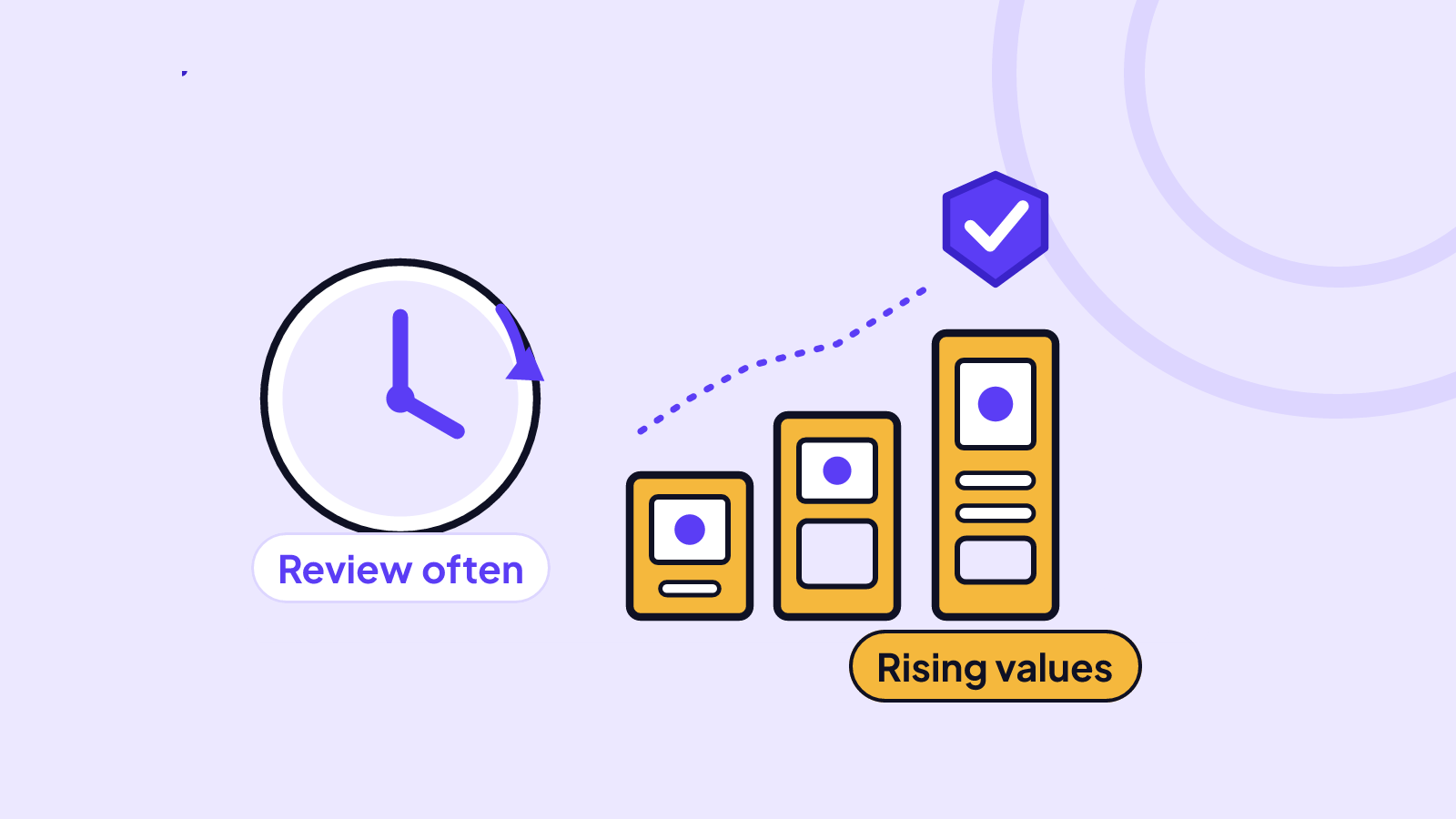
Most people set the value of their belongings once, when they first get cover, and never look at it again. In Nigeria today that can be a costly habit. When a weaker naira pushes up the price of imported phones, laptops, appliances and generators, the same item costs more to replace than it did when you bought it.
This guide explains how often to review your values, what should prompt an update sooner, and how to do it without it becoming a chore.
Why old values become a problem
Cover that pays on a replacement value basis aims to put you back where you were: a new equivalent item, not a discounted price for your old one. That only works if the amount you insured keeps pace with what things cost now.
If the value on your policy is lower than the true replacement cost, you are underinsured. Many policies apply the average clause in that situation, which means your payout is reduced in proportion to the gap. You can read the full explanation in The Average Clause Explained.
A simple example: if your items would cost twice as much to replace as the value you declared, a claim could be reduced to roughly half, even for a small loss. Exact treatment depends on your policy wording, so always check it.
A sensible review rhythm
For most households and small businesses, this rhythm works well:
- At least once a year: a full review of everything you have logged, ideally around your renewal date.
- Every six months for fast-moving items: imported electronics, generators, solar equipment, vehicles and business stock whose prices shift often.
- Quarterly for traders and shop owners: if your stock levels or supplier prices change a lot, a quick check every few months keeps you from carrying too little cover.
Think of it like checking your tyre pressure. It takes a few minutes and prevents a much bigger problem later.
Events that should trigger an update straight away
Do not wait for the calendar if any of these happen:
- You buy something significant: a new TV, laptop, fridge, generator, camera or piece of machinery.
- You receive a gift or inherit items: they count as things you own, even though you did not pay for them.
- You upgrade or renovate: new fittings, wardrobes, tiling, an inverter system or a solar setup.
- Prices jump noticeably: if the cost of a similar item has clearly gone up since you last checked, adjust.
- You start a side business or work from home: equipment and stock may need to be listed and valued differently from personal items.
- You sell, give away or lose something: removing items matters too, so you are not paying to protect what you no longer have.
How to check a value quickly
You do not need to be an expert. For each item:
- Find the current price of the same or a close equivalent from a trusted retailer, either online or in a shop you normally use.
- Use the price of a new item, not what you could sell yours for second-hand. The difference is covered in Replacement Value vs Market Value.
- Include delivery or import costs if you would realistically pay them to replace it.
- Update the figure and note the date and where you checked.
For a fuller walkthrough, see How to Value Your Assets for Insurance.
Keep your proof current as well
Updating the number is only half the job. If you ever claim, you will need proof of ownership and value, such as receipts, photos and serial numbers. When you replace or add an item, save the new receipt and take fresh photos while you are at it.
- Store receipts digitally so they survive fire, flood or a lost phone.
- Photograph the item and the serial number label.
- Keep a short note of any upgrades or repairs.
Our guides on why receipts matter and how to photograph and document your valuables cover this in more detail.
Will a higher value always mean a higher premium?
Usually, yes, because the underwriter is carrying more risk. But the extra cost is generally small compared with the risk of a reduced payout. Paying a little more for an accurate value is often better than saving on premium and finding out at claim time that the cover falls short.
If you want to keep costs sensible, see How to Lower Your Insurance Premium Without Cutting Your Cover.
Making it easy with a vault
Logging your belongings in VaultCova is free, and you can edit values whenever you need to. Many people find it easiest to review their vault on the same day each year, or whenever they make a big purchase. When you are ready to insure, cover is arranged through licensed underwriters, and Cova quotes your exact figure based on what you have logged. There is also a 14-day cooling-off period with a pro-rata refund if you change your mind.
If your values have not been touched in a while, now is a good time to start a vault and ask Cova to help you check them.