Specialist Compulsory Insurance in Nigeria: Petrol Stations, Containers and Other High-Risk Businesses
Beyond motor third party and workers' cover, some businesses face extra insurance requirements from regulators, ports and landlords. Here is how it works for petrol stations, containers and other high-risk operations.
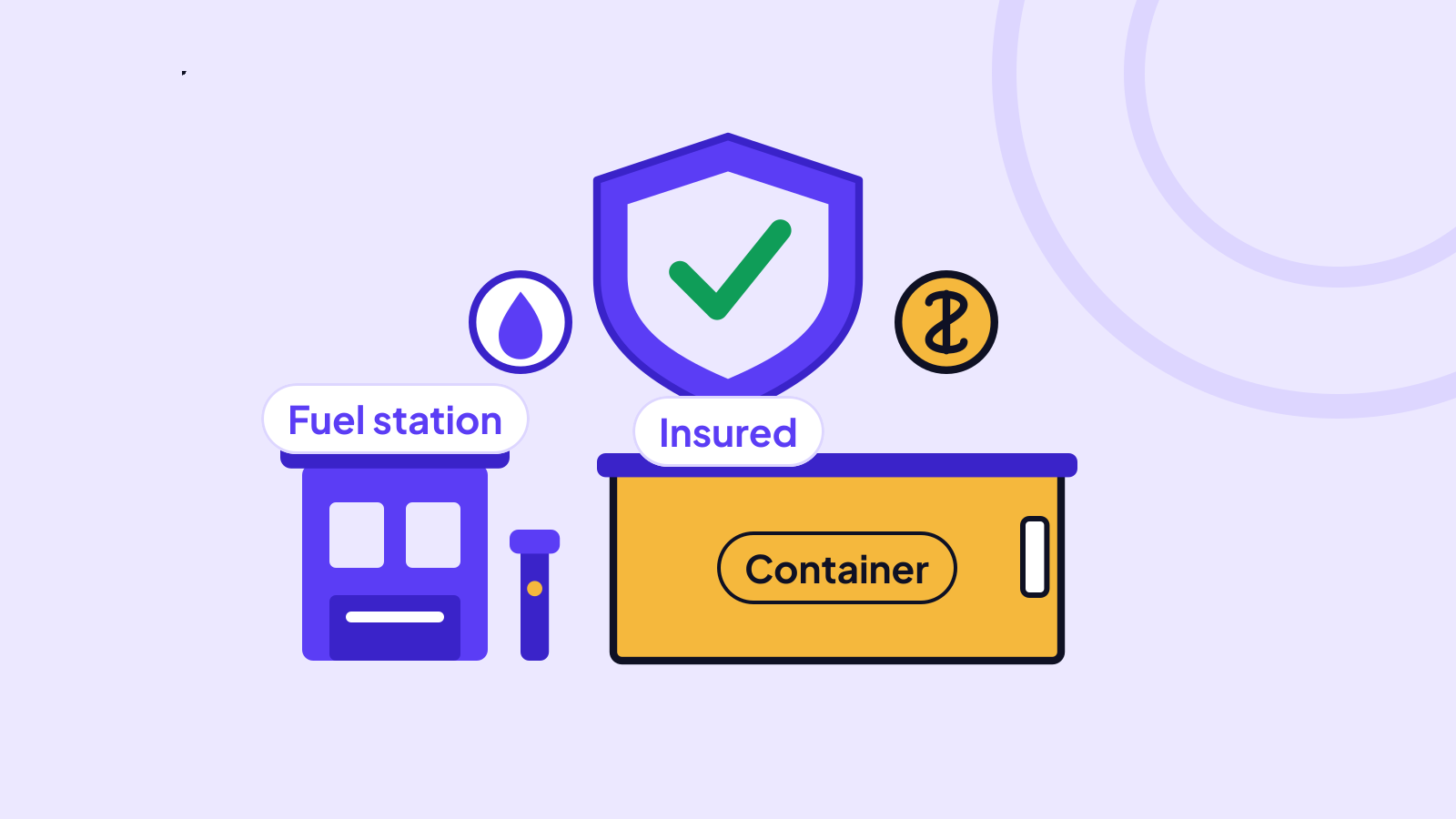
Our overview of compulsory insurance under the NIIRA Act 2025 covers the well-known requirements. This guide goes further and looks at specialist operators such as petrol stations, container owners and importers, where the rules come from several places at once.
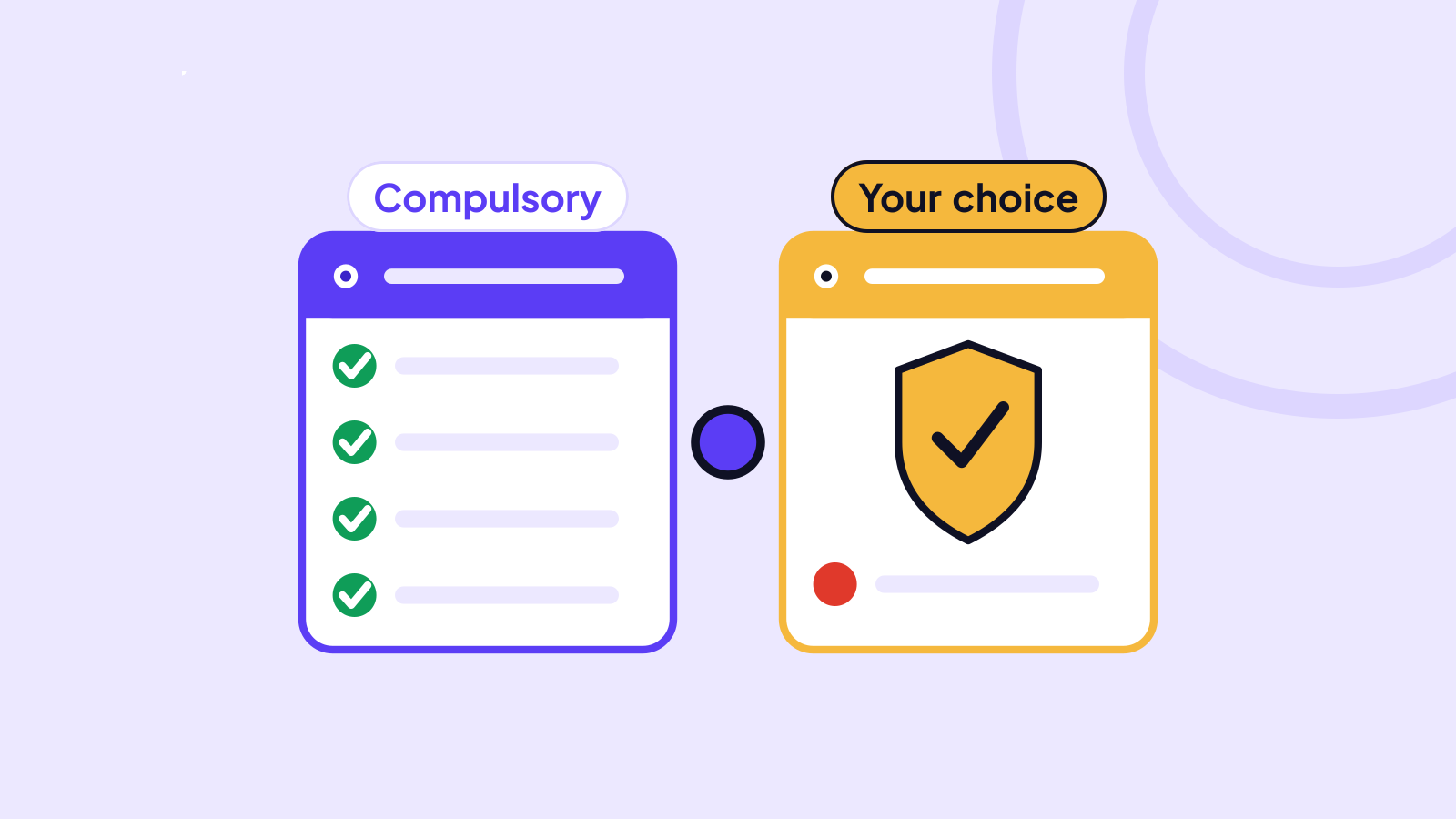
Three sources of "you must insure"
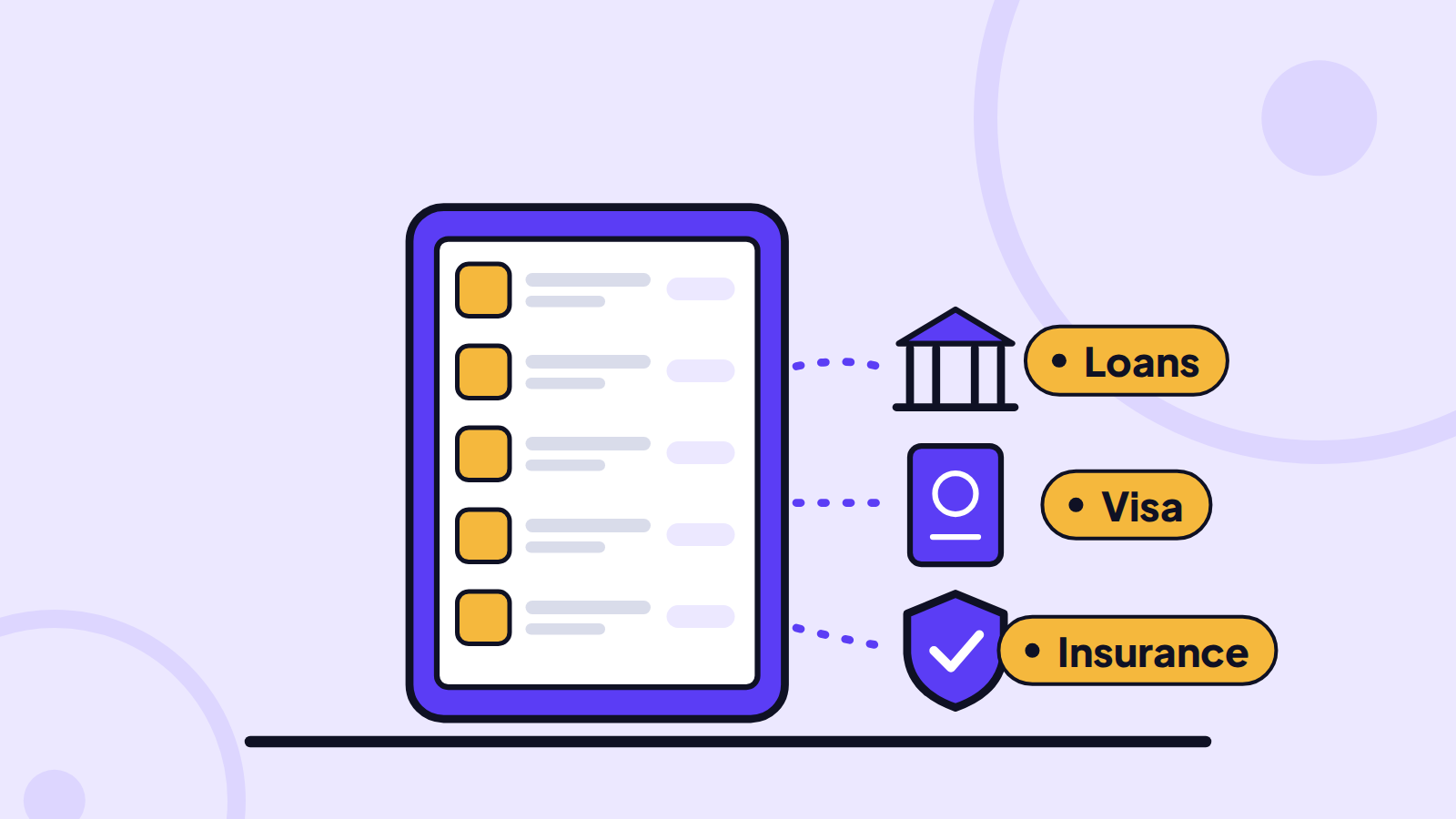
For high-risk businesses, the insurance requirement rarely comes from one law. It usually comes from three places:
- The insurance law itself. The statute lists certain classes that must be insured, such as third-party motor cover.
- Sector regulators and licensing bodies. Bodies that license fuel retail, health facilities or construction may attach insurance as a condition of approval.
- Contracts and commercial gatekeepers. Lenders, landlords, shipping lines, terminal operators and clients often will not deal with you without proof of cover.
The practical result is that something can be "not strictly compulsory by statute" and still be unavoidable for you. Always ask which of the three is asking.
Petrol stations and fuel storage
A filling station holds large volumes of flammable product, runs pumps and generators, and serves the public all day. That combination makes it one of the highest-risk premises you can operate.
Cover commonly expected for fuel retail includes:
- Fire and special perils on the buildings, canopy, pumps and tanks.
- Public liability, for injury or property damage to customers and neighbours.
- Employers' liability for attendants and staff.
- Stock cover for fuel held on site, including loss in transit from the depot.
- Burglary and money cover for daily takings.
- Business interruption, so income continues while repairs happen.
Whether each item is mandated by law or required as a licence or financing condition depends on your location, size and the current rules. Confirm the exact requirement with your licensing authority and the underwriter. Be ready for underwriters to ask about tank condition, earthing, fire-fighting equipment, staff training and housekeeping. Premiums and acceptance depend heavily on those answers. See our page on fire insurance in Nigeria for the basics.
Containers, cargo and port logistics
Containers raise two separate questions: what is inside, and the box itself.
The cargo. Goods coming into Nigeria are generally expected to be insured with locally licensed underwriters, and banks, clearing agents and trade finance providers will usually ask for a cargo certificate before they proceed. Cover can protect against loss or damage at sea, during handling and on the road to your warehouse. Read more on marine cargo insurance in Nigeria.
The container. If you own or lease containers, whether for shipping, storage or as a converted shop or office, the box is an asset in its own right. Lessors often require you to insure it against loss and damage while it is in your custody.
The movement. Haulage firms moving boxes from the port face goods-in-transit risk, commercial vehicle cover and public liability. Delays, theft, accidents and flooding at storage yards all show up in claims.
What to keep for any container claim:
- Commercial invoice and packing list
- Bill of lading and container number
- Photos at loading and at delivery
- Seal numbers and any damage notes signed on receipt
Other specialist operators to watch
A few more examples where requirements are tighter than for a typical small business:
- Construction sites. Cover for works under construction and liability to the public is commonly required, and clients often insist on it.
- Hospitals, clinics and clinicians. Professional indemnity is a major exposure, and facilities often need public liability as well.
- Hotels, event centres and other public buildings. Visitors on the premises create public liability risk, and landlords and licensors may ask for proof.
- Haulage and logistics fleets. Third-party motor is the floor. Goods in transit, comprehensive cover and driver-related risks sit above it. See car insurance in Nigeria.
- Oil and gas contractors. Contracts and local content expectations can dictate who insures what, and with whom.
NIIRA 2025 reformed the insurance law, and requirements and thresholds can be updated through regulation. Treat this article as a map, not legal advice, and check current rules before you rely on any detail.
How to find out what applies to you
- List your activities and assets: premises, stock, vehicles, staff, containers, equipment.
- Check your licences and contracts for insurance clauses. They are often buried in the conditions.
- Ask your lender, landlord or client exactly which cover and minimum limits they need.
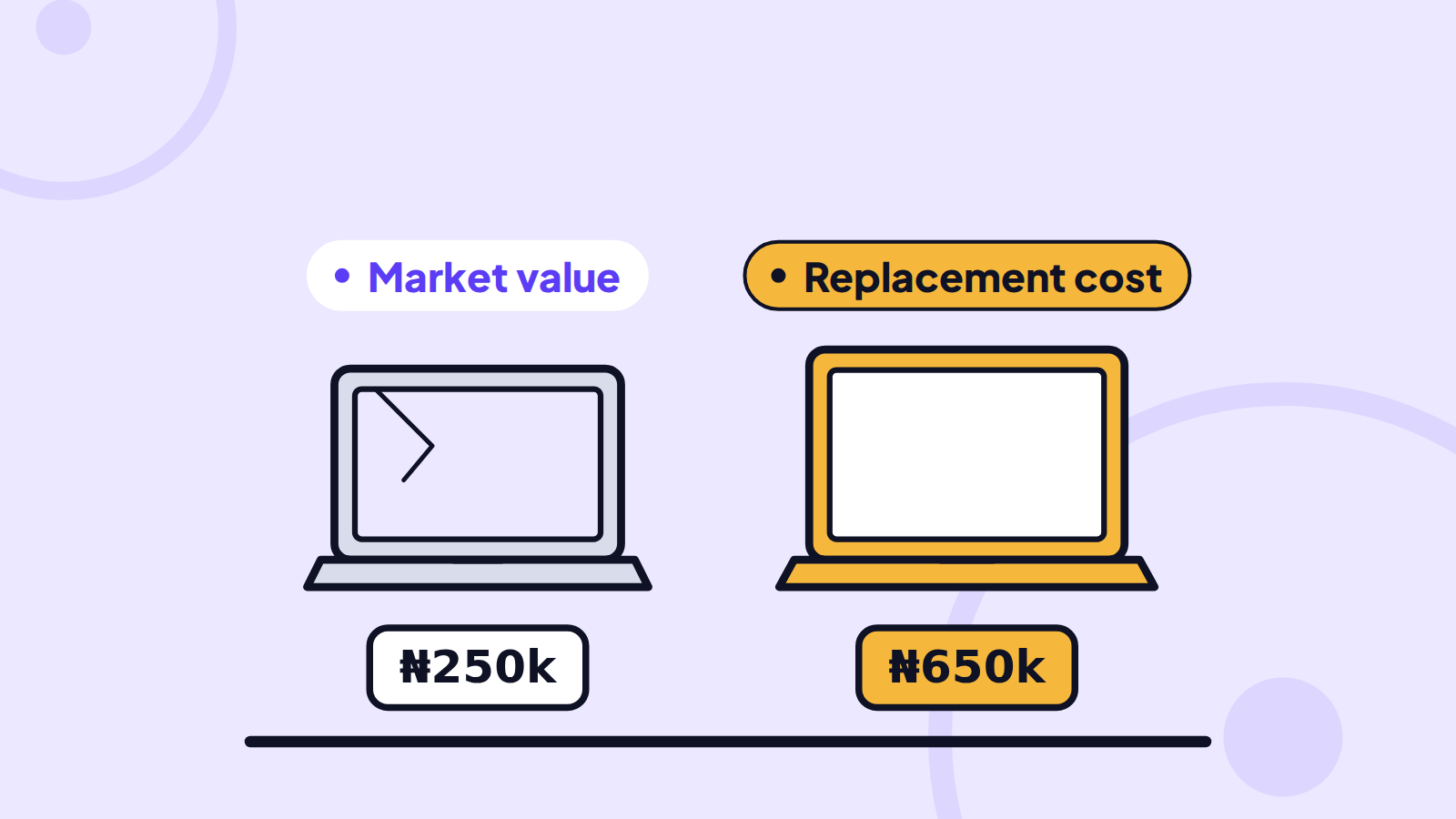
- Insure at replacement value. With costs rising, old values leave you underinsured, and the average clause can cut your payout.
- Understand the excess you will carry on each claim.
Where VaultCova fits
VaultCova is not an insurer. Cover is provided by licensed underwriters, who carry the risk. What we help with is the groundwork: you can log your assets for free, with photos, receipts and serial numbers, see what they are worth, and insure when you are ready. That record is exactly what claims need, alongside a police report for theft. Your cover has a 14-day cooling-off period with a pro-rata refund, and the bundle saving applies to first cover only.
Highly specialised risks, such as fuel storage, may need tailored terms, so Cova will tell you what can be arranged and quote your exact figure rather than guess.
Next step
Start a vault, log what your business owns, and talk to Cova about which covers your operation genuinely needs. You can also review our business insurance for SMEs page.