What is e-inventory? Do I need an asset register?
A digital record of what you own does more than help you get insured. It can support loan applications, visa proof of funds, business valuations and family planning. Here is why every Nigerian should have one.
What is an e-inventory, really
An e-inventory or schedule of assets is simply a digital, organised record of the things you own: your electronics, furniture, jewellery, vehicles, generator, business stock, even the small appliances scattered around your home. Instead of that knowledge living only in your head, or scattered across old receipts stuffed in a drawer, it sits in one place with photos, values, serial numbers and purchase dates attached.
Most Nigerians already own more than they realise. A phone, a laptop, a TV, kitchen equipment, a generator, maybe a car, some jewellery passed down or bought over the years. Add it all up and the number often surprises people. An e-inventory turns that scattered wealth into something visible, countable and provable.
Why this matters more in Nigeria right now
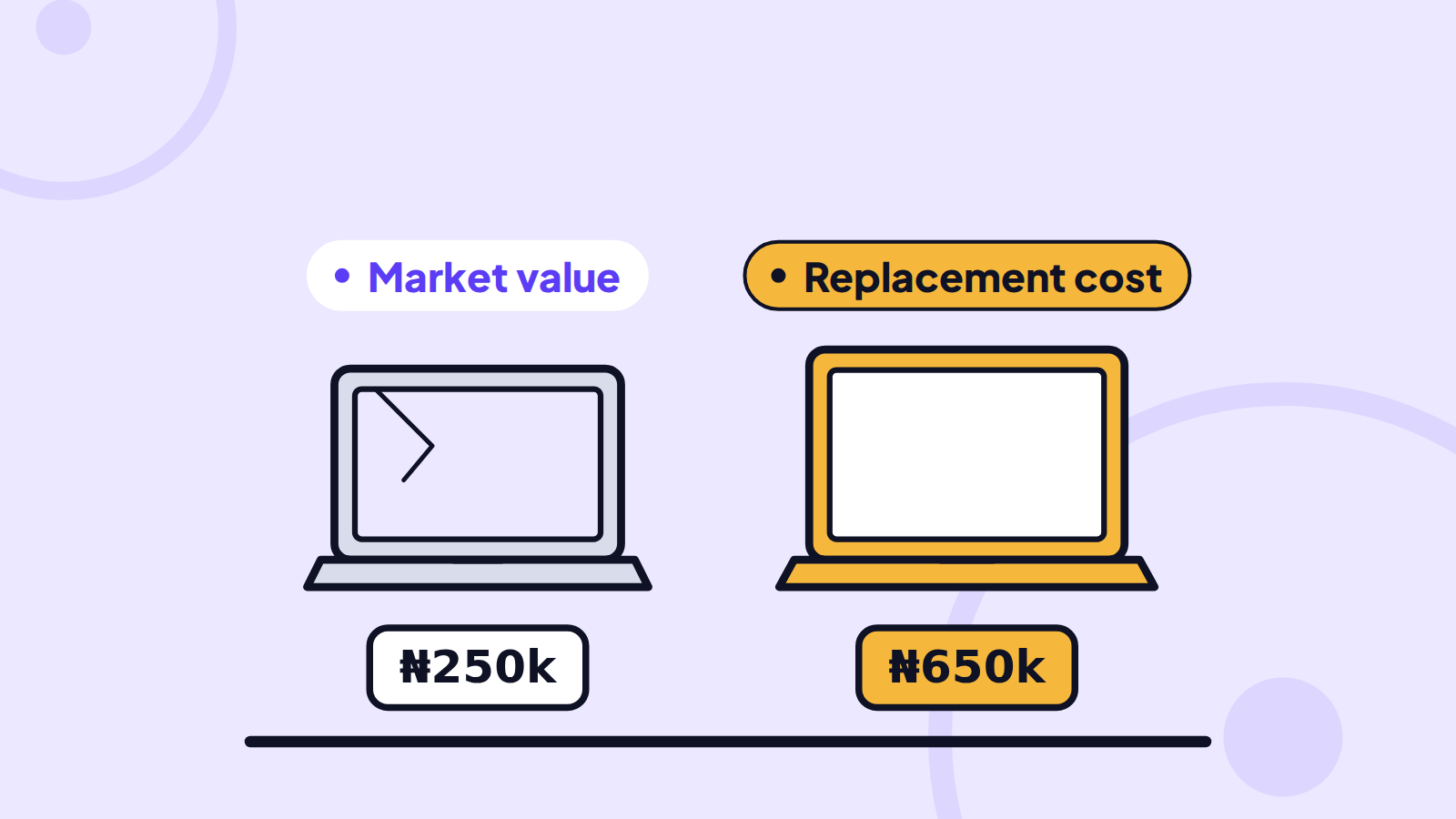
A weaker naira and rising replacement costs mean the things you bought a few years ago now cost far more to replace. Without an updated record, most people underestimate what they actually own and what it would take to buy it all again. That gap is exactly where financial trouble hides, whether it is underinsurance, a rejected loan application, or simply not knowing your own net worth.
At the same time, more people are working remotely, running side businesses, or building small shops and stalls. These are real assets and real income sources, but they rarely show up on a payslip or a bank statement. An e-inventory captures that value in a way traditional financial documents cannot.
Proof of financial capability, beyond insurance
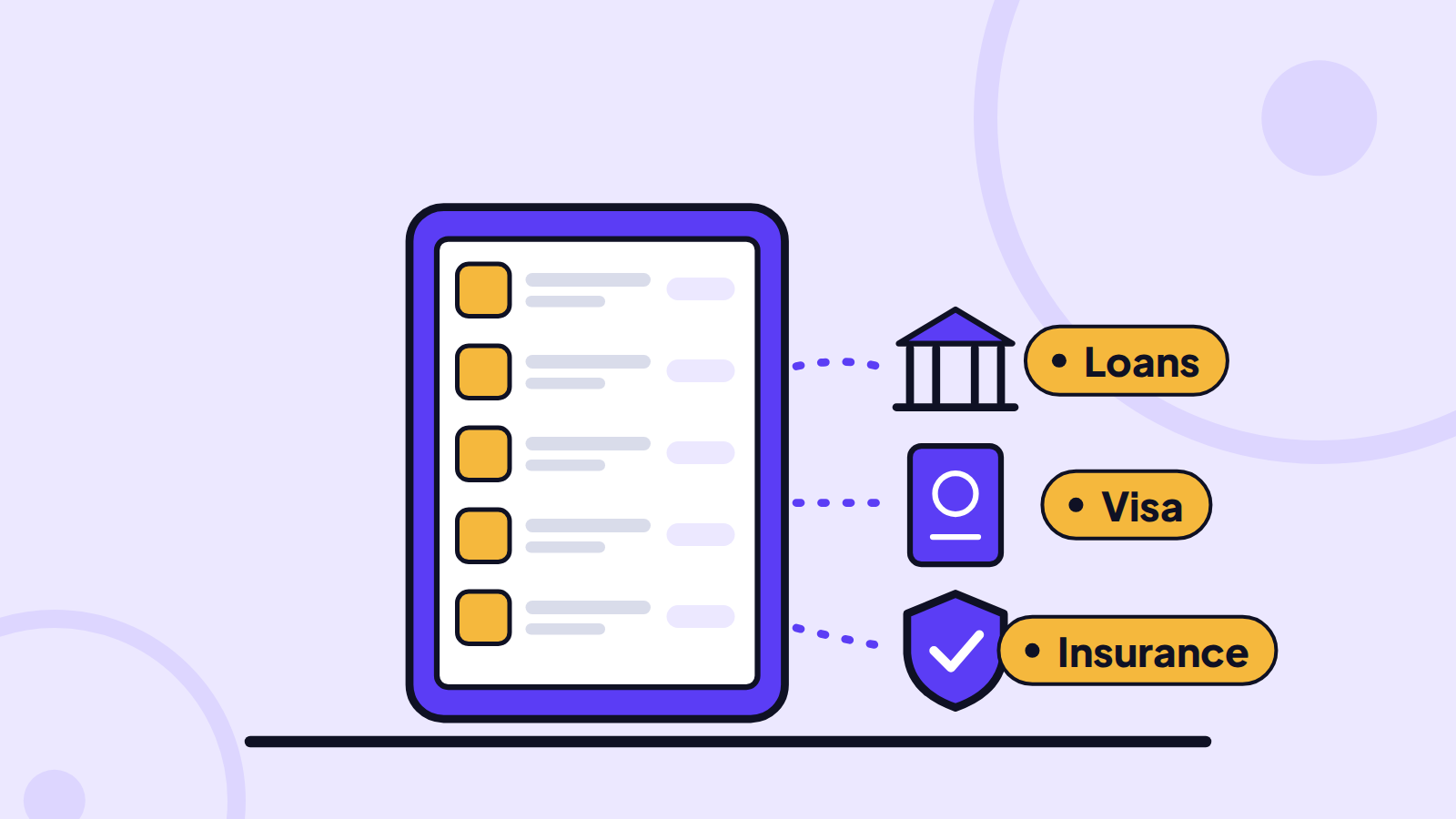
This is the part many people miss. An organised, dated record of your assets can support you in situations that have nothing to do with insurance claims:
- Loan and mortgage applications: lenders want to see collateral and net worth, not just salary. A documented inventory of vehicles, equipment or property strengthens your case.
- Visa applications and proof of funds: some embassies and immigration processes ask applicants to show ties and assets at home. A clear inventory with values and photos adds credibility.
- Business valuations: if you are seeking investment, a business partner, or even just trying to understand your own shop's worth, a stock and equipment record is the starting point.
- Estate and family planning: in the event of death or dispute, a documented list of assets makes things easier for the people left behind, instead of relatives guessing what existed.
- Divorce or asset-sharing situations: having a dated, independent record removes a lot of the "he said, she said" arguments about what was owned and when.
None of this requires you to buy insurance. Logging what you own is useful on its own, and it costs nothing to start. Insuring specific items is a separate decision you can make later, once you understand what you have and what it is worth.
Building one properly
A good e-inventory should include, for each item:
- A clear photo, ideally with any serial number or engraving visible
- The purchase date and, where possible, the original receipt or invoice
- A realistic current replacement value, not the price you paid years ago
- Any identifying marks that would help prove ownership if it were ever lost or stolen
You do not need to do this all in one sitting. Start with your highest-value items: electronics, generator, jewellery, vehicle documents, business equipment. Add the smaller things over time. Our guide on how to value your assets walks through practical ways to estimate replacement cost without guessing.
From inventory to protection
Once your inventory exists, insurance becomes a much simpler conversation. Instead of trying to remember what you own and what it is worth when something goes wrong, you already have the proof. With VaultCova, logging your items is free and there is no pressure to insure everything at once. You can choose to cover specific items when you are ready, and if you change your mind within 14 days of buying cover, you get a pro-rata refund with no drama.
This matters at claim time too. Insurers ask for proof of ownership and value, sometimes a police report for theft. If your inventory already has photos, receipts and serial numbers logged, that process moves faster and with far less stress.
Start where you are
You do not need to own a mansion or a fleet of cars for this to matter. Whether it is a laptop and a phone, a shop full of stock, or a home full of appliances bought over the years, documenting it protects you in ways that go well beyond insurance.
Open a free vault, log what you own room by room or item by item, and talk to Cova whenever you are ready to explore cover. There is no obligation, just a clearer picture of what you have built.