Why Insurance Claims Get Reduced or Refused in Nigeria (and the Fix)
Most reduced or refused claims come down to a handful of avoidable causes: underinsurance, broken policy conditions, excluded events, incomplete disclosure and missing proof. Here is how each one works and how to avoid it.
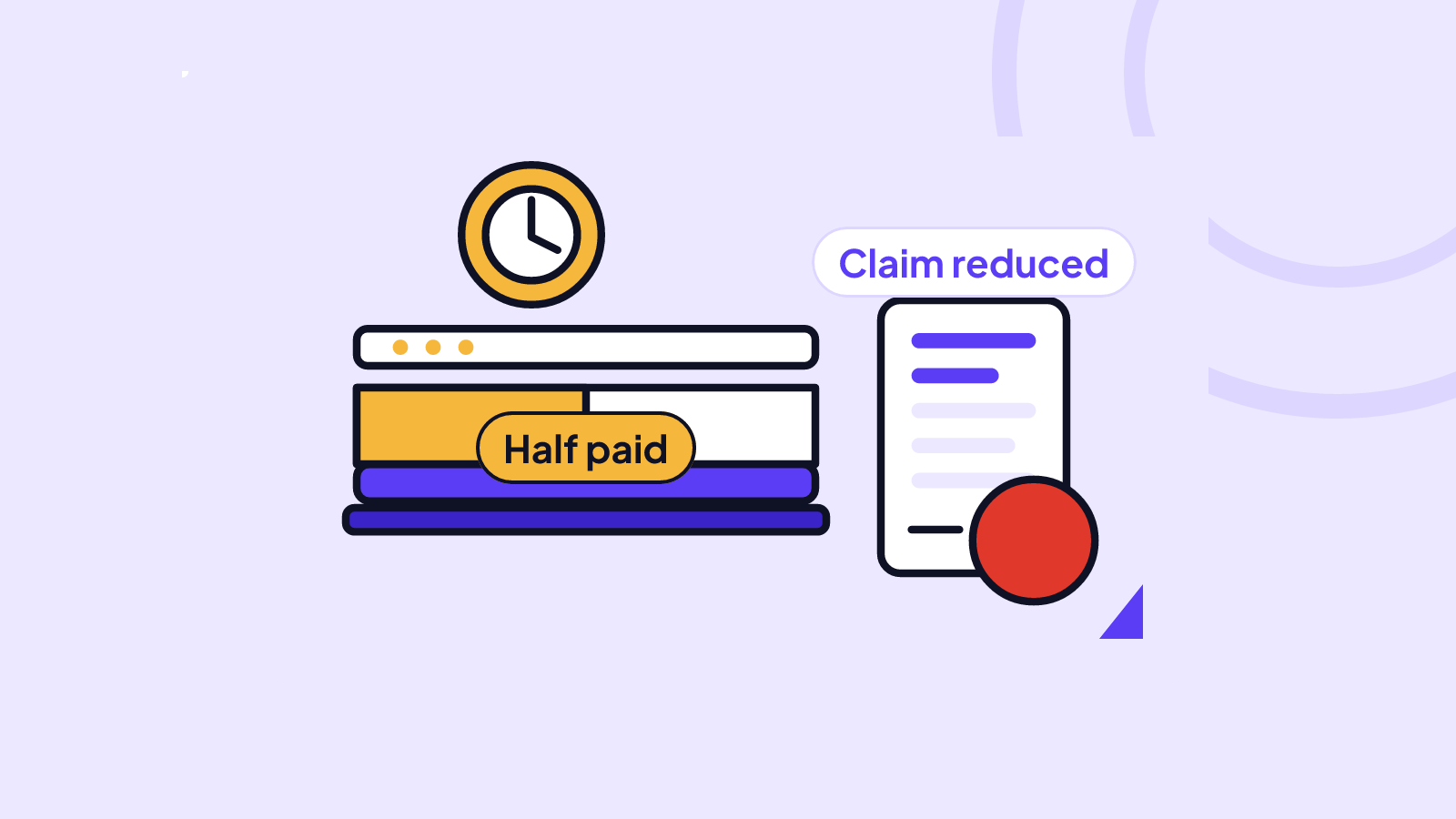
Insurance claims are usually reduced or refused for a few avoidable reasons: the item was insured for less than it is worth, a policy condition was not kept, the cause of loss was not covered, something important was not disclosed, or proof was missing. Knowing these in advance lets you fix them before you ever need to claim.
Key takeaways
- Underinsurance is the most common reason a claim is paid in part rather than in full.
- A policy condition you did not keep, such as locks or security in use, can reduce or refuse a claim even when the event itself is covered.
- Exclusions and the cause of loss decide whether an event is covered at all.
- Telling the underwriter every material fact at the start protects the whole policy.
- Receipts, photos, serial numbers and a police report (for theft) make claims faster and harder to dispute.
Why do insurers reduce or refuse claims?
A claim is a test of the contract you bought. The underwriter, the licensed insurer that carries the risk, checks that the loss was caused by a covered event, that you kept the policy's conditions, that the sum insured matches the real value, and that you can prove what you owned.
When any of those checks fails, the result is a reduction (you are paid part of the loss) or a refusal (nothing is paid). Your own policy wording always governs, but the patterns below are the usual ones in the market.
Is your sum insured too low?
The sum insured is the amount you choose to insure an item or property for. If it is lower than the true value, the average clause (also called underinsurance) applies: the underwriter pays only the same share of the loss as your cover bears to the full value.
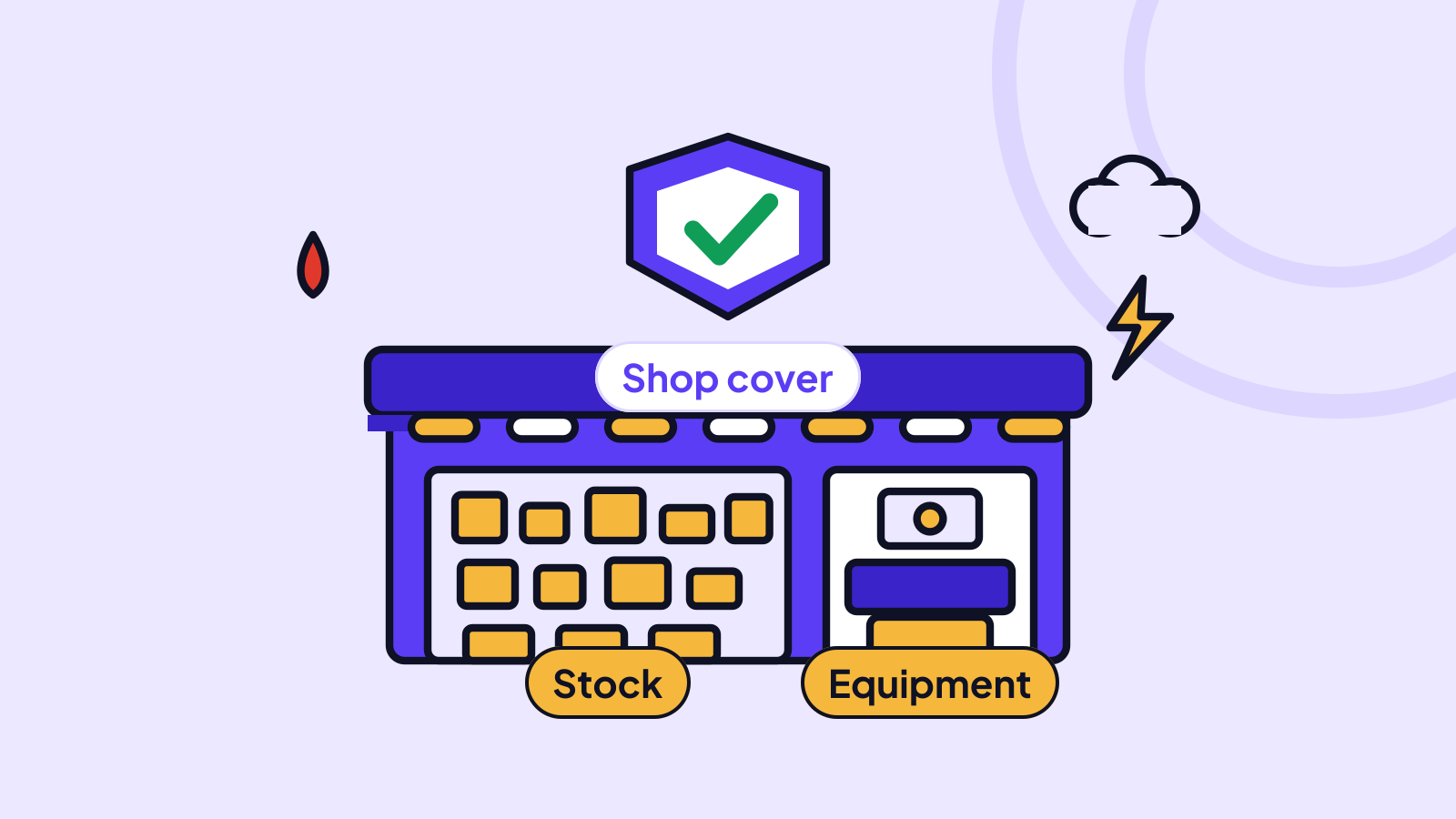
A business example, with illustrative numbers: a shop owner insures stock for ₦3 million, but replacing it all would cost ₦6 million. A fire destroys ₦1 million of stock. Because the cover is half the real value, the claim is paid at half, ₦500,000, before the excess (the first part of each claim you carry yourself).
With a weaker naira and rising replacement costs, values drift upward quickly, so a figure that was right two years ago can be too low today. Read more in the average clause explained and learn how the excess works.
Did you keep the policy conditions?
Conditions are things the policy requires you to do. Typical examples:
- Burglary cover usually expects the locks, burglar-proofing, alarm or guards named in the wording to be in place and in use.
- Fire cover usually expects fire precautions to be in working order and any change in how a building is used to be declared.
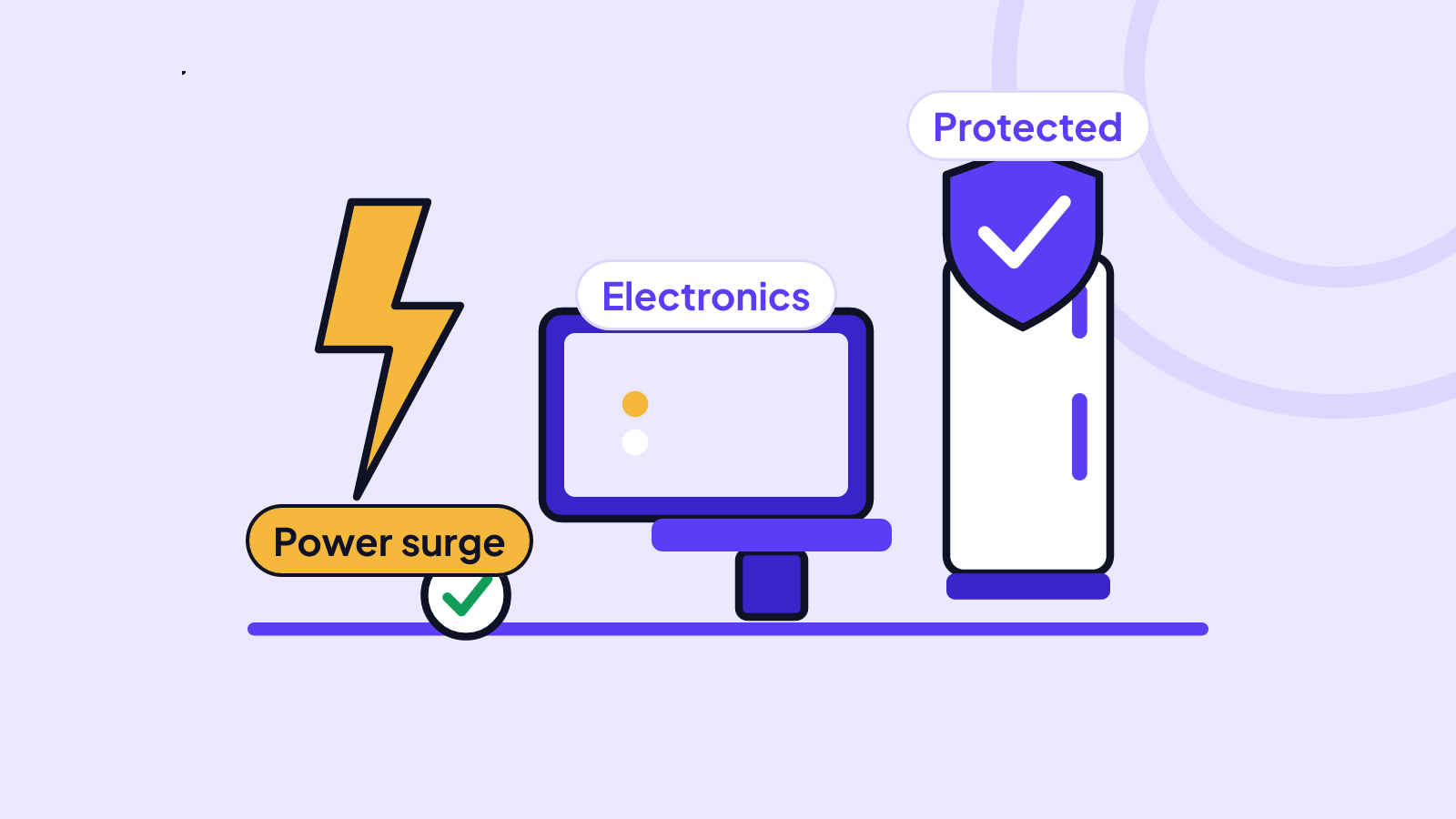
- Electronics cover usually expects surge protection and a stable power supply where the wording asks for it.
- Motor cover usually expects the vehicle to be roadworthy and properly secured, and the driver to be licensed.
A household example: a family has burglary cover, but the thief enters through a window that was left open, with no forced entry. Burglary cover typically responds to theft involving forcible and violent entry, so this loss is likely to be refused. Locking up is not just good sense, it is part of the deal.
Was the cause of loss actually covered?
Insurers apply proximate cause, meaning the loss must be caused by an event the policy covers. Anything in the exclusions, the list of things the policy does not cover, falls outside it.
Common examples of exclusions:
- Wear and tear, gradual deterioration and mechanical or electrical breakdown.
- Theft under fire and special perils cover, unless it follows a covered fire.
- Cash under a standard burglary policy, which needs money cover.
- Items left unattended in a vehicle under all-risks cover.
The fix is to read what your cover includes before buying, not after a loss. Our guide to all-risks cover shows how broad cover still has limits.
Did you tell the underwriter everything?
Insurance runs on utmost good faith: you must disclose every material fact, meaning anything that would affect whether the underwriter accepts the risk or at what price. If you leave out something important, such as a previous loss, a change in use, or that the shop also stores fuel, the policy can be voided.
It is tempting to answer risk questions quickly. Do not. Answer honestly, and update the underwriter when something changes, such as a move, a new business activity or an extension to the building.
Can you prove what you owned?
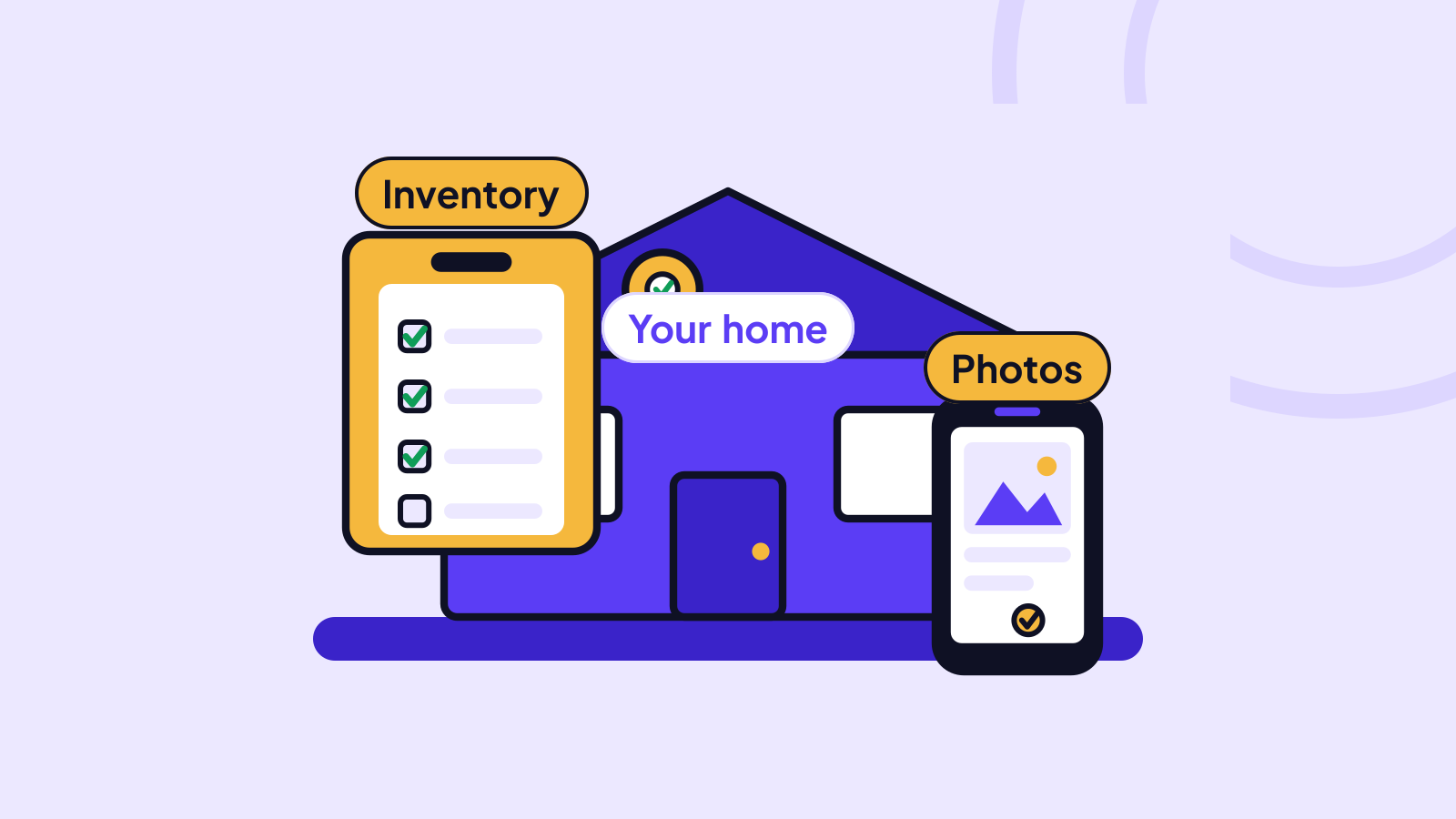
A claim is paid on what you can show. Underwriters usually ask for proof of ownership and value, such as receipts, photos and serial numbers, and for a police report if the loss is theft. Late notice can also hurt, because the underwriter wants the chance to inspect and to limit further damage.
If a receipt is gone, other evidence helps, but it takes longer. See why receipts matter and the step-by-step claim guide.
How can you avoid a reduced or refused claim?
- Insure for replacement value. Review your sums insured regularly so they follow current prices.
- Know your conditions. Ask what security, maintenance or precautions the wording requires, then keep them up.
- Disclose honestly. Give complete answers and report changes promptly.
- Keep proof together. Store receipts, photos and serial numbers where you can find them in minutes.
- Act fast after a loss. Notify the underwriter, report theft to the police, protect what is left, and do not admit liability or agree a settlement on your own.
- Pay on time and renew before cover ends. Cover only starts or renews once it is paid.
In VaultCova, VaultLog keeps each asset's value, photos, receipts and serial numbers in one place, and Cova can read your documents to support cover and claims. An item with no photo or receipt on file is priced 10% higher, so adding proof before you pay helps twice. On Pro and above, the risk dashboard in Insight lists what could reduce or refuse a claim, such as underinsurance, missing proof or an outstanding surveyor measure, with a fix for each. Surveyor recommendations from your underwriter also show in Insight on every plan, so you can mark them done.
Frequently asked questions
Can an insurer refuse a claim for a small mistake on the form?
It depends on whether the mistake is material, meaning it would have affected the underwriter's decision or price. Honest slips that do not change the risk are usually treated differently from leaving out something important. If in doubt, correct it early and tell the underwriter.
Why was I paid less than the amount I claimed?
The usual reasons are the excess, which you carry yourself, and underinsurance under the average clause. Indemnity also means you are put back where you were, not better off, so the underwriter pays the value of the loss, not more.
What should I do if my claim is refused?
Ask for the reason in writing and compare it with your policy wording. Then gather any extra proof, such as receipts, photos or reports, and ask for the decision to be reviewed. Do not delay, because wordings often set time limits.
Does insurance pay if I cannot find my receipt?
It may, but it is harder. Photos, serial numbers, bank or transfer records and a vault entry with values can all support ownership and value. Keeping proof as you buy is much easier than rebuilding it after a loss.
Start a vault in VaultCova, log what you own for free, and ask Cova to check where your cover could fall short.