What an Insurance Risk Survey Looks At and How to Act on It
A risk survey is an underwriter's inspection of your premises. Learn what surveyors check, how their recommendations affect pricing and claims, and how to close each one out with proof.
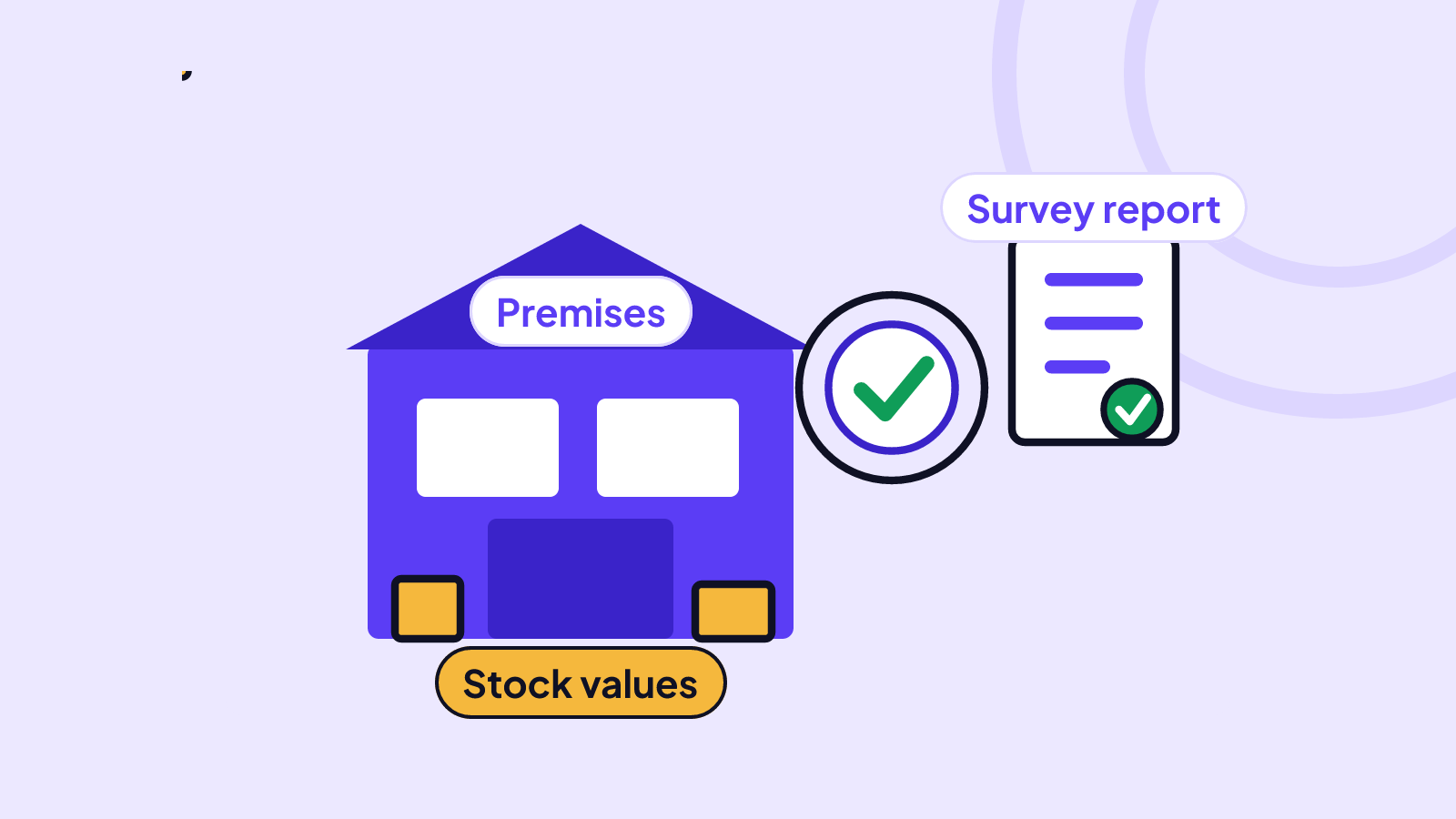
An insurance risk survey is an inspection, usually of a warehouse, factory, shop or office, in which a surveyor records how likely a loss is and how bad it could be. The underwriter uses it to price and set conditions. Recommendations from it must be acted on, or a later claim can be reduced.
Key takeaways
- A survey tests two things: how likely a loss is (fire, theft, flood, electrical fault) and how large it could be (values, storage, spread).
- A recommendation is a measure the underwriter wants carried out, usually by a stated date. Leaving one open can reduce or refuse a claim.
- Surveyors also check whether your sum insured matches real replacement cost, so current values matter as much as fire extinguishers.
- Close every recommendation with evidence: a dated photo, an invoice, a service certificate, and a note of who did the work.
What is an insurance risk survey?
A risk survey is a visit, or sometimes a desk review, by a surveyor acting for the underwriter, the licensed insurer that carries the risk. The surveyor walks the site, asks questions, takes photos and writes a report. The underwriter then decides whether to offer cover, at what price, and under what conditions.
Surveys are more common on larger or higher-hazard sites: industrial risks, warehouses, factories, fuel-related businesses and buildings with heavy stock. A small shop may never see a surveyor, but the same questions still sit behind the proposal form you fill in. A survey can also happen mid-term, after a large claim, or when a sum insured is raised sharply.
Two terms to know. Utmost good faith means you must tell the underwriter every material fact, meaning anything that would change their decision, or the policy can be voided. Risk improvement measures are the specific fixes a surveyor asks for, such as rewiring a distribution board or adding a second exit.
What does a surveyor actually look at?
The checklist varies by trade, but most commercial surveys cover the same headings.
- Construction and occupancy: what the building is made of (concrete, block, zinc sheeting, timber), the roof type, and what the premises are really used for. A change of use that was never declared is a common problem.
- Fire protection: extinguishers (present, charged, serviced, in reach), hose reels, alarms, sand buckets, clear escape routes, and whether staff know what to do.
- Electrical installation: overloaded sockets, exposed cabling, poorly rated breakers, informal connections from the grid to the generator, and earthing. Fires from electrical faults and power surges are an everyday risk here.
- Generators and fuel: where the generator sits, how fuel is stored, ventilation, and separation from stock. Our guide to insuring your generator covers the cover side.
- Housekeeping and storage: stock stacked against walls or lights, flammable goods near ignition sources, packaging waste, blocked aisles.
- Security: burglar-proofing, perimeter wall, lighting, guards, alarms, key control, and the quality of locks on doors and shutters.
- Flood and water exposure: drainage, the site's level, whether stock sits on the floor, and the history of water entering in the rains.
- Neighbours and surroundings: adjoining buildings, market clusters, access for fire services.
- Values: whether the sums insured for building, machinery and stock look realistic.
The last item is where many businesses are caught. A surveyor who sees ₦90 million of stock on racks against a ₦50 million sum insured will say so.
How do survey findings change your premium and your claim?
Findings feed into three outcomes. The underwriter may price the risk higher or lower, attach conditions to the policy, or ask for measures to be completed within a set time. Typically a well-protected site is easier to insure on better terms than one with obvious hazards, though your quote shows the exact effect.
The bigger issue is claims. A policy usually expects you to keep the protections in place and to maintain the property in good order. If a fire starts where a recommended extinguisher system was never installed, or a theft follows a recommended security measure that was left undone, the underwriter can argue the condition was breached. That can reduce or, in serious cases, refuse the payout. Our piece on why claims get reduced or refused lists the other common causes.
Worked example: values found too low at survey
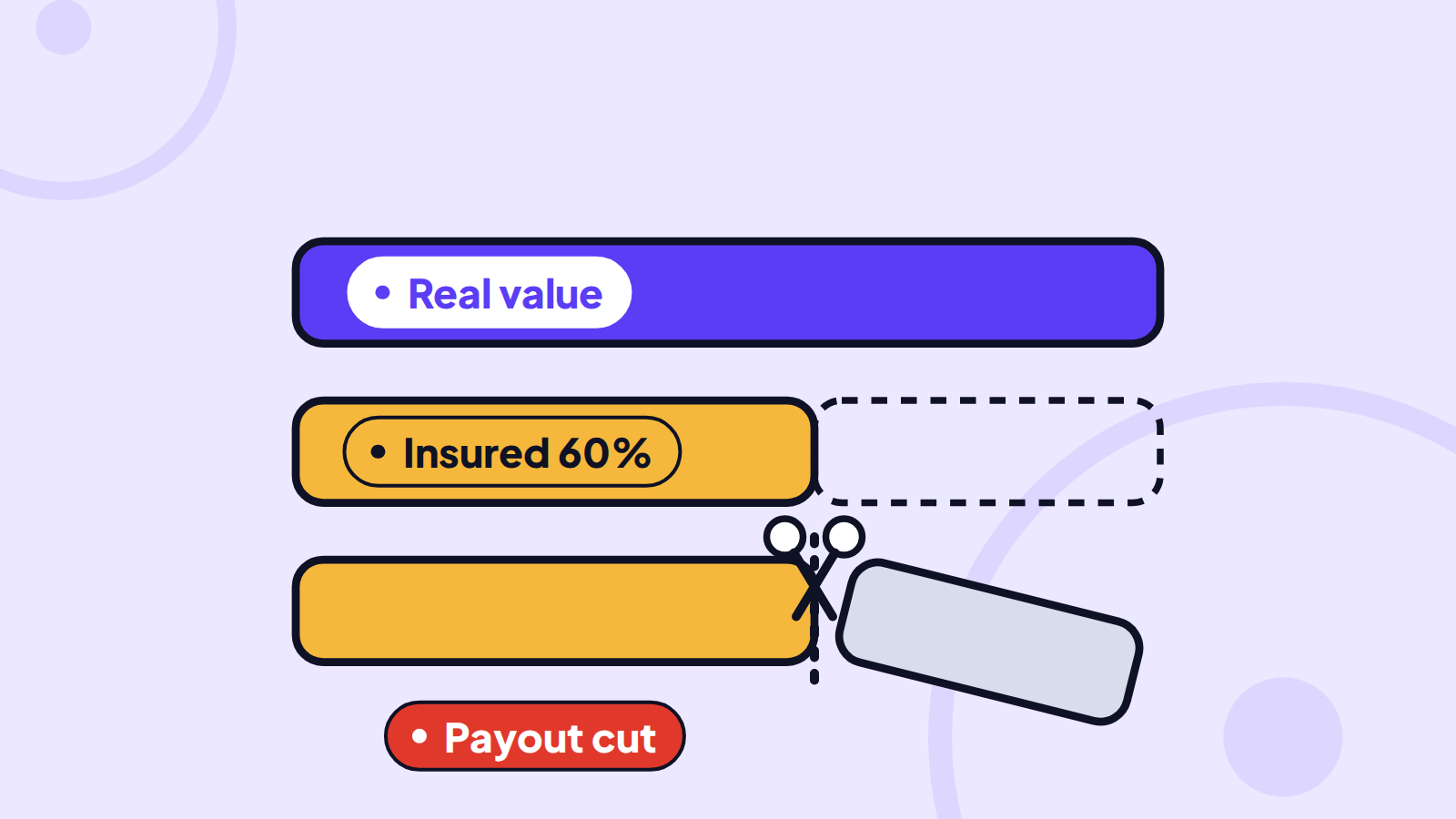
A distributor insures its warehouse stock under fire and special perils (cover for fire, lightning, explosion, flood, storm, riot and similar named events). The surveyor notes that replacement cost of the stock, at today's supplier prices, is ₦60,000,000. The sum insured is ₦45,000,000, set two years ago.
A fire destroys stock worth ₦12,000,000 at replacement cost. The Average clause says that if you insure for less than full value, you carry a matching share of every loss yourself. The steps:
- Sum insured divided by true value: ₦45,000,000 ÷ ₦60,000,000 = 0.75, or 75%.
- Apply that share to the loss: ₦12,000,000 × 0.75 = ₦9,000,000.
- Subtract the excess, the first part of each claim you carry, say ₦200,000: ₦9,000,000 - ₦200,000 = ₦8,800,000.
The business absorbs ₦3,200,000 in total: ₦3,000,000 from under-insurance plus the ₦200,000 excess. That gap comes purely because the sum insured lagged behind prices. With a weaker naira and rising replacement costs, this gap opens quietly. Our guide to valuing your assets shows how to set and refresh the figure. Policy wording governs the exact order of average and excess.
How should you respond to a surveyor's recommendations?
Treat the report as a project plan, not a letter to file. Hand your operations manager this sequence.
- Get the report in writing and list every recommendation with its deadline and priority.
- Assign one owner per item (facilities, finance, security) and agree a completion date before the underwriter's deadline.
- Cost each measure and approve the budget. Cheap items like clearing aisles or servicing extinguishers should be done at once.
- Carry out the work using a qualified contractor where it is electrical, fire-system or structural.
- Collect proof: dated before-and-after photos, invoices, service or test certificates, and the contractor's name and contact.
- Mark the item done and tell the underwriter, so the record shows it is closed.
- Re-check quarterly, because extinguishers expire, stock creeps back against walls and locks wear out.
If a recommendation is impractical, say so early and propose an alternative, such as extra guarding instead of a perimeter wall. Do not simply ignore it.
How can you keep all of this in one place?
Two records matter: what you own and what you did about the surveyor's findings. In VaultCova's VaultLog you can keep each asset's value, photos, receipts and serial numbers together, and attach documents that Cova, our assistant, reads to support cover and claims. A schedule-of-assets PDF export gives you a register to hand a surveyor or auditor. For setting one up, see how to set up a fixed asset register.
On every plan, measures your underwriter's surveyor recommends appear in Insight under Surveyor recommendations. You mark each one done once it is carried out, and the underwriter sees that, so a claim is not reduced for an outstanding measure. On Pro and above, the risk dashboard also flags what could reduce or refuse a claim, such as under-insurance, missing proof of ownership or an open surveyor measure, with a suggested fix for each.
VaultCova is not an insurer. Cover is provided by licensed underwriters who carry the risk, and their policy wording always takes precedence.
Frequently asked questions
Do all businesses get a risk survey before they are insured?
No. Surveys are most common for larger or higher-hazard sites such as factories and warehouses, or when values are high. Smaller risks are often assessed from the proposal form, but the same questions about fire protection, wiring, security and values still apply.
What happens if I cannot complete a recommendation by the deadline?
Tell the underwriter before the deadline, explain the obstacle and propose an interim measure or a new date. Silence is the worst option, because an open item at the time of a loss is what can lead to a reduced claim.
Can a survey make my sum insured go up?
Yes. If the surveyor finds that stock, machinery or building values are below realistic replacement cost, the underwriter may ask you to raise the sum insured. Doing so avoids the Average clause cutting your payout, though a raised limit only applies to incidents after it takes effect.
Who pays for the recommended improvements?
The business does, as the owner or occupier of the site. Many measures are low cost, and a safer site is also more likely to attract better terms, so budget for them like any other maintenance.
Is a survey the same as a valuation?
No. A survey judges hazards and protections, and flags value concerns in passing. A valuation sets the replacement cost of specific assets. Ideally you keep both current, since each supports the other at claim time.
Start a vault, log your assets with proof, and ask Cova what your cover needs to look like before the surveyor arrives.