Insuring Your Home While You Travel or Work Away
Leaving home empty can affect your cover. Learn how unoccupied-home rules usually work, what to tell your underwriter and what to do before you go.
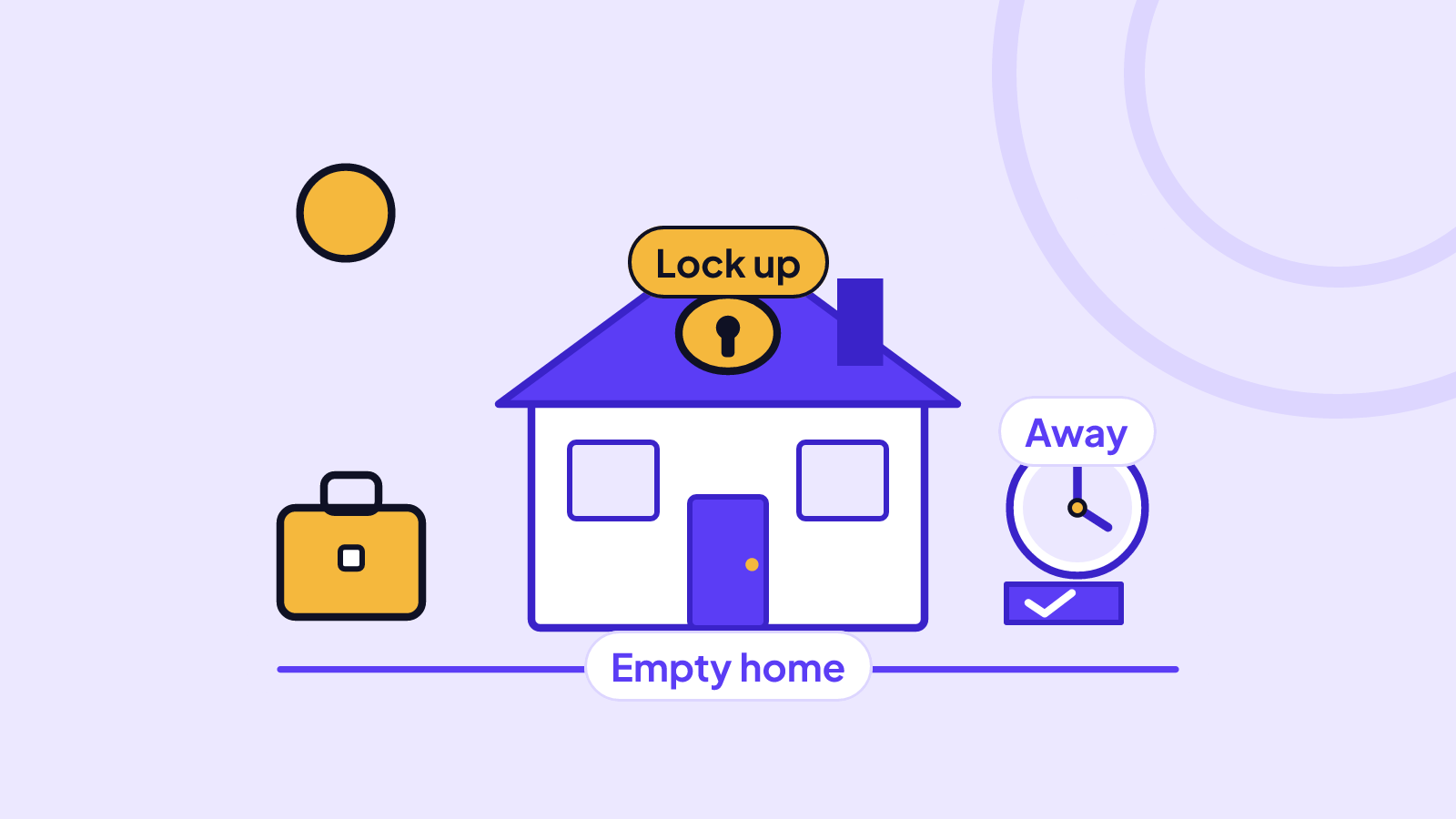
Your home insurance usually keeps working while you travel, but most policies limit how long the home can sit empty before cover for theft and some other losses is restricted. Check the unoccupancy wording, tell your underwriter about long absences, and set up security and proof before you leave.
Key takeaways
- Most householder and burglary policies set a limit on how long the home can be left unoccupied, and the policy wording sets that period.
- Tell your underwriter about long trips, postings or a change in who lives in the home. Hiding a material fact can void a claim.
- Burglary cover usually needs forced entry and the security measures in the wording to be in place and in use.
- Photos, receipts and a current list of values make a claim far smoother after a long absence.
Does home insurance still cover my home when I am away?
Usually yes, for a normal trip. A Householder's policy (one policy covering your home and contents against fire, burglary and special perils such as storm, flood and burst pipes) does not stop because you went to Port Harcourt for two weeks or abroad for a holiday.
The catch is the unoccupancy condition. Many wordings say that if the home is left unoccupied beyond a set period, certain cover, often burglary and sometimes water damage, is limited or suspended. Your own policy wording governs, so look for words like "unoccupied", "unattended" or "vacant".
What counts as unoccupied?
Unoccupied generally means nobody is sleeping in the home or using it as a normal residence. A house with a caretaker who only comes by to sweep and check the gate may still count as unoccupied. A relative who genuinely lives there may not, but you should confirm with the underwriter and not assume.
This matters because an empty home is a bigger risk. A burst pipe runs for days unnoticed, a break-in goes undiscovered, and a storm or flood leaves damage nobody limits. Underwriters price and word cover with that in mind.
What should I tell my underwriter before I go?
Insurance runs on utmost good faith, meaning you must disclose every material fact, anything that would change how the underwriter sees the risk. If a fact is withheld, a claim can be reduced or refused. For an absence, tell them:
- How long you will be away, especially for months-long postings or study.
- Who will check the home, and how often.
- Whether someone will move in, or whether you will rent a room out. This is a change of occupancy and should be declared.
- What security is in place: burglar-proofing, locks, gate, guard, alarm.
If the wording does not allow your planned absence, ask what can be agreed. Sometimes the answer is a condition, such as a regular inspection. Cova can help you read what your cover asks of you and arrange or adjust cover through licensed underwriters.
What does burglary cover need when I am gone?
Burglary and housebreaking cover usually pays for theft involving forcible and violent entry or exit, plus the damage done to the building in the break-in. It usually excludes theft without forced entry, theft by household members or employees unless forced entry is involved, and cash (which needs money cover).
The security the wording asks for must be in place and in use. If it says burglar-proof windows and a locked gate, an open window or an unlocked door while you are away can cost you the claim. Keep keys safe and never leave a spare in a familiar hiding place.
For more on when theft is and is not covered, read Does Insurance Cover Theft? Which Policies Pay and When. If the worst happens, a police report is a standard claim document: see Do You Need a Police Report to Claim for Theft in Nigeria?.
A simple pre-trip checklist
Do these in the week before you leave:
- Check your values. If your contents are worth ₦6,000,000 to replace but insured for ₦3,000,000, the average clause (the rule that cover below full value pays only the same share of any loss) means a ₦1,000,000 loss pays about ₦500,000, before the excess. A weaker naira and rising replacement costs make this gap easy to miss. Insure for replacement value.
- Know your excess. The excess is the first part of each claim you carry yourself. Be sure you can afford it.
- Switch off and unplug. Turn off the main water valve if you can and unplug TVs, laptops and chargers. A power surge when supply returns can ruin electronics left plugged in. Electronics all risks cover can respond to a surge, but prevention costs nothing.
- Fire precautions. Switch off gas, and do not leave a generator or inverter setup running or fuelled unattended.
- Secure valuables. Take jewellery with you or lock it away. Items left in the open are commonly excluded.
- Arrange regular checks. A trusted person who visits, collects post and opens the curtains. Keep a record of the visits.
- Photograph everything. Take dated photos of each room and your high-value items before you leave.
Our Buildings vs Contents Insurance guide explains which part of your home is covered under which section, which helps when you check the sums insured.
What if I work away for months or let the home out?
A longer absence is a different risk from a holiday. If a family member or tenant will live in the home, tell your underwriter, because the cover you need may change. A tenant's belongings are not covered by your policy, and your policy may be worded for an owner-occupier. If the home will be empty for the long term, ask what the underwriter will agree in writing.
Your own belongings travel too. A laptop, phone or camera you take away is usually better protected under All Risks cover, which can respond to accidental loss or damage at home or carried about within the territorial limits. It usually excludes items left unattended in a vehicle.
Keep proof where you can reach it from anywhere
After a loss you may be in another city or country when the call comes. Keep receipts, photos and serial numbers in one place. In VaultCova you can log what you own in VaultLog, attach photos and receipts, and download a schedule of assets as a PDF. Our Home Inventory Checklist shows what to record.
If you must claim, report the loss before your cover ends, tell the underwriter promptly, and do not admit liability or agree a settlement for any third-party damage.
Frequently asked questions
Do I have to tell my insurer about a two-week holiday?
Usually not, since normal short absences are expected. But read your wording for the unoccupancy period, and tell the underwriter if your trip could exceed it.
Will my caretaker count as someone living in the house?
Not necessarily. A caretaker who visits or lives in a separate part may not make the home occupied under the wording. Ask your underwriter and get the answer in writing.
Is theft covered if there was no forced entry while I was away?
Usually not under burglary cover, which typically needs forcible and violent entry or exit. Theft by someone with a key, or through an unlocked door, is commonly excluded. Your policy wording governs.
What proof will I need if my home is burgled while I am abroad?
You will usually need a police report, a list of what was taken, and receipts, photos or serial numbers as proof of ownership and value. Keeping these in one digital place makes it easier to file from wherever you are.
Before your next trip, start a vault, log your key items, and ask Cova to check that your cover fits.