The Rise of VaultCova: An African Insurtech Built Around What You Own
Insurance still reaches few people in Africa. VaultCova starts with what people own: one record of every asset and its real value, with cover built on top.
Insurance in Africa has a reach problem. For years, insurance premiums across the continent have been worth only about 3% of the economy, and much of that is written in South Africa alone. In Nigeria the figure is still under 1%. Most homes, shops and small companies carry their risks themselves, and one fire, flood or break-in can undo years of work.
The usual answer has been to copy a playbook built elsewhere: sell a single product, usually car or home cover, through a slick app, and spend heavily to find customers. It works where people already buy insurance. It struggles where most people never have, where prices move fast and a weaker currency keeps raising the cost of replacing things, and where the same person's phone, car, shop stock and generator all hold up one household.
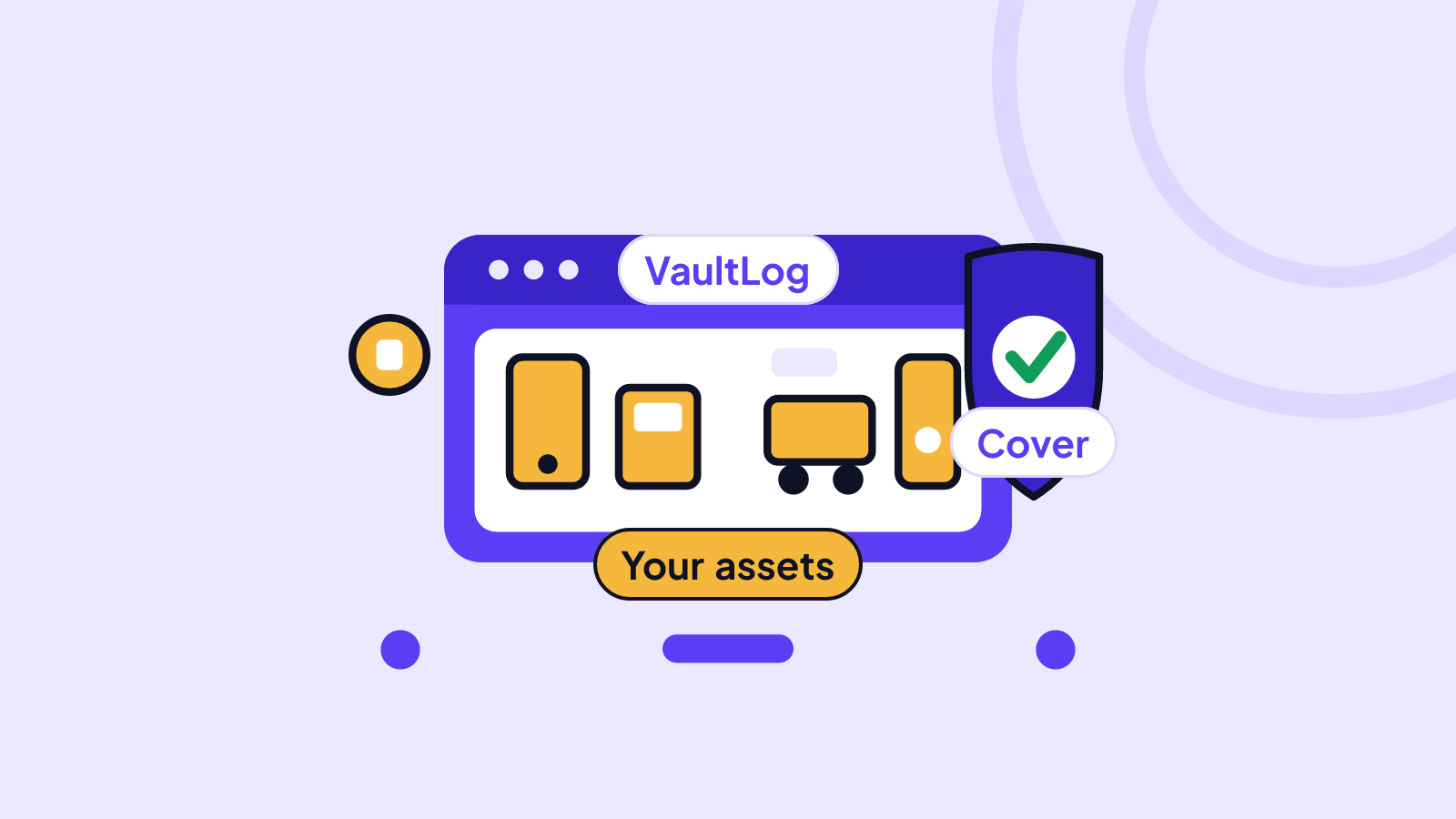
VaultCova takes a different route. Instead of starting with a policy, it starts with what people own.
Key takeaways
- VaultCova begins with an asset register, VaultLog, and offers cover on top of it, rather than selling one policy at a time.
- In much of Africa, personal and business risk sit side by side. One record of everything you own fits that reality better than separate products.
- Values, proof and cover live together, so people can see when what they own has outgrown what they insured.
- Cova, VaultCova's assistant, works in English, Pidgin, Yorùbá, Hausa and Igbo, so nobody has to fill in a form in a language they don't think in.
- Staying claim-free pays: VaultRewards gives back up to 7% of the premium.
Why does insurance struggle to reach people?
Part of it is trust. Many people have heard of a claim that was paid short or refused, and decided insurance is not for them. Part of it is effort: forms, office visits and policy wording written for lawyers.
But a big part is that the products don't match how people live. A trader's phone is her shop's till. A driver's car is his family's income. A tailor's sewing machines sit in the same rooms as her children's things. The line between personal and business risk is blurred, and a product that covers only one slice of that life misses the rest.
There is a quieter problem too. Most people have no clear record of what they own or what it is worth. When something goes wrong, they cannot prove it, and when they do insure, the figure on the policy is a round number chosen years ago. Prices have moved since, so the cover falls short exactly when it is needed.
What does VaultCova do differently?
VaultCova is built around four ideas.
1. One register for everything you own
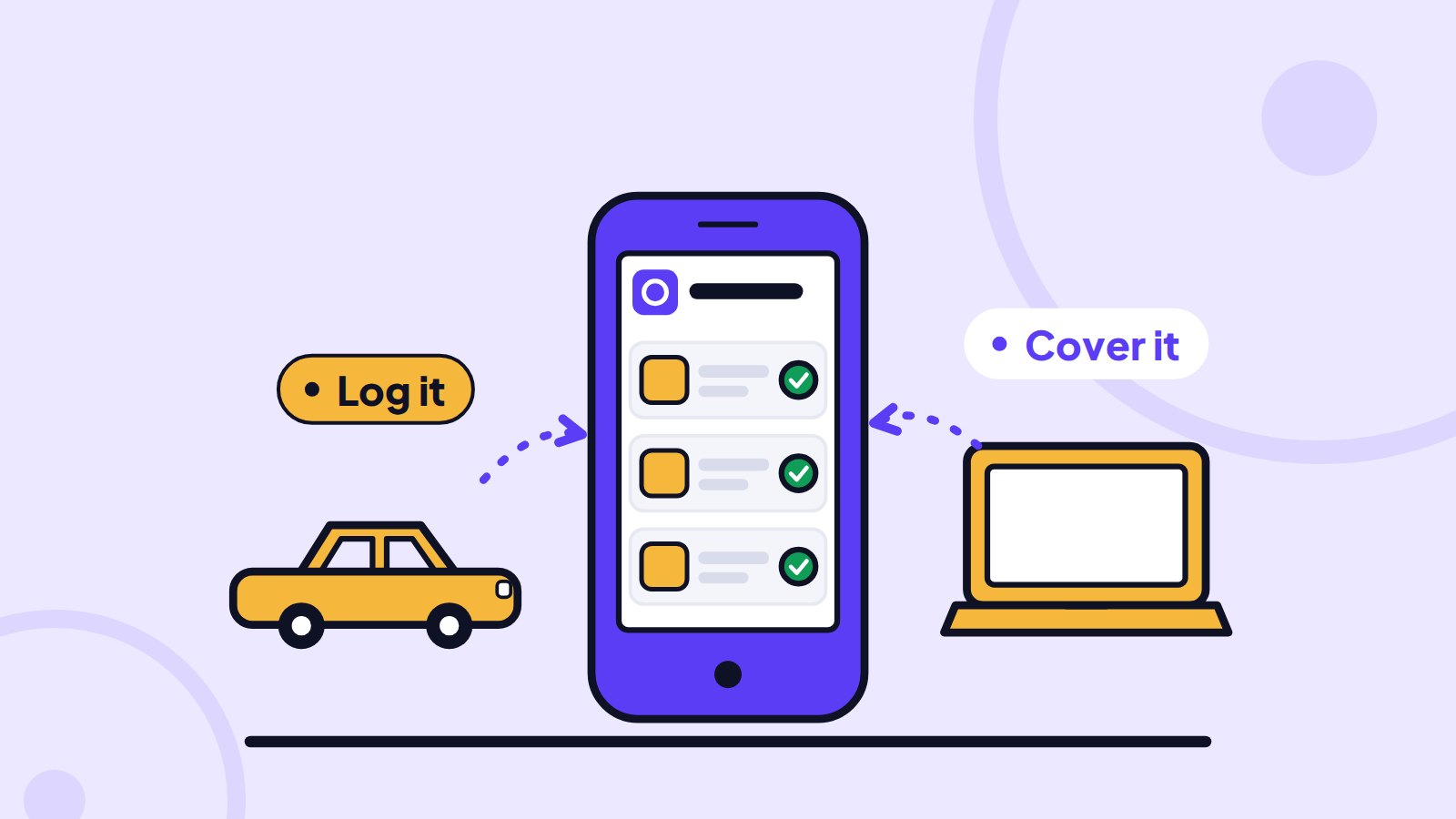
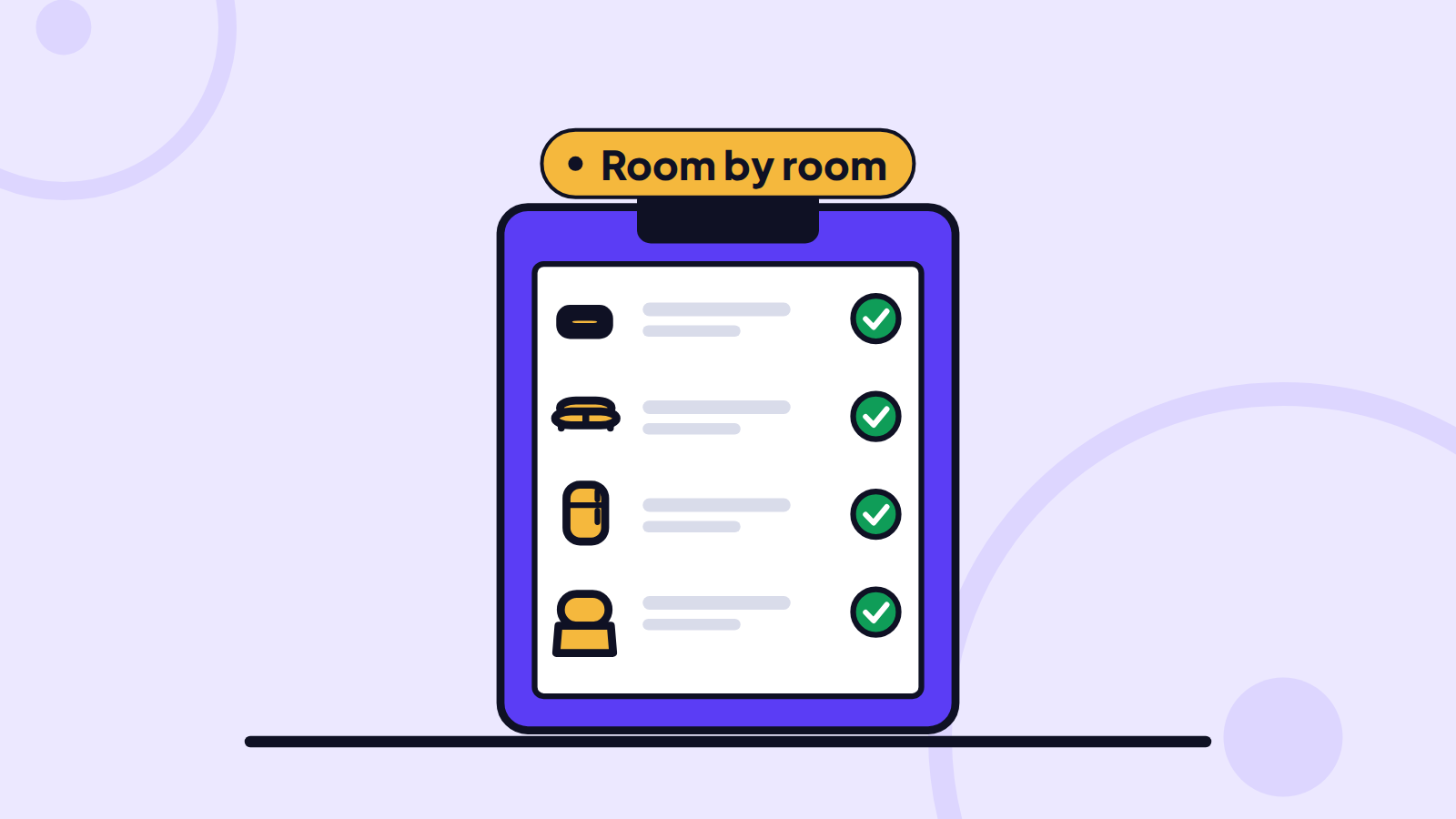
Everything starts in VaultLog, VaultCova's asset register. A phone, a laptop, a delivery van, a generator, a shop's stock or a whole building is logged the same way, with what it cost, what it would cost to replace today, where it is kept, and its photos and receipts. Personal and business accounts work the same way, and a business can split its register across sites and rooms.
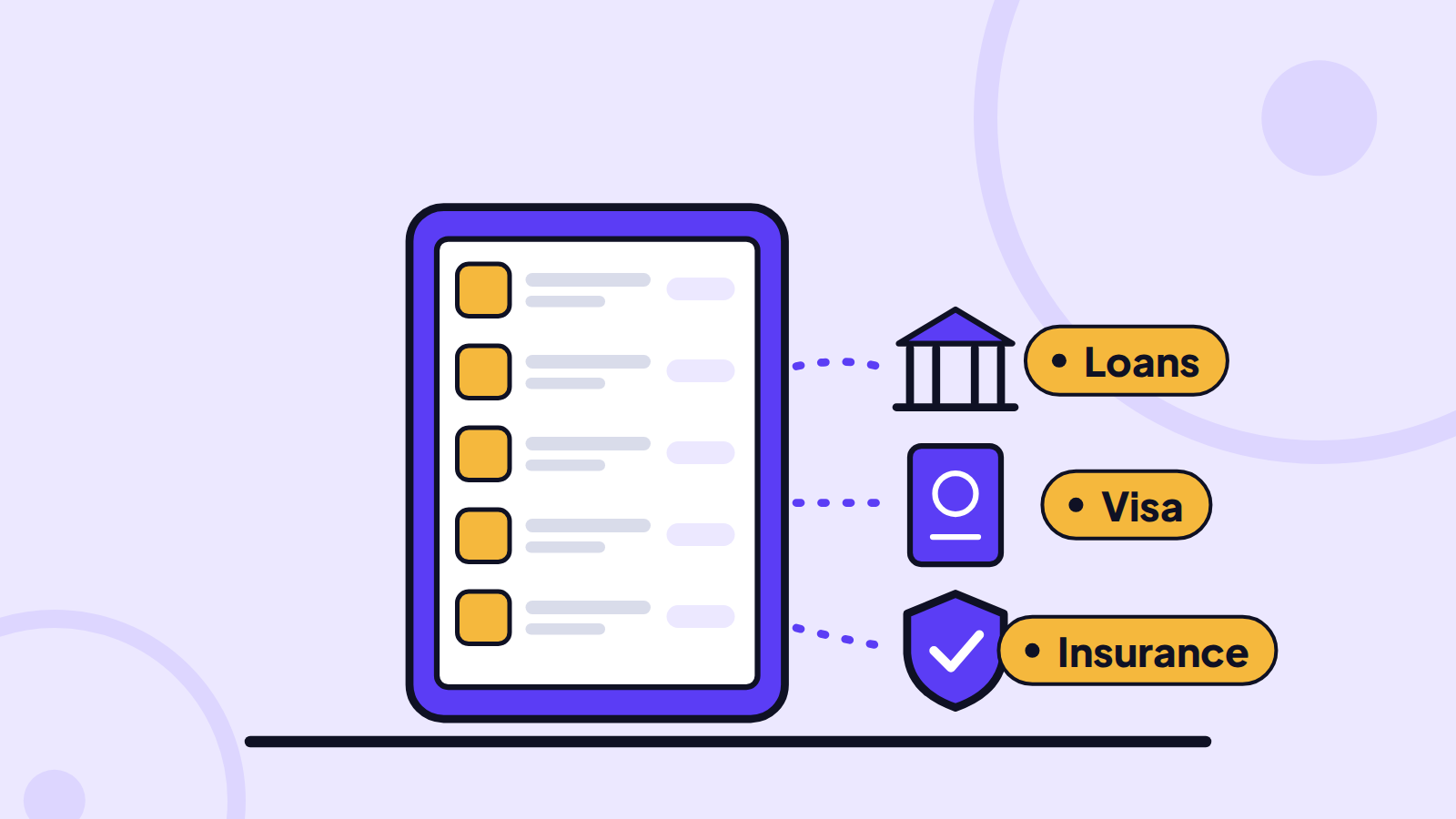
The register is useful on its own, for moving house, a warranty, a loan application or simply knowing what you have. Nobody has to buy insurance to use it. When they are ready, the record is already there, and cover can be arranged for one item or a bundle of them.
2. Values that keep up with prices
Where prices move quickly, a value set a year ago can be badly out of date. VaultLog keeps the cost of replacing each item next to the amount it is insured for, and shows the gap when one falls behind the other. It reminds people to check values that have gone stale, and on Pro and Business plans it tracks how values change over time, so stock that rises and falls through the year can be insured on its 12-month average rather than a guess.
The aim is simple: fewer claims paid short because the amount insured no longer matched the real cost of putting things right.
3. Getting started without the paperwork
Most people will never fill in a long proposal form, so VaultCova does not ask them to. They can tell Cova what they own in their own words, add items one at a time, or, on Pro and Business plans, snap a receipt or import the spreadsheet or list they already keep. Cova works in English, Pidgin, Yorùbá, Hausa and Igbo.
When it is time to buy cover, people choose by what it pays for and what it costs, and pay in the app by card, bank transfer or their VaultCova wallet. The certificate is issued as soon as cover starts.
4. Rewards for staying claim-free
Insurance often feels like money paid for nothing. VaultRewards changes that: customers earn back part of their premium for every month they stay claim-free, starting at 3% a year and rising to 5% after two claim-free years and 7% after five. They can cash it out or use it towards their next cover. Compulsory cover, such as third-party motor, earns none.
Is VaultCova an insurer?
No, and that is deliberate. VaultCova does not carry risk itself. Every policy is written by a NAICOM-licensed underwriter, which carries the risk and pays valid claims. VaultCova keeps the records, shows the cover available, takes payment and runs renewals and claims alongside the customer.
That keeps the model light. VaultCova can add underwriters and products without building a balance sheet, and the same approach can travel to other markets where the same problems exist.
Where does it go from here?
The opportunity is not to win a few more car policies from people who already buy insurance. It is to reach the many who never have, by starting with something they value more than a policy: a clear, current record of everything they have worked for.
If insurance is going to grow in Africa, it has to become visible, useful and part of everyday life. That is what VaultCova is building, one item at a time.
Frequently asked questions
Do I have to buy insurance to use VaultCova?
No. VaultLog is free to start, and many people use it only to keep a record of what they own. If they decide to insure something later, its record, value and proof are already in place.
Who carries the risk on a VaultCova policy?
A NAICOM-licensed underwriter. VaultCova is not an insurer: the underwriter on the policy carries the risk and pays valid claims, and VaultCova runs the process with you.
Which languages does VaultCova support?
English, Pidgin, Yorùbá, Hausa and Igbo, in the app and when you talk to Cova.
Start a free vault, log the first few things you own, and see what they are really worth today.