Disclosure in Insurance: What You Must Tell Your Insurer
Disclosure means telling your insurer every fact that could affect their decision to cover you or what they charge. Learn what counts as material, how proposal forms work and what happens if you leave something out.
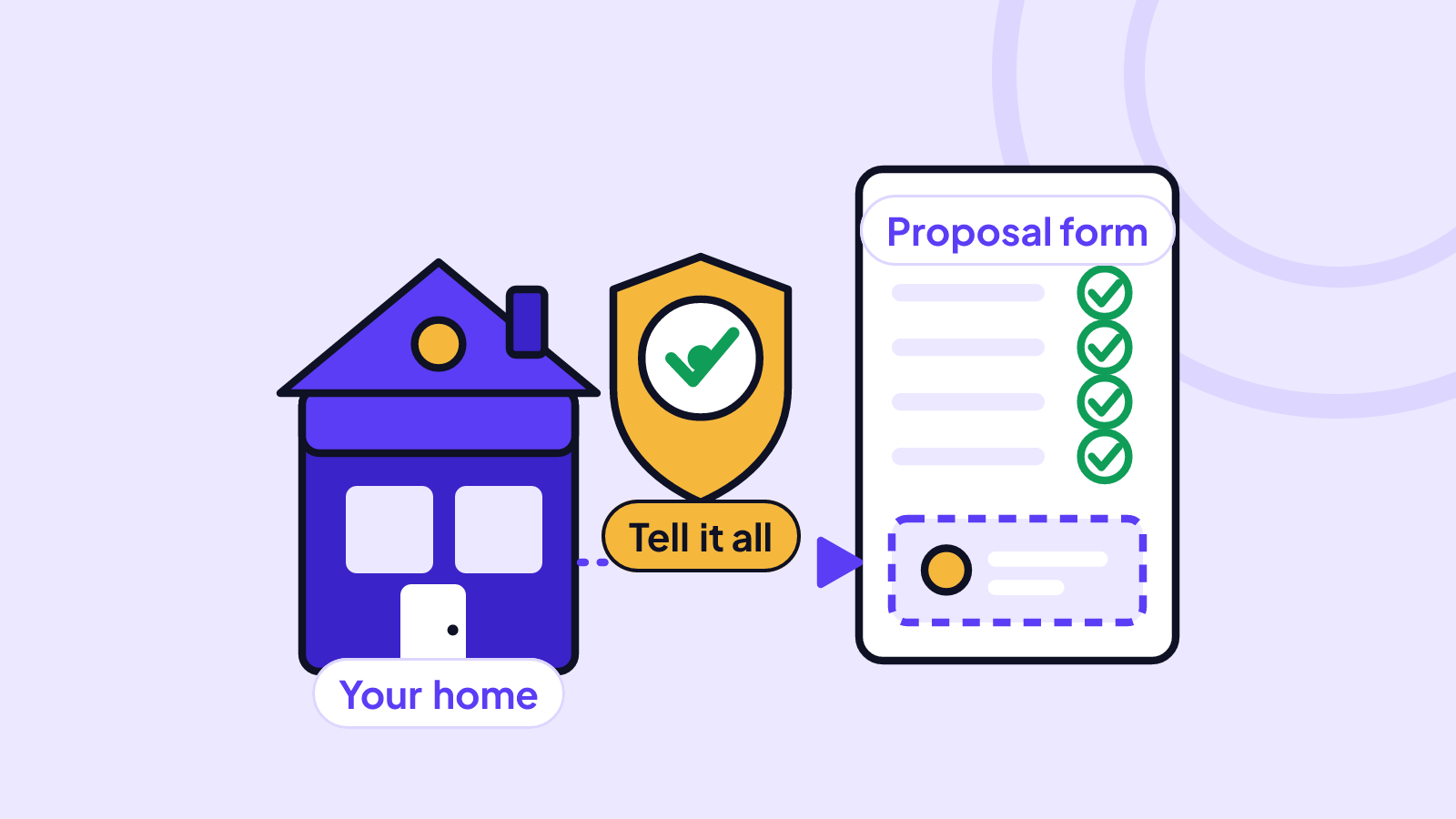
You must tell your insurer every material fact: any detail that could change whether they accept the risk or how much they charge. This duty is called disclosure, and it rests on utmost good faith, the principle that both sides deal honestly. Answer the proposal form fully and accurately, and mention anything relevant even if no question asks for it.
Key takeaways
- A material fact is anything a careful underwriter would want to know before deciding to cover you or setting the price.
- A proposal form is the set of questions you answer to apply for cover. Your answers become the basis of the policy.
- Leaving out or misstating a fact can lead to a reduced or refused claim, and in serious cases the policy can be voided.
- Disclosure is not a one-off. Tell your insurer when something important changes during the policy.
- Keeping accurate records of what you own and how it is used makes honest answers quick and easy.
What is disclosure in insurance?
Disclosure is your duty to give the insurer the information it needs to judge the risk. The underwriter is the licensed company that carries the risk, and it can only price fairly if it knows the real picture. You know things about your home, your car or your business that it cannot see from outside.
This is why insurance is built on utmost good faith: the idea that you tell the whole truth, including facts nobody asked about. Most contracts leave the buyer to look after themselves. Insurance asks more of you, because the insurer is relying on your word.
What counts as a material fact?
A material fact is a detail that would influence a careful underwriter's decision to accept the risk or to set the terms and price. You do not have to guess perfectly, but a good test is: would this make the risk look bigger or different? If yes, say it.
Common examples include:
- How the property or item is actually used (a home that is also a shop, a car used for hire, a laptop used outside the country).
- Past losses, such as a previous burglary, fire, flood or accident.
- Security in place and security that is missing, such as burglar-proofing, guards, alarms or a tracker.
- What is stored where, such as fuel, a generator or stock kept at home.
- Whether the place is often unoccupied.
- Earlier refusals or special conditions imposed by another insurer.
- The real value of what you want to cover.
What is a proposal form, and how do I answer it?
A proposal form is the application: a list of questions about you, the item or property, and its use and history. The underwriter treats your answers as the foundation of the policy, so they matter as much as the cover itself.
To answer well:
- Read each question properly and answer the question that is asked.
- Use real figures. Where you give a value, aim for replacement value, meaning what it would cost to buy the item new today, not what you could sell it for. Our guide to replacement value vs market value explains the difference.
- Add anything relevant that the form does not ask about.
- Do not guess. If you are unsure, check a receipt, a photo or a serial number, or ask.
- Keep a copy of what you submitted.
When you buy through VaultCova, Cova asks the risk questions the underwriter needs and uses what is already in your VaultLog, so you are not retyping details. Cova scores the risk and binds most cover instantly, which makes it even more important that your answers are true when you give them.
What does disclosure look like in real life?
A household example. Adaeze rents a flat in Lagos and wants to cover her TV, fridge and a petrol generator for about ₦2,500,000 in total. She runs a small home business selling cosmetics from the flat, with boxes of stock in the spare room, and a thief broke in last year. If she ticks "residential use only", skips the earlier burglary and leaves out the stock, she has hidden three material facts. After a fresh burglary, the underwriter could argue it would have priced the risk differently, or declined it, and might reduce or refuse the claim.
A business example. Emeka owns a provisions shop in a busy market. He insures stock at ₦6,000,000 against fire and theft. He does not mention that he stores jerrycans of diesel for his generator beside the shelves, or that the shop closes with only a padlock. After a market fire, the underwriter finds fuel stored where it had not been declared, and the claim is disputed. Had he told the underwriter, it could have set conditions, asked for a safer storage arrangement or priced the risk accordingly. Our guide to insuring a small shop covers what to arrange up front.
What happens if you leave something out?
The usual outcome depends on what was missed and whether it was deliberate. Typically the insurer may:
- Reduce the claim, for example to reflect the premium it should have charged.
- Refuse the claim, where the missing fact was important enough that it would not have covered the risk.
- Treat the policy as void in serious cases, such as a deliberate misstatement.
An honest slip is usually treated more leniently than a deliberate omission, but you should not count on it. Your own policy wording governs exactly what applies. For a wider look at why payouts shrink, see why insurance claims get reduced or refused.
The risk is not only in the form. Under-declaring value leaves you underinsured, and then the average clause shrinks your payout in proportion. Having no proof of ownership can also slow a valid claim.
How do you stay accurate while the policy runs?
Disclosure does not stop when you pay. Tell your insurer promptly when something material changes, for example:
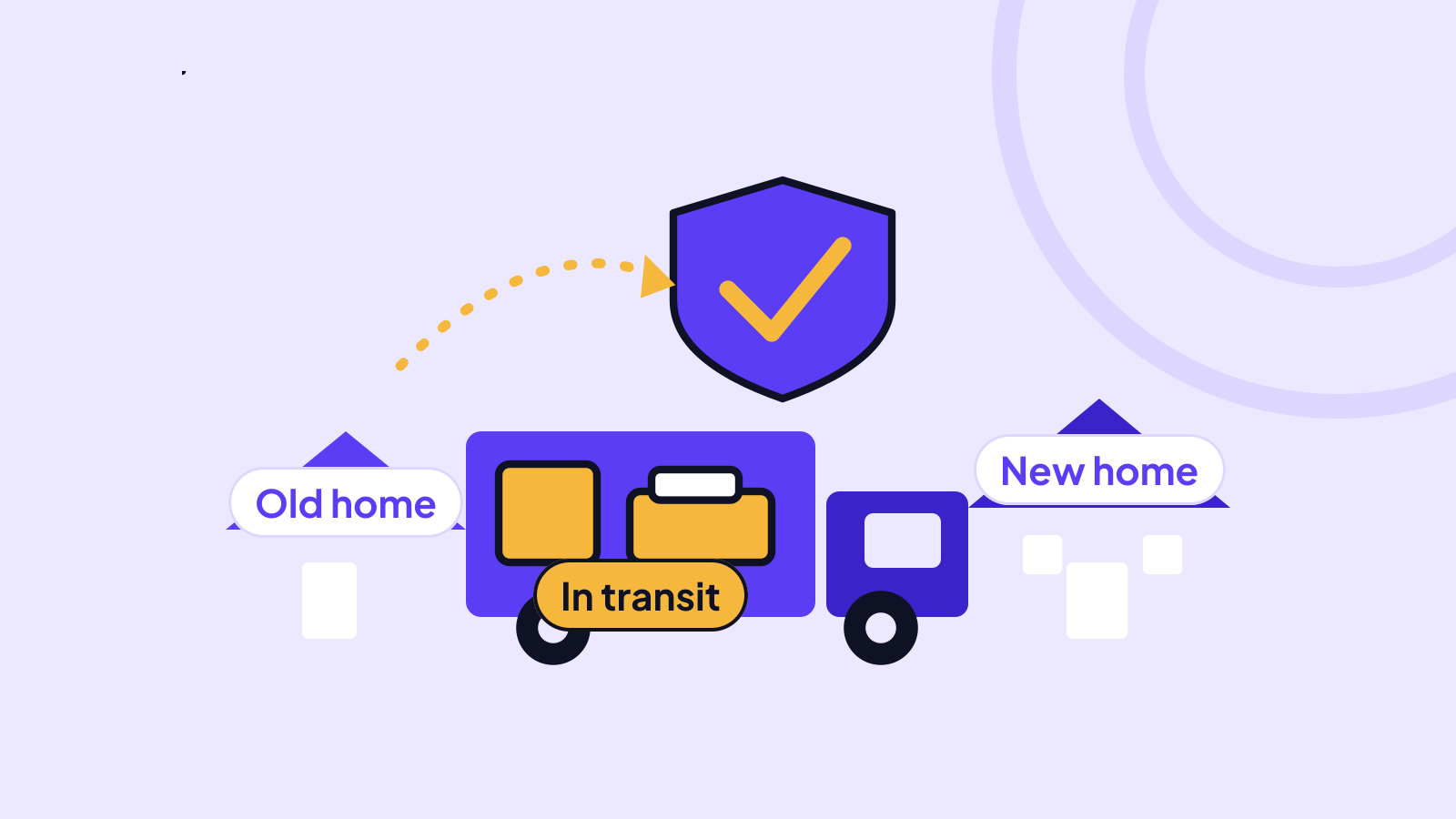
- You move house or change how a building is used.
- You start a business from home.
- You add expensive equipment or stock, or your values rise.
- You change security arrangements.
- A surveyor recommends a safety measure and you carry it out.
In Nigeria, a weaker naira and rising replacement costs can quietly make an old declared value too low, so reviewing values regularly is part of honest disclosure. VaultLog keeps each asset's value, photos, receipts and serial numbers in one place, and renewal and valuation reminders help stop details from going stale. If a surveyor sends a recommendation, it shows in Insight, and marking it done lets the underwriter see you acted. Our guide on how to prove ownership and value shows what good records look like.
Frequently asked questions
What if I forgot something when I filled in the form?
Tell your insurer as soon as you notice, and ask them to update your record. Correcting an honest mistake early is far better than having it discovered during a claim. The underwriter then decides whether the terms or price change.
Do I have to disclose things the form does not ask about?
Usually yes, if a careful underwriter would consider them important. Utmost good faith means volunteering relevant facts, not only answering questions. If you are unsure whether something matters, mention it.
Does a past claim or a past refusal need to be disclosed?
Typically yes. Earlier losses, claims and any refusal or special terms from another insurer are the kind of history an underwriter wants to see when deciding on the risk. Be accurate about dates and amounts.
Can I be penalised if I undervalue my property?
Yes, indirectly. If cover is below full value, the average clause means a loss is paid in proportion, so you carry part of it yourself. Use current replacement values and update them as prices change.
Start a free vault, log what you own, and talk to Cova when you are ready to insure it.